Latest editorial

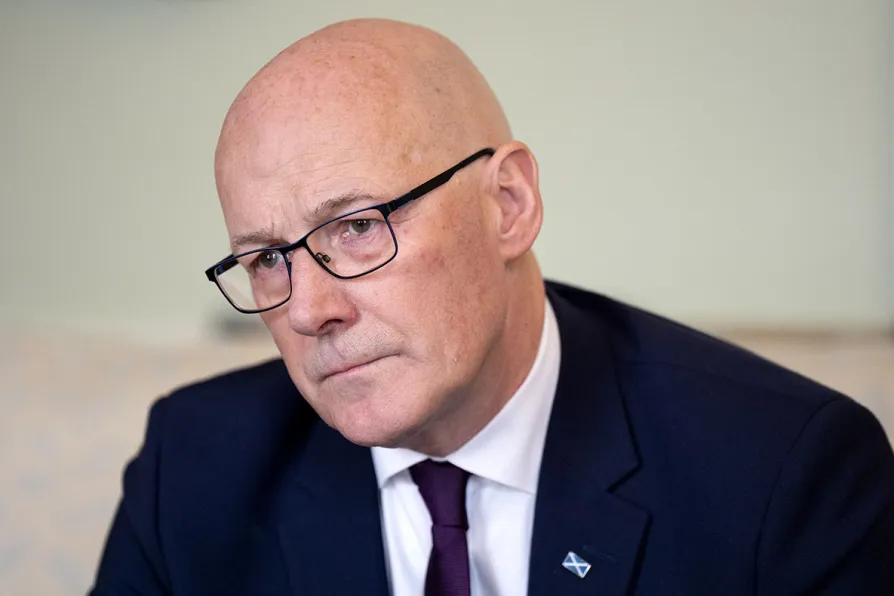 First Minister of Scotland John Swinney at Bute House, Charlotte Square, Edinburgh, August 28, 2026





SCOTLAND’S First Minister John Swinney has vowed to deliver the “most radical reshaping of public services since the establishment of the Scottish Parliament.”
Unveiling his programme for government at Holyrood today, the SNP leader promised to slash quangos and cut the number of territorial health boards from 14 to just two, as he embarks on three months of “intense engagement” with councils and other political parties on the future structure of local government.
Mr Swinney may face years of negotiation ahead of any structural change, but he announced the pilot of a £2 bus fare cap already under way in the Highlands would be extended to Glasgow and the west of Scotland by Monday, and a ramping up of culture expenditure by an extra £100 million by 2028/29 as well as a new “minimum income” for artists.
In a theme he returned to throughout his speech, Mr Swinney promised a Misogyny Bill and “personal leadership” in tackling violence against women and girls, telling MSPs: “We will end the postcode lottery of service provision to ensure every woman and girl, regardless of where she lives, has access to safe and sustainable services.”
Scottish Greens co-leader Ross Greer, who once described Mr Swinney as his “work dad,” was however unimpressed, branding the programme “not one that Nicola Sturgeon would have signed off on.”
Acting Scottish Labour leader Dame Jackie Baillie said: “We have heard many of these promises before.
“There are new NHS targets replacing those missed so far, familiar promises on new legislation and infrastructure projects, and lots of well-trod rhetoric — but delivery is what matters.”
STUC general secretary Roz Foyer welcomed the pledges on tackling violence against women and girls, but warned the First Minister: “Presenting the public with a misleading choice of cuts packaged as public service reform was disingenuous at best and a falsehood at worst from the Scottish government.
“Crushing down Scotland’s health boards into two may seem bold on paper but further centralising power when local communities are crying out for health and social care services tailored to their needs seems more reckless than revolutionary.
“Before the axe is swung on any public service, whether health, council or social care, Scottish government ministers would do well to engage meaningfully and purposefully with the workers who deliver on the ground.”