
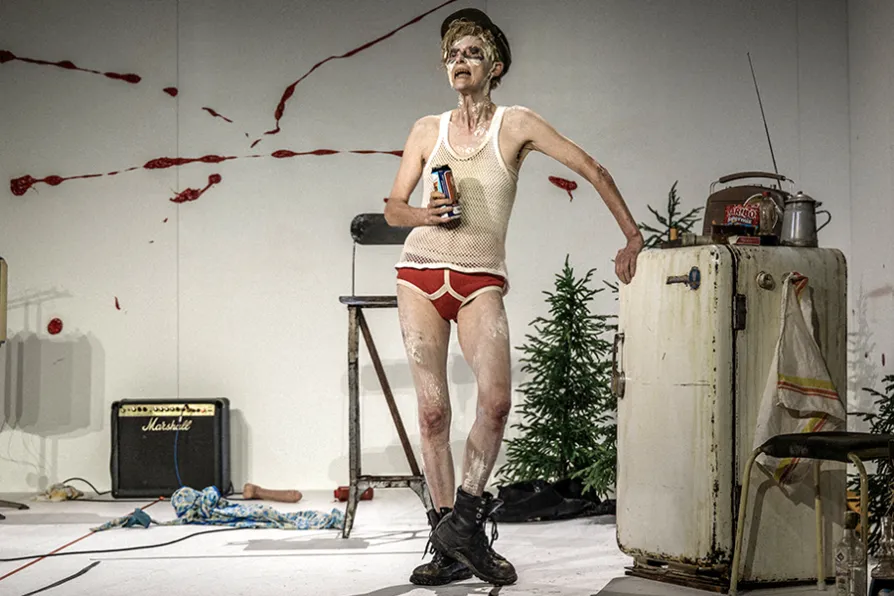
PETER MASON applauds the revival, 39 years later with the same team and cast, of Manfred Karge’s version of Brecht’s 100-year-old play, Mann Ist Mann

‘He was a true road dog, one of the last of his kind’
TONY BURKE speaks to JOEL McIVER, co-author of the biography of bluesman John Mayall
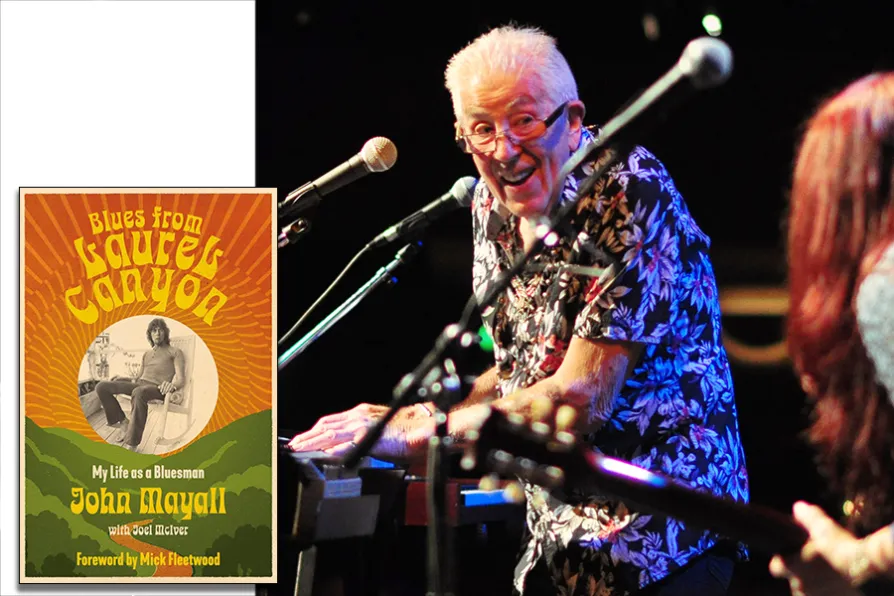
 John Mayall, June 14, 2019 [Pic: Joe Mabel/CC]
New releases from Biita Houdei, The Mary Wallopers, and The Tubs
New releases from Biita Houdei, The Mary Wallopers, and The Tubs
MAYER WAKEFIELD applauds a fearless attempt to bring to the stage the 1984 toxic gas disaster in Bhopal, India
ALEX HALL applauds the account of a dogged, traumatic and punishing campaign for justice that has lasted from 1998 to the present day
NICK WRIGHT laments the political bias of an epic attempt to tell the history of the liberation of France from the Nazis, that excludes both the decisive contribution of the Soviet Red Army, and of the French communist party itself





Blues From Laurel Canyon - My Life As A Bluesman
John Mayall, Joel McIver, Omnibus press, £12.99
ORIGINALLY published in hard back in 2019, John Mayall’s biography, Blues From Laurel Canyon — My Life As A Bluesman, is now republished in paperback. How did McIver come to be involved in the project?
“Mayall wrote the book sometime in the 1990s, and put down 100,000 words. His computer crashed but he had printed it out! I was essentially his editor, I read the pages in detail, polished it into shape, but noted that the best parts occurred before 1975 — so we decided to cut it there.
“We added a final chapter that covered 1975 to 2019 then secured a publishing deal with Omnibus. By the time I met John he was in his early 80s — and still very sharp with an excellent memory.”
Mayall was born in 1933 in Macclesfield. He grew up in Cheadle Hulme near Manchester. His father played guitar and owned a decent record collection with records by Leadbelly, Big Bill Broonzy and the boogie woogie piano greats, notably Albert Ammons.
Teaching himself piano, guitar and harmonica, following national service in Korea he studied at the Royal College of Art in Manchester and bought blues 78s in auctions in Vintage Jazz Mart, which had its drawbacks — the records sometimes arrived broken or cracked.
Working as a graphic designer and window dresser he played regular Manchester gigs with The Powerhouse Four but in 1962 he took fellow British bluesman Alexis Korner’s advice, and newly married, decided London was the place to be.
Forming The Bluesbreakers he played the Marquee and the Flamingo in Soho playing original material and blues by his heroes — Otis Rush, Freddie King, Muddy Waters, Elmore James and JB Lenoir.
Decca Records released a debut single in 1964; the Bluesbreakers went on the road with John Lee Hooker and he cut a debut album live at West Hampstead’s Klooks Kleeck club.
When Eric Clapton left the Yardbirds in 1965 he joined the Bluesbreakers — recording the breakthrough album Bluesbreakers — John Mayall With Eric Clapton, the so-called Beano Album that charted at number 6 in the UK.
The Bluesbreakers became a revolving door for British blues musicians: Peter Green replaced Clapton; Green was replaced by Mick Taylor; drummers included Jon Hiseman, Mick Fleetwood, and Keef Hartley; Dick Heckstall Smith was a star saxman and bass players included Jack Bruce and John McVie.
His Decca albums culminated with 1968’s Blues From Laurel Canyon, recorded after he spent time in the US, hanging out with Frank Zappa and Bob Hite of Canned Heat, not to mention west coast rock musicians and assorted hedonists.
Signed to Polydor, his 1970 album Turning Point was cut live at New York’s Filmore East with a drummer-less acoustic group. Despite fans’ doubts, it became one of his seminal works.
Residing in the US, his touring and recording bands included jazz trumpeter Blue Mitchell; R&B and jazz saxmen Red Holloway and Cliff Solomon; Sugarcane Harris (violin); Freddie Robinson (classy blues guitar) and ex Ike & Tina Turner drummer Soko Richardson.
But he suffered number of setbacks. His beloved Laurel Canyon home was one of 24 which burned down after kids let off fireworks nearby; his business manager Ric Gunnell disappeared with $250,000 of Mayall’s earnings, and he claimed that record companies failed to promote his new releases. He was also into heavy binge boozing.
“The stories are all in the book,” says McIver. “He jumped off a balcony into a swimming pool, landed on the concrete, shattering one of his knees and an ankle. He had a permanent limp after that.”
So why did he stay on the road for so long?
“My impression is that he genuinely loved it,” McIver says. “He was a true road dog, one of the last of his kind.”
Following the Covid pandemic, then in his late 80s, John was told by his doctor to retire from the road. He died in 2024 aged 90.
At 245 pages, fully illustrated, the paperback costs £12.99 and, as Joel McIver says: “There won’t be another John Mayall.”

Similar stories
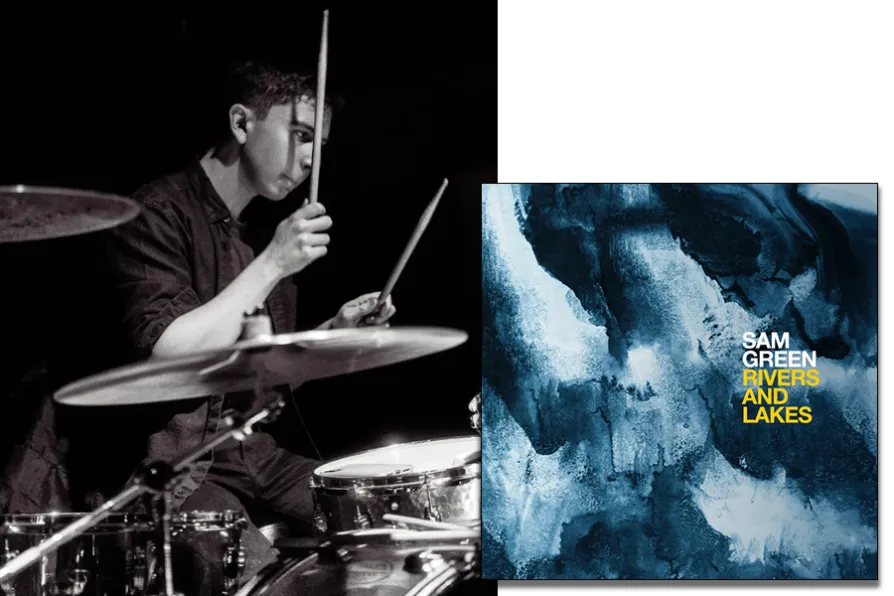
MARK TURNER relishes the warm, melancholy of jazz drummer-turned composer Sam Green
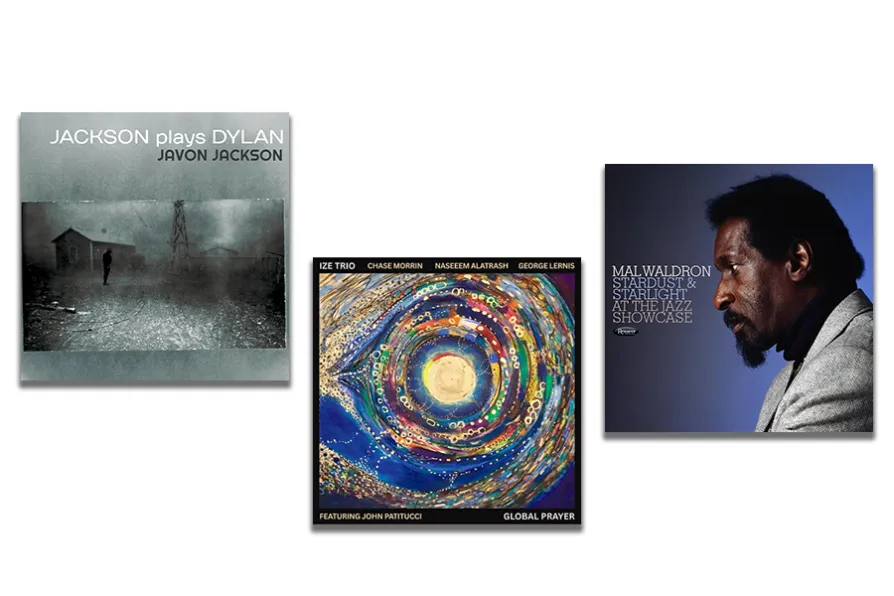
New releases from Javon Jackson, IZE Trio, and Mal Waldron Trio
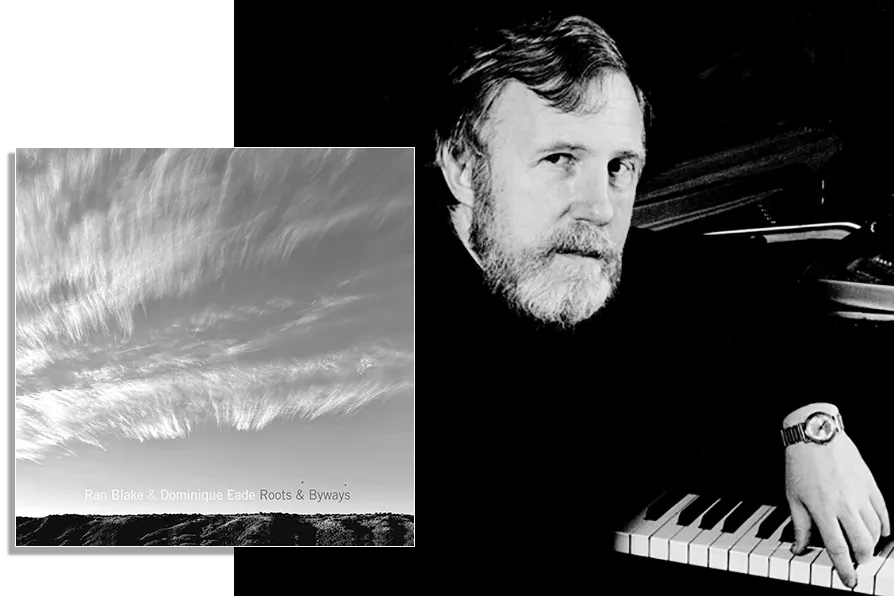
Chris Searle speaks to US pianist RAN BLAKE

As part of the 2025 London Jazz Festival Rich Mix offered intriguing sessions titled 'Persian Jazz,' CHRIS SEARLE was there