
PETER MASON applauds the revival, 39 years later with the same team and cast, of Manfred Karge’s version of Brecht’s 100-year-old play, Mann Ist Mann

In praise of Dolly Parton
STEVE JOHNSON savours a singing legend who stayed true to her working-class origins
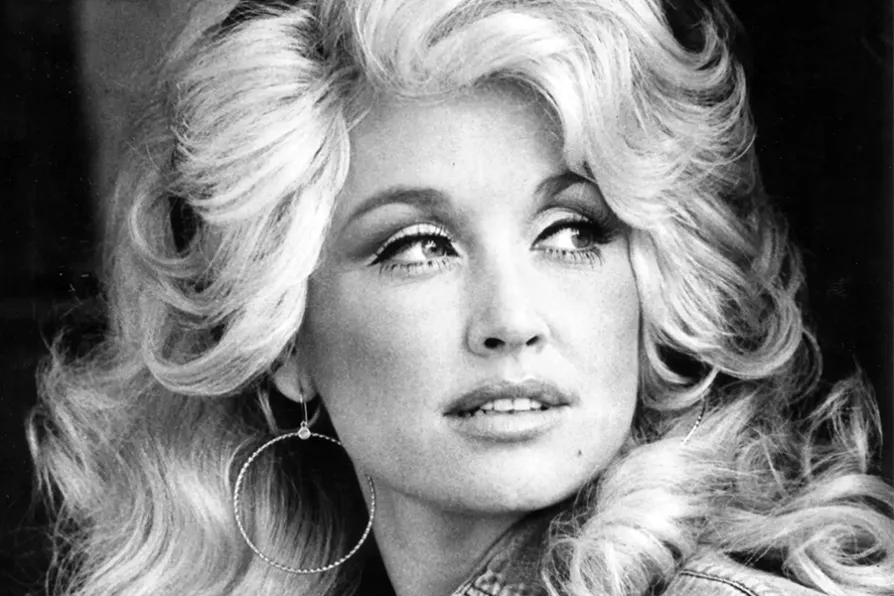
 Dolly Parton, 1977 [Pic: RCA Records/CC]

MAYER WAKEFIELD applauds a fearless attempt to bring to the stage the 1984 toxic gas disaster in Bhopal, India
ALEX HALL applauds the account of a dogged, traumatic and punishing campaign for justice that has lasted from 1998 to the present day
NICK WRIGHT laments the political bias of an epic attempt to tell the history of the liberation of France from the Nazis, that excludes both the decisive contribution of the Soviet Red Army, and of the French communist party itself
JOE GILL traces the ideology and method of contemporary imperialism back to the greed, hubris and violence of the late 15th century Portuguese





THE death of country singer Dolly Parton on August 25 has caused sadness to people the world over who were inspired by her music, and drawn plaudits from a whole range of sources about her philanthropy. Yet behind the official tributes is the story of a woman whose life and career demonstrated more depth and substance than her public image often implied.
Born in poverty in Tennessee, the fourth child in a family of 12, her early experiences were encapsulated in one of her most famous songs, the heartrending Coat of Many Colours. Experience of singing in church led to appearing on local television and, after leaving high school in 1964, she moved to Nashville where her music career started to take off following a partnership with country star Porter Wagoner.
My own awareness of Dolly Parton’s music started with her song Jolene, a hit in Britain in 1973 and, while liking the song, I still had a tendency to be dismissive of country music and its artists as a whole.
However, this attitude shifted in 1980 when she starred in the film 9 to 5 with Jane Fonda and Lily Tomlin, two actors renowned for their support for progressive causes.
There was in fact already a 9 to 5 organisation of women workers fighting for pay equality and rights in the workplace and the theme song which she wrote for the film was explicit in its condemnation of the exploitation of women workers, leading to Pete Seeger including it in his book of songs of the American Labour Movement, Carry It On.
The subsequent album 9 to 5 and Odd Jobs also included songs by Woody Guthrie and Merle Travis which together with her own composition Working Girl showed her sympathies were with the working class.
Songs like Dumb Blonde and Just Because I am a Woman challenged the way women are often judged by their appearance, something of which she had direct experience. Among her many other musical achievements we can include the Trio albums with Emmylou Harris and Linda Ronstadt as well as her three outstanding bluegrass albums The Grass is Blue, Little Sparrow and Halos and Horns.
Dolly Parton always avoided making overt political statements and the fact she continued to have a conservative country fan base sometimes led to positions we may feel were contradictory.
Following September 11 2001 she released an album For God and Country of “patriotic songs.” Not long after this, however, she released Those Were the Days consisting of ’60s protest songs like Blowing in the Wind and Where Have All the Flowers Gone, and collaborating with artists like Judy Collins who had been identified with the anti-Vietnam war movement.
She was known for her philanthropy and her Imagination Library, formed in 1995 to improve child literacy, expanded from her local county to become a worldwide project. She was a long-standing advocate for LGBT rights, rejecting attempts to claim this was incompatible with her Christian beliefs, and more recently expressed support for Black Lives Matter.
Her popularity throughout the US was such that Donald Trump has ordered flags to be flown at half-mast. Yet her song World on Fire recorded in 2023 is a far cry from the Maga vision of America and the world.
While the right may try to use her image as a US artist, while ignoring the messages in her songs, we can honour and celebrate a singer who spoke out against prejudice and stayed true to her working-class origins.

Similar stories

New releases from Sam Carter, Spell Songs and Les Thomas
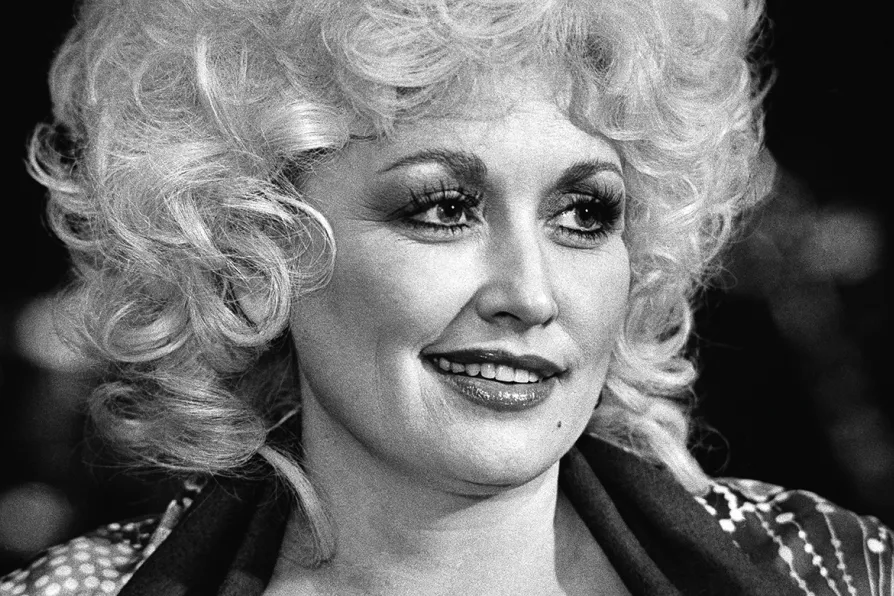
The late country singer’s Imagination Library has put hundreds of millions of books into children’s hands. We should build on that legacy by defending the libraries at the heart of our communities, says BRENDA AITCHISON

New releases from Old Spot, Chris Marksberry, and Clementine Lovell

STEVE JOHNSON speaks to London singer/songwriter MADDY CARTY