


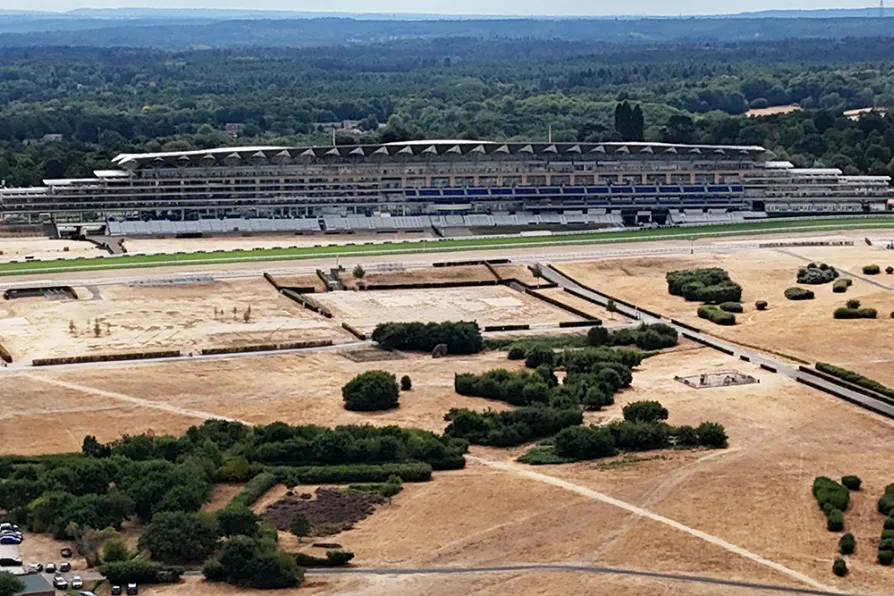
 Aerial view of Ascot Racecourse, Ascot, Berkshire, August 16, 2026






BOSSES of the British Horseracing Authority (BHA) are contingency planning with trainers and racecourses as fears grow about the impact of the summer drought on the autumn jumps fixture list.
Director of racing Richard Wayman said talks were ongoing between racing professionals about whether summer jumping courses could extend their season as traditional winter tracks in hard-hit regions struggle to provide safe ground.
“We are obviously concerned about the impact of the lack of rain over the last few months and I’d say particularly from the perspective of jump racing, which is obviously due to move up a gear in the next few weeks,” said Wayman.
“These are pretty exceptional conditions that we are looking at and we are therefore in the process of working with both trainers and racecourses to understand what we might be able to do differently in the next few weeks.
“We have had some racecourses that have been watering through the summer and racing through the summer so we may be looking at extending their fixtures a bit later this year.
“There may be other racecourses who are unable to start when they would like to start. The answer is it’s a challenging situation but we are going to work in a flexible and agile way to address it the best that can over the coming weeks.”
Several areas in the country have experienced drought conditions but BHA chief executive Brant Dunshea warned it is not an issue Britain faces alone, with Europe struggling with brutally hot conditions this summer.
Dunshea also confirmed he will seek to discuss the role of pacemakers in the sport at the next International Federation of Horseracing Authorities get together, with the BHA boss not ruling out seeking international harmonisation of regulations following several controversial incidents this summer.
The role of team tactics, pacemakers and horses running on their merits has been questioned both at Royal Ascot and York last week.
“Pacemakers is a regular topic that comes up and I was actually chatting at York last week with a number of leading trainers about the issue,” said Dunshea. “We’re always open to hearing views on topical issues like this where there could be an opportunity to improve the regulation of the sport.
“Pacemakers and the way they operate here in this part of the world are not something that is necessarily acceptable in other parts of the world. There are other approaches to it.”

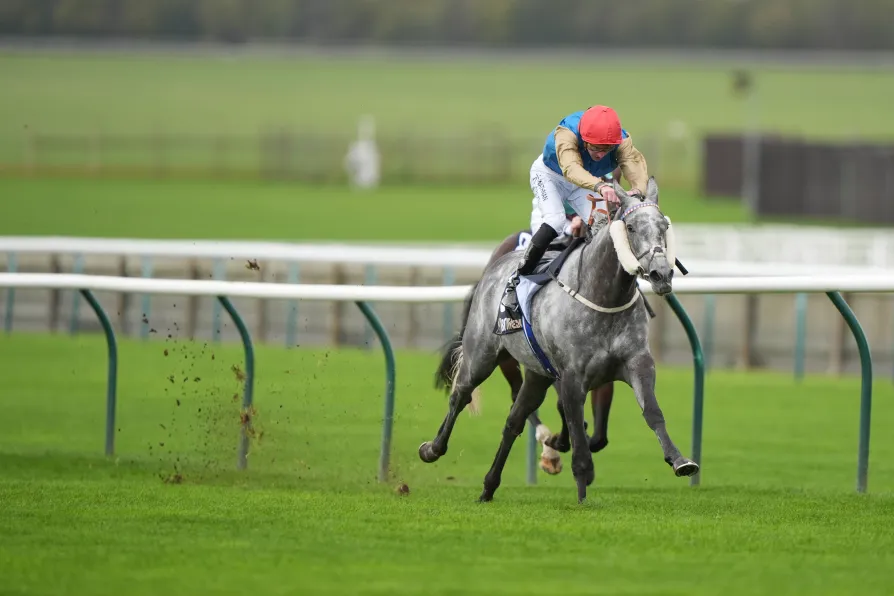
Including races at Haydock Park, Newmarket and Ascot
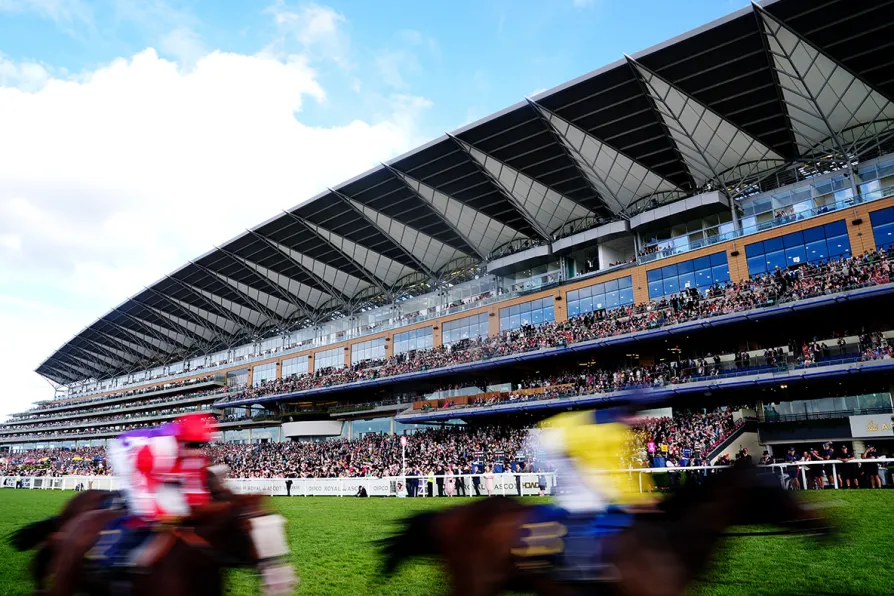
Including races at Ascot and York