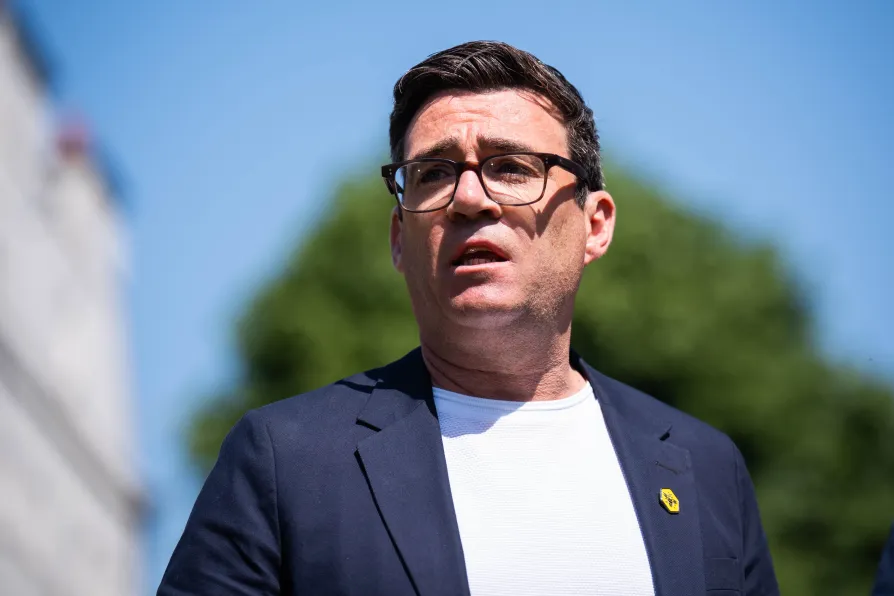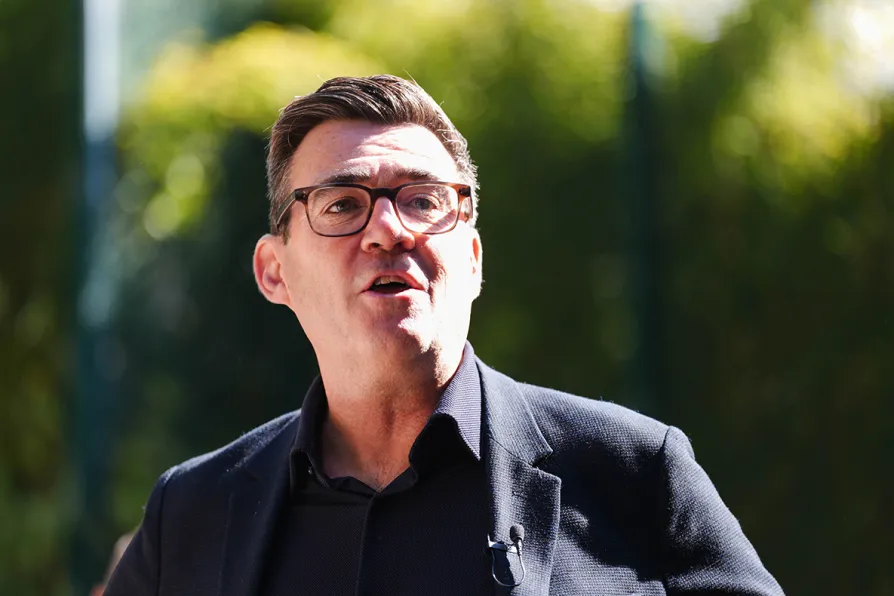
 Prime Minister Andy Burnham speaking during a visit to a family centre in Sheffield, South Yorkshire, July 31, 2026





AT A point when trust in politicians is at an all-time low, Andy Burnham’s “cost-of-living” tour is an astute move.
The sense that politicians promise much but deliver little is woven into the understanding of the British people because it is true. So Burnham is raising expectations.
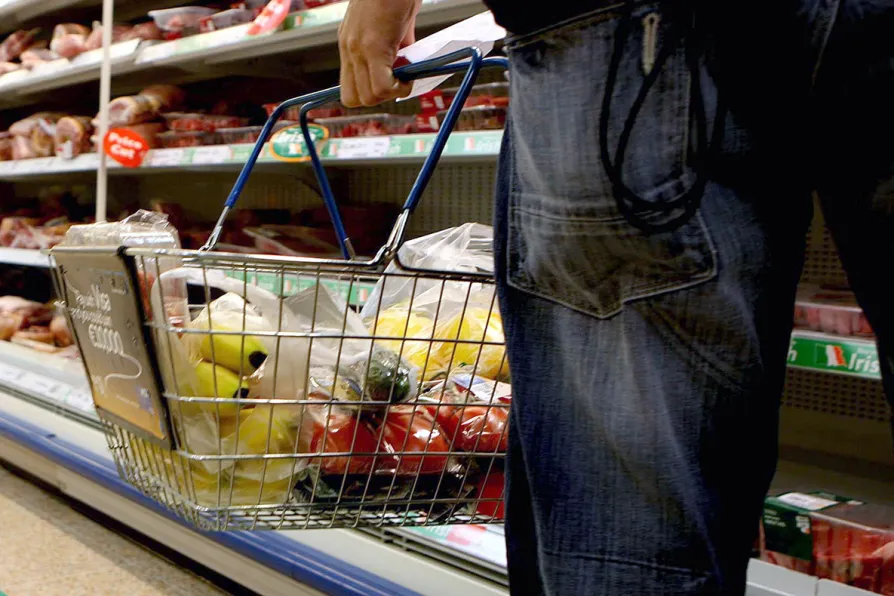
The Joseph Rowntree Foundation reports that over the last six months 7.4 million low-income families can no longer afford essential items.
This is the highest number since it began running its cost-of-living tracker survey in 2021.
The foundation reports that “…there has also been an increase in the number of families being forced to cut back on meals or go hungry, an increase in the number of families in arrears on their household bills and credit repayments, and an increase in the number of families borrowing money from high-cost lenders such as loan sharks and payday lenders to buy essentials.”
Dig down into their figures and it is clear that the cost-of-living crisis is becoming more generalised.
The fastest rise in the number of households unable to afford essentials is among people who don’t fall into the usual categories of people in poverty — people on universal credit, young people heading households, lone parents, families with three or more children, households headed by a black or mixed ethnicity background, or by non-UK citizens.
The number of households going without essentials has increased fastest over the last two years for those not on means-tested benefits, those who own their property outright without a mortgage, families without any disabilities or health conditions, childless households, and households that are headed up by someone over the age of 65.
Burnham has let it be known that he thinks Westminster has got used to telling people that everyday hassles, “like hidden pricing and consumers being ripped off, must be accepted as part of life and he doesn’t think this is right.”
Doing something about these inevitable aspects of living in a capitalist market economy will be a good thing. But Burnham needs to dig deeper for solutions.
So long as prices are subject to the market — ie the tendency of the capitalist owners of the means of production, distribution and exchange to increase their profit margins — then prices will rise. Price control entails measures that limit profits and we know how much that upsets these people.
Of course, not every restraint on the market economy upsets the rich. Measures, mostly legal, to limit the ability of workers to extract the best price for their labour are very popular in these circles. And this includes the Parliamentary Labour Party which has failed to repeal Thatcher’s anti-union and anti-worker laws.
So there we have two measures Burnham can bring before Parliament — impose price controls on essentials and boost wages by restoring workers’ rights and trade union freedoms.
For working people the social wage is a vital support that should not be subject to inflationary pressures on the family budget. Public housing at affordable rents, free healthcare when it is needed, comprehensive education, affordable public transport — these are the building blocks of an inclusive society and when private alternatives to these things are made impossible even for the rich standards inevitably rise for everyone.
For example, Finland does not have private schools so everyone gets a decent education and Finland scores highest in education standards globally.
And a good public transport system is when even the rich use it.
One big problem is John Healey, the Chancellor of the Exchequer, who is insisting on cuts in ministerial budgets to finance massive arms spending and an unwinnable war in Ukraine.

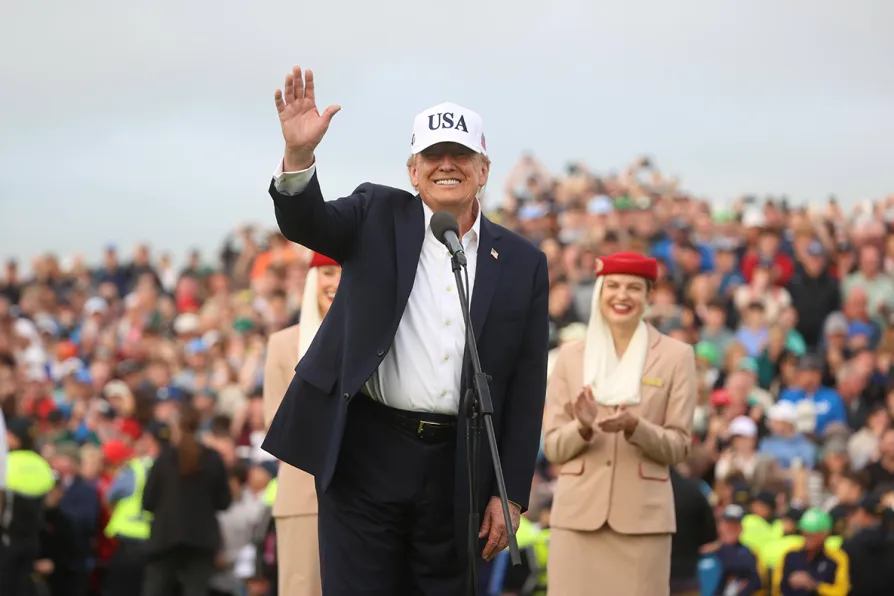
Prime Minister should ‘end support for Trump’s war and climate vandalism,’ Stop Trump Coalition says
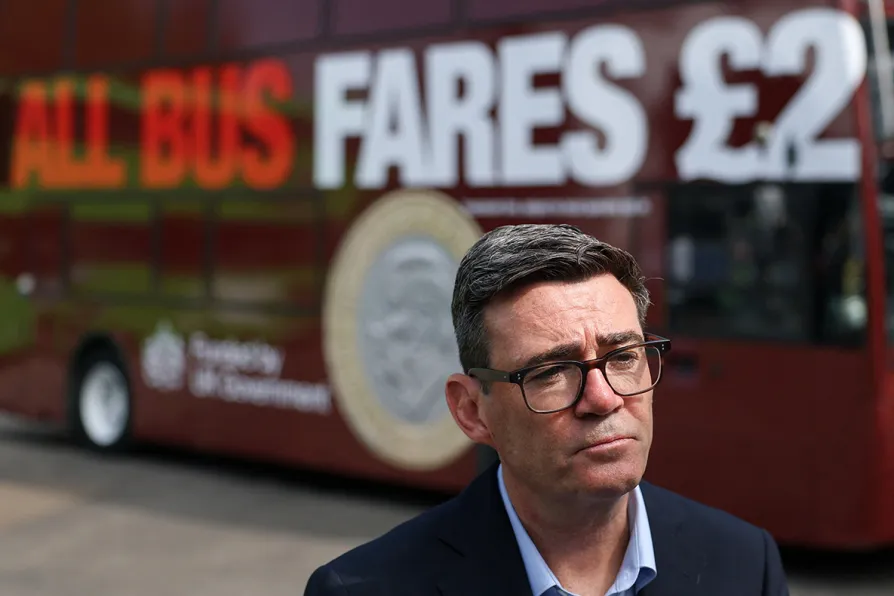
Mr Burnham's £2 cap on bus fares welcomed by trade unions