





OIL and gas giant BP announced plans to sell its North Sea operations today, ending six decades of production.
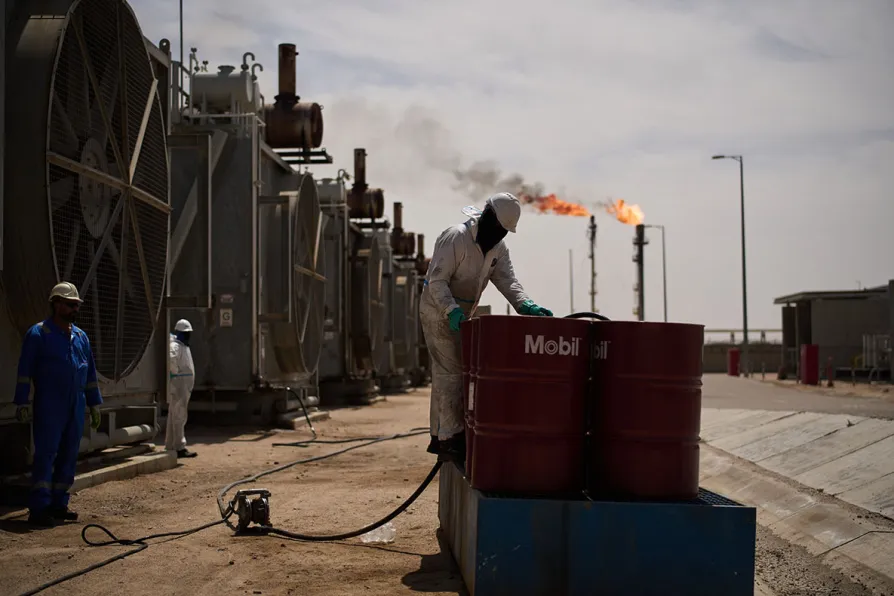
The company currently employs 1,100 workers in the field, running five production hubs pumping out 117,000 barrels of oil equivalent per day last year.
BP chief executive Meg O’Neill announced the sale, saying it would be “better positioned as part of another company.”
Energy Secretary Miatta Fahnbulleh said: “I’m in close contact with BP and have made clear that my priority is ensuring the workers and local community are protected during this sale process.”
Unite general secretary Sharon Graham said her union “will not allow these workers to be cast aside as afterthought in any sale.”
“In my conversations with the Prime Minister, I have been very clear that whilst we of course support net zero, we cannot have a jobless transition or offshore our carbon responsibilities,” she said.
“We cannot let go of one rope until we have hold of another.”
While Tory shadow Scottish secretary Andrew Bowie blamed the decision on “Labour’s disastrous net-zero dogma,” SNP First Minister John Swinney repeated his calls for Westminster’s windfall tax on multibillion-pound North Sea profits to be axed.
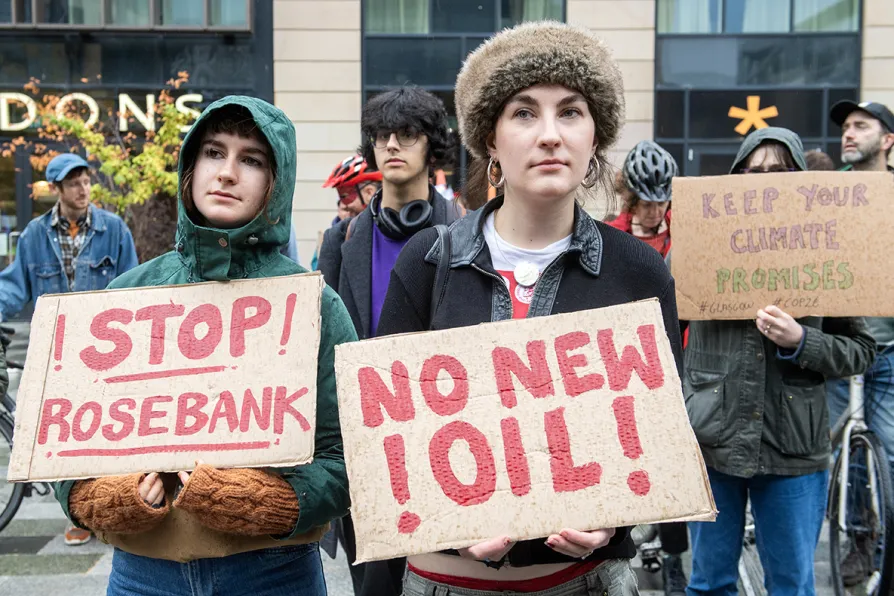
Environmental charity Uplift executive director Tessa Khan, however, hit back: “It’s hard to take seriously the criticisms of parties that oversaw a decade of decline in the North Sea.
“In all that time, the efforts of both Westminster and Holyrood to transition workers have been wholly inadequate.”
End Fuel Poverty Coalition co-ordinator Simon Francis added: “The lesson from BP’s departure is not to hand any more tax breaks to an industry that continues to bank billions in profits every quarter, but to use Windfall Tax receipts to help households and clear the record energy debt households built up during the crisis.”
TSSA union general secretary Maryam Eslamdoust said that if “astronomical” oil prices “still cannot deliver sufficient profit margins for BP, then it is clear that our energy security cannot be left to the whims of multinational corporations.”
“It is time to bring North Sea oil and gas into public ownership and manage these vital resources strategically in the public interest, protecting skilled jobs and giving workers and families stable, affordable energy prices that are less exposed to profiteering and reckless wars in the Middle East.”