


PM commits to blowing millions on nukes
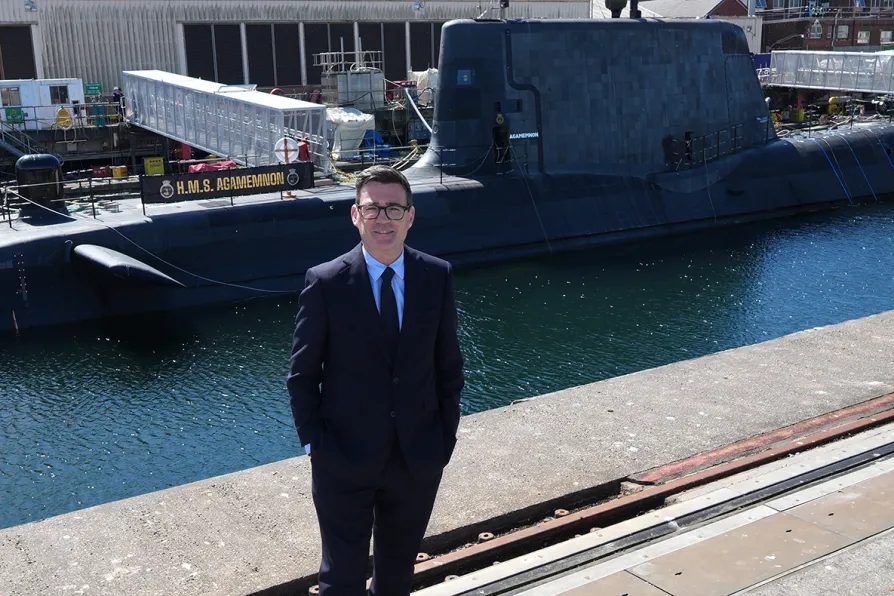
 Prime Minister Andy Burnham in front of HMS Agamemnon during a visit to Submarine Academy for Skills and Knowledge (SASK) at BAE Systems, in Barrow in Furness, Cumbria, July 30, 2026
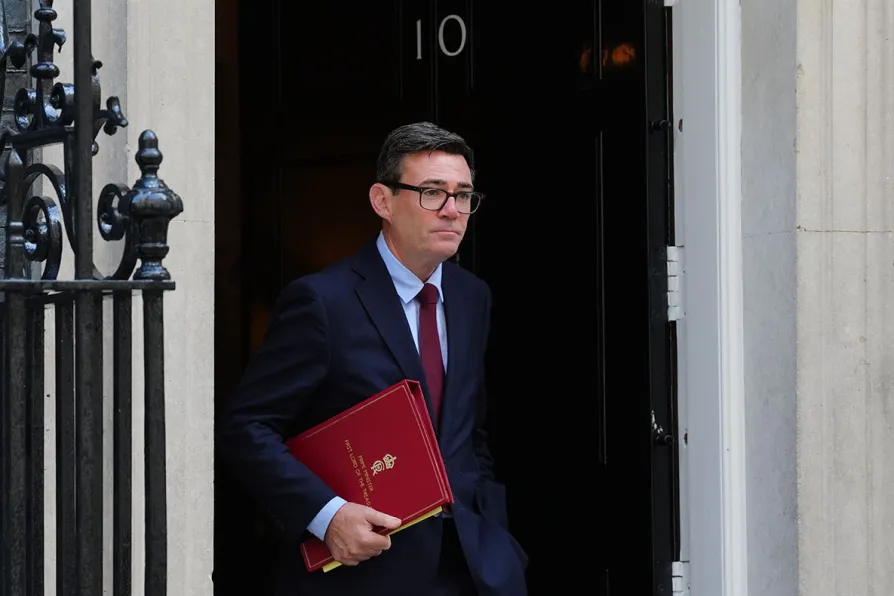





ANDY BURNHAM was told today to invest in people, not war, as he committed his government to blowing billions of pounds on nuclear weapons.
The new Prime Minister visited Barrow-in-Furness to pledge his loyalty to Britain’s Trident nuclear weapons system, which uses submarines built in the port.
It is increasingly clear that Mr Burnham, like Sir Keir Starmer before him, is placing militarism at the heart of his “reindustrialisation” strategy.
“Keeping this country safe is the first responsibility of any government — but security is not only about what we build; it is about who builds it, and who benefits from it,” Mr Burnham said, announcing arms contracts which he claimed would support 18,000 extra jobs and thousands of apprenticeships.
“To every young person across the country, I want you to know that there is a path for you into a reindustrialised Britain, and it starts with the apprenticeships we are funding through this investment today,” the Prime Minister, a long-term supporter of Trident, added.
But campaigners warned that Mr Burnham was heading down a dangerous dead end.
Campaign for Nuclear Disarmament general secretary Sophie Bolt said: “Spending billions of pounds on nuclear weapons is not keeping us safe.
“The government is making Britain less safe because of its aggressive, expansionist nuclear and foreign policy.
“British bases like RAF Fairford are now a target because the government has continued to allow Trump to use this base to illegally bomb Iran.
“On the economic front, the argument that Burnham is making — that more money for nuclear and military spending will revitalise the economy — is totally false.
“The Defence Investment Plan — precisely because it is based on cuts to far more jobs-rich areas like health, transport and education — will result in a net loss of jobs.
“The British government needs to focus on diplomacy and dialogue and scrap its nuclear weapons and cut back its military spending.”
Your Party parliamentary leader Jeremy Corbyn said: “Next week is the anniversary of Hiroshima. Today, the Prime Minister has announced more investment in weapons of mass destruction. The UK spends £12,000 every minute on nuclear weapons.
“Instead of investing in weapons of mass destruction, why can’t we invest in public services that bring health and security to us all? Political leaders must surely know that in the event of nuclear war, nobody wins.”
And a spokesperson for the Stop the War Coalition commented: “This is British taxpayers’ money going to an arms manufacturer enjoying record profits for its shareholders, and to mostly invest in production abroad.
“The labour movement must not fall for the argument that this is the way forward for manufacturing. In a volatile international climate today’s announcement makes war more likely.”
Left campaign group Momentum said: “Increasing military spending will not help ordinary people, it will boost the profits of arms companies and make us less secure in an increasingly volatile world.
“The government must invest in communities, not an arms race.”
BAE Systems is building new Dreadnought submarines in Barrow to replace those presently carrying Trident nuclear missiles. The overall programme is costing the country at least £31 billion.
However, the new government seems as much at sixes and sevens as the old one over the pace of Britain’s militarisation.
New Defence Secretary Wes Streeting has refused to commit to devoting 3 per cent of GDP to arms by 2030, even though this was the issue that prompted his predecessor John Healey to quit Sir Keir’s government.
Mr Healey is now, of course, Chancellor, with overall responsibility for state spending and assumed to be pressing for the full 3 per cent by the end of the decade.
Mr Burnham has merely committed more broadly to reaching the Trump-ordered Nato target of 3.5 per cent by 2035, an objective which allows for more short-term flexibility.
Mr Streeting said today: “Let’s say, for argument’s sake, I just said ‘yes, we will by 2030 meet 3 per cent.’
“The inevitable next question is how will you fund it? I’m sorry, but that path leads to uncertainty, a loss of market confidence, a rise in borrowing costs, so we end up paying a heavy price if you don’t have that fiscal discipline of spelling out at the same time, not just what you will spend, but also how you would pay for it.”

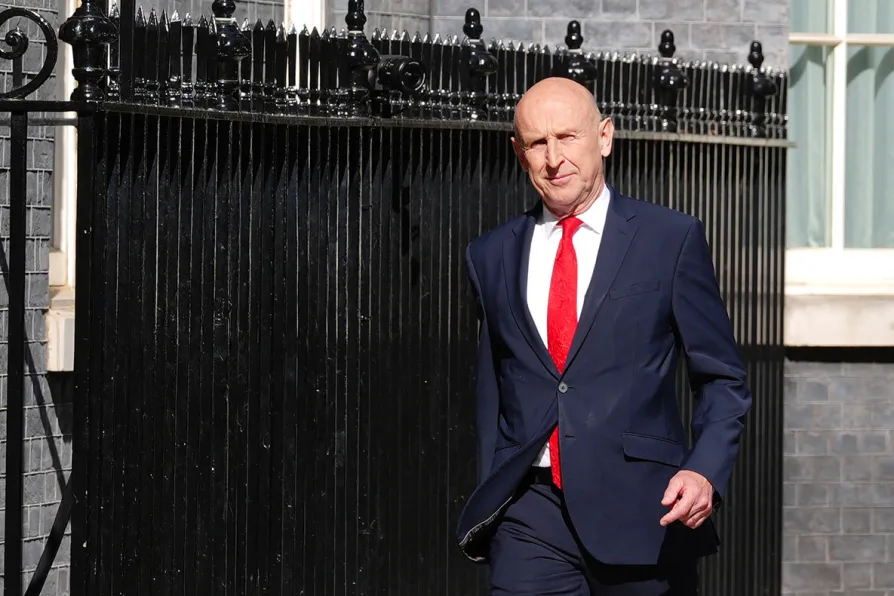

SOPHIE BOLT argues that spending more on military will harm rather than benefit Britain by diverting vital resources away from essential public services

We need a government that invests in saving lives not destroying them, argues SOPHIE BOLT
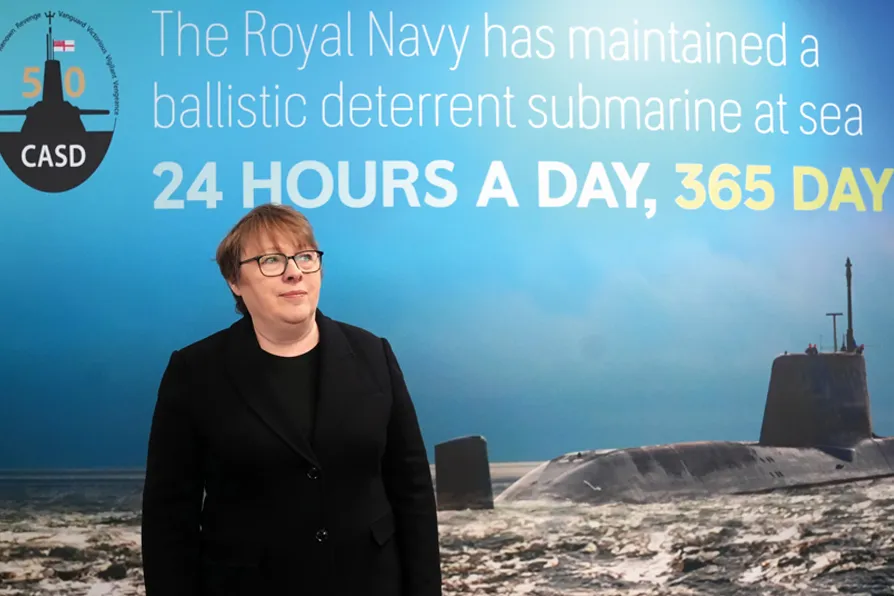
Expanding Britain’s nuclear capability increases the risk of nuclear confrontation. It does not keep us safe – it makes us a target, argues CAROL TURNER