Washington’s inability to subjugate Iran is an example of how it is trying to preserve a regional order that no longer exists, argues RAMZY BAROUD


 Latest editorial

Labour cannot afford another Starmer-sized blind spot on Palestine
Andy Burnham’s leadership will be judged on whether he charts a genuinely different course, argues BECK ROBERTSON
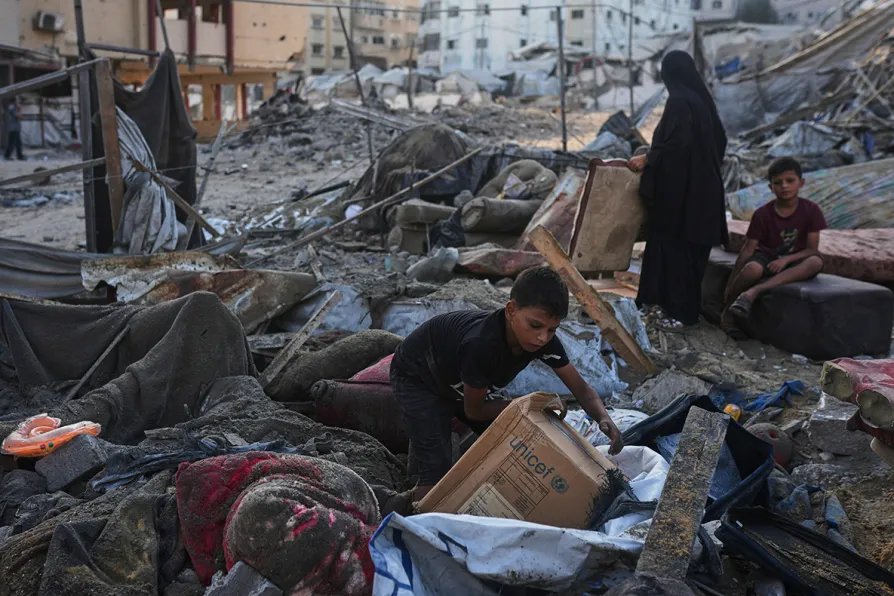 Palestinians salvage their belongings from the rubble of a building and tents destroyed in an Israeli airstrike in Gaza City, July 30, 2026
US financial instability is exposing the limits of a dollar-dominated global economy — and giving the Global South a historic chance to build an alternative, says MURAD QURESHI
DOUG NICHOLLS says the parasitic finance markets must be challenged or another British government could be toppled
The late country singer’s Imagination Library has put hundreds of millions of books into children’s hands. We should build on that legacy by defending the libraries at the heart of our communities, says BRENDA AITCHISON
Deprivation is a fundamental factor in criminal behaviour that must be addressed but, KENNY MacASKILL argues, there needs to a major rethink in sentencing to tackle overcrowding
MML director MEIRIAN JUMP outlines the recently refreshed library’s busy autumn schedule that ranges from book sales, archival exploration, community work with online education and the ever popular site tours
TONY BURKE surveys the shifting political landscape and the challenges Labour needs to address if it is to prevail in the 2028 federal elections





FOR those inside and outside the labour movement, Keir Starmer’s febrile response to Israel’s assault on Gaza symbolised a substantial moral and political failure.
Starmer’s refusal to break decisively with the genocidal policy of the Netanyahu government, even as an appalling humanitarian catastrophe deepened, alienated many.
As Labour leader, he lost the support of swathes of voters, from Labour members to faith communities and trade unionists, as well as anyone concerned about the violence waged on Palestinians.
If Andy Burnham is to draw a robust line under Starmer’s legacy of failure, he cannot simply offer a change of tone — instead he must offer a complete change of direction.
When it comes to voting, Palestine is no longer an issue confined solely to the activist left; it’s become a defining political and moral test for Labour.
The question facing the party is straightforward — but it is one Labour must answer. Will Burnham’s government reflect the rising demand for accountability and the consistent and just application of international law? Or will it continue defending an increasingly indefensible status quo while watching more of its supporters and potential voters drift towards parties prepared to take a more principled stand?
The electoral warning signs are already there. Labour has already paid a political price in constituencies with large Muslim populations, while younger and progressive voters are turning to the Greens or independent candidates who’ve made Gaza a central issue.
Foreign policy rarely determines elections but Gaza has proved an exception as it’s become inseparable from broader questions.
More and more people are becoming concerned about issues of political integrity and moral leadership, as well as whether British government will apply the same standards to its traditional allies as it does to others.
The political landscape has shifted dramatically. Polling suggests around half the British public now believe Israel is committing genocide in Gaza, while support has grown for sanctions and a total suspension of British arms exports that help fuel the violence.
Among Labour members, dissatisfaction with the party’s approach has been particularly pronounced, with substantial majorities backing much tougher action against Israel.
This shift reflects a reality people have witnessed over almost three years of destruction, despite the often lacklustre British mainstream media coverage.
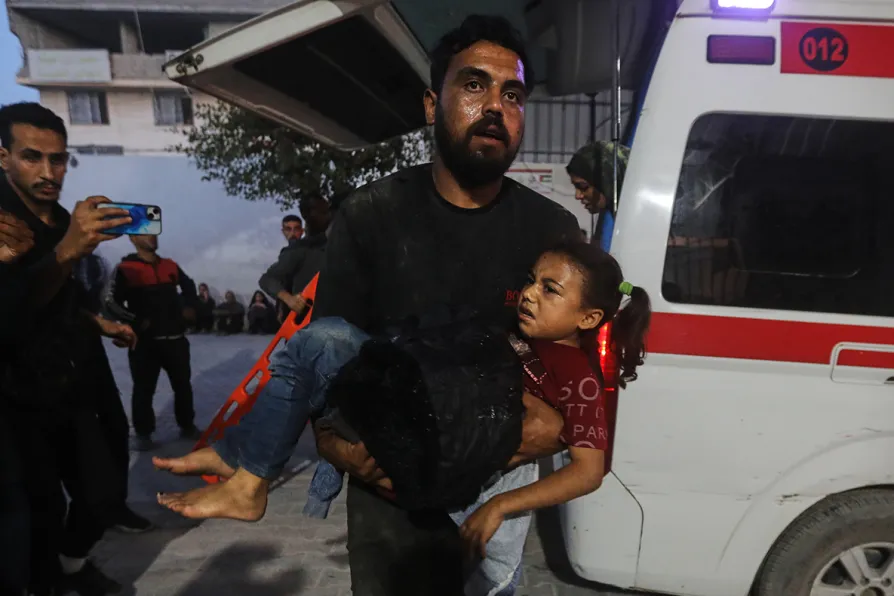
Images of flattened neighbourhoods, bombed-out hospitals, starving children and desperate families have transformed public opinion in a way few politicians anticipated.
Millions of people are now asking why Britain pays lip service to international law while appearing reluctant to enforce it or challenge the state that is violating it.
These concerns are not confined to campaign groups, human rights giants are also speaking out. In 2024, Amnesty International stated that Israel was committing genocide in Gaza and since then, the organisation has maintained its assessment in subsequent legal briefings stating that Israel is continuing to inflict conditions of life calculated to bring about the physical destruction of Palestinians in Gaza, through the imposition of severe restrictions on food, medical supplies, electricity and humanitarian aid.
Human Rights Watch has documented what it calls war crimes, crimes against humanity, acts of genocide and ethnic cleansing, concluding that Israeli authorities use starvation as a weapon of war and deliberately deprive Palestinians of the essentials needed for survival.
The United Nations has issued equally grave warnings. Francesca Albanese, the UN special rapporteur on the occupied Palestinian territories, has stated that systematic torture, mass displacement, starvation and the destruction of civilian life form part of what she characterises as a genocidal campaign against Palestinians.
The UN has repeatedly called on states around the globe to meet their obligations under international law, in order to prevent further atrocities and ensure accountability.
Some might debate the precise legal terminology until international courts reach final judgments — but the breadth of concern expressed by respected human rights organisations, UN experts and international legal bodies alike is undeniably extraordinary.
These are not fringe campaigners but highly regarded institutions whose findings regularly inform governments around the world. Their conclusions are stark and demand action, rather than carefully worded expressions of concern.
That action must include an immediate and permanent ceasefire, alongside full humanitarian access and recognition of the state of Palestine.
Additionally, a suspension of arms exports where there is clear risk of use in violations of international humanitarian law should be implemented, alongside full support for international judicial mechanisms investigating claims of war crimes committed.
None of these positions should be controversial for a Labour government, they flow directly from principles Labour has historically claimed to defend, including solidarity with oppressed peoples and the equal value of every civilian life.
Yet while ministers insist that Britain remains committed to democratic protest, campaigners associated with Palestine Action continue to be held in prison awaiting trial, including the “Filton Four,” detained after action at the Israeli-owned defence and electronics Elbit Systems facility in Bristol.
Civil liberties organisations have repeatedly expressed concern about the severe use of counter-terrorism powers and extended pre-trial detention in cases arising from political protest against the violence in Gaza.
Concerns that Britain is taking measures that amount to the criminalisation of legitimate dissent should be taken seriously — and deserve serious attention in any democracy claiming to be committed to civil liberties.
For Labour, Gaza is about far more than foreign policy, if the party wants to recover the moral authority it squandered under Starmer. Trust will not be rebuilt through words, platitudes or carefully calibrated language.
Labour now faces a simple choice — if Burnham wants to show his leadership represents a decisive break from the Starmer years, Palestine is where that break must become unmistakably clear. If Labour fails to read the political room, then the party will not only repeat one of its greatest recent moral blind spots, it will also pay a high price at the ballot box.

Similar stories
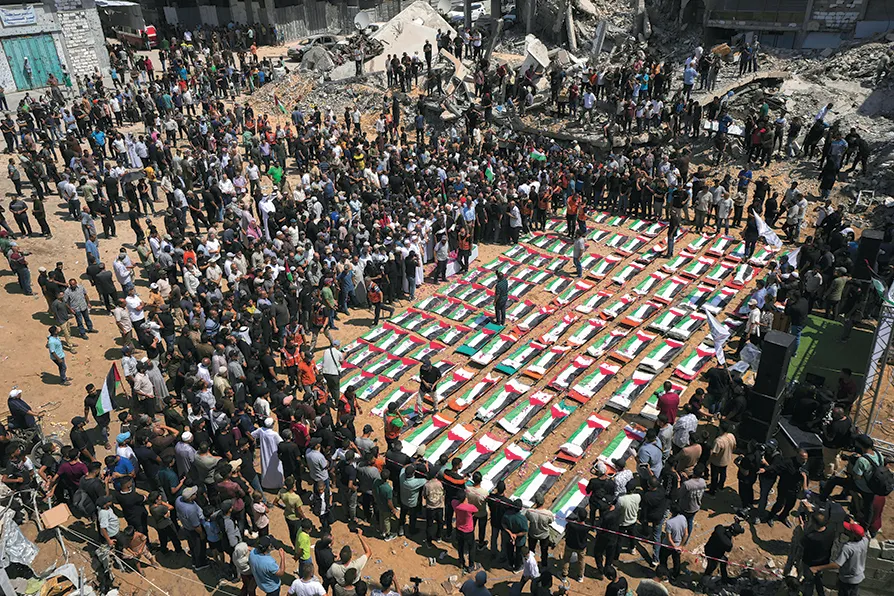
Given the recent rejection of peace proposals by Israel the world must provide an immediate and resolute response to force accountability on Gaza, argues RAMZY BAROUD
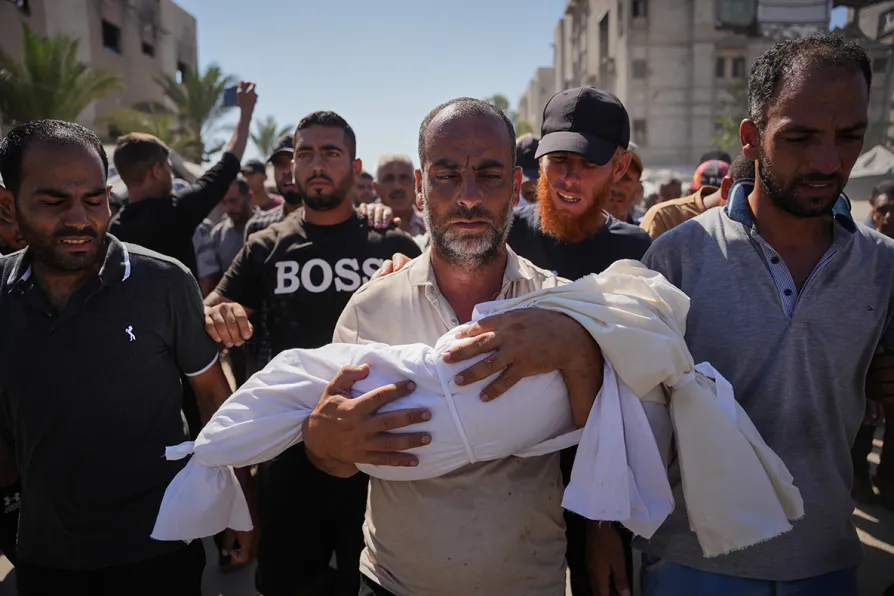
The electoral cost of Labour’s stance on Gaza is impossible to ignore – the new leadership must take heed, argues PETER LEARY

The Met Police's refusal to act against British nationals accused of war crimes in Gaza is a green light for Israel's genocide, writes CLAUDIA WEBBE
On International Day of Solidarity with the Palestinian People, HUGH LANNING warns that the US-led “Comprehensive Plan” entrenches decades of Western complicity in Israel’s domination and denial of Palestinian land and rights