
A California union’s decision to host a meeting about US policy towards Cuba has prompted a congressional probe and renewed attacks on international solidarity, writes CAMERON HARRISON


The spice is right
More expensive by weight than gold, saffron is surprisingly simple to grow. MAT COWARD explains
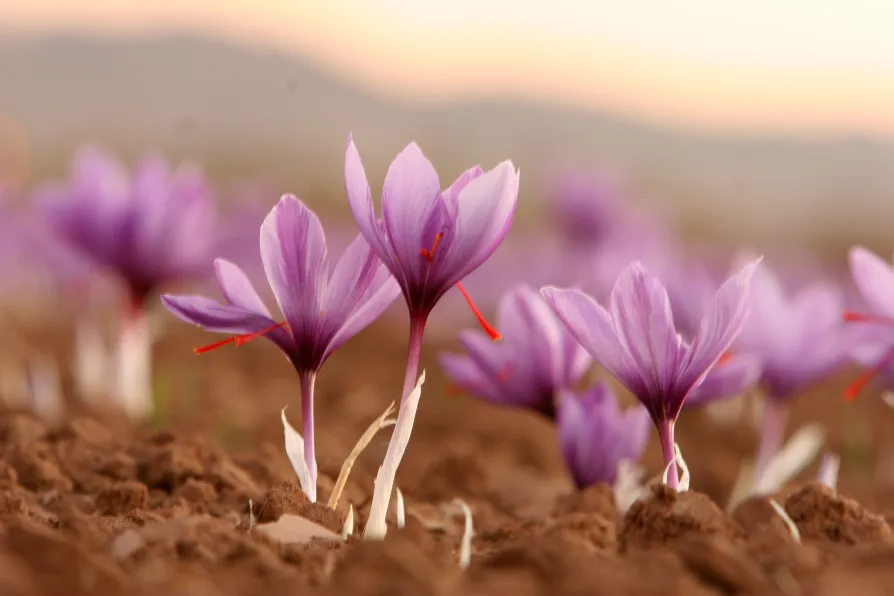
 Crocus flowers which yield red saffron stigmas Pic: Wikipedia/Safa.daneshvar

The Baltic state is set to reverse its constitutional prohibition on nuclear weapons and foreign bases as part of accelerated Nato war preparations, warns TOM UNTERRAINER
Long-term underfunding and state neglect, while simultaneously probation services have been undermined, have intensified the prison crises, argues SOLOMON HUGHES
Holyrood incompetence has cost jobs and put the future of Clydeside’s Ferguson Marine shipyard into jeopardy. Its future should have been assured, argues KENNY MACASKILL
With the agitated debate now raging in the media about the early release schemes, Prison Officers Association general secretary STEVE GILLAN gives the view of those who work in the sector
The hounding of the late Jason Arday is an all too familiar experience for many black people. ROGER McKENZIE calls for collective action to combat what can feel like personal isolation





WHEN I first wrote about saffron in this column, the bulbs (strictly speaking they’re corms) weren’t so easy to get hold of. These days you can find them readily online. Since that was really the only obstacle to growing this fabled spice, I hope I can persuade more of you to have a go.
Saffron (Crocus sativus) doesn’t take up much garden space and doesn’t need special equipment, skills or conditions. There’s not much work involved at any stage, you get beautiful flowers in the autumn and you end up with a crop which to buy can be more expensive by weight than gold.
Plant the corms between July and September, with early August probably being ideal in Britain. If you’re growing them in the ground, you need to choose the spot carefully. The soil must dry out completely during their summer dormant period. Saffron needs to bake in the summer sun and won’t flower well in shade, so give them the sunniest, hottest position you can find.
The border of an unheated greenhouse is good for them, but the simplest option is to use pots which are at least six inches (15cm) deep, and preferably more than that. Plastic garden troughs work well, but whatever you use make sure it has plenty of drainage holes: waterlogging is the great enemy.
Plant each corm about six inches deep and the same apart. I’ve generally used ordinary multipurpose compost with a couple of handfuls of horticultural grit or sand mixed in for extra drainage, but specialist bulb compost might give even better results.
Water the bulbs on planting to settle them into the soil or compost, but after that leave them alone until September when daily watering in dry weather can reduce the temperature, which helps trigger flowering. Leaves and flowers should start to appear in October, and continue doing so in waves for a few weeks. Saffron usually, but not always, flowers in its first year.
The edible part is the three bright red stigmas present in each bloom. Check every day, and harvest them as soon as they appear. Snip them out with scissors and gently put them between sheets of kitchen paper. Keep them somewhere warm and dark for a few days until they are brittle-dry, crackly to the touch. Saffron will keep for years in an airtight container out of direct light.
The leaves linger through winter, disappearing around April, signalling the plants entering dormancy. In July, every three or four years, I empty out all my saffron pots, invariably to reveal that the half-dozen corms I planted have reproduced like rabbits and there’s now scores of them. Overcrowded saffron won’t flower.
Pick out the largest for immediate replanting at the original distances: they should flower that same autumn, while the smaller ones will take a couple of years. You could give them to friends, or (let’s keep Keith Stoddart smiling) you could always sell them for the Fighting Fund.

Similar stories
MAT COWARD says the heatwave is a testing time for gardeners — but he has some tips
MAT COWARD takes a look at some of the options for keen gardeners as we enter 2026
Commiserations if you failed this year, MAT COWARD offers six points which, if followed religiously, will ensure you succeed next year
MAT COWARD sings the praises of the Giant Winter’s full-depth, earthy and ferrous flavour perfect for rich meals in the dark months