WILL STONE samples the 20th anniversary atmosphere of this eclectic end-of-season indie festival


 Latest editorial
Mea Allen: the woman who stormed Fleet St
GAVIN O’TOOLE is enthralled by the colourful portrait of a woman who pioneered a path into the tough, magical world of journalism
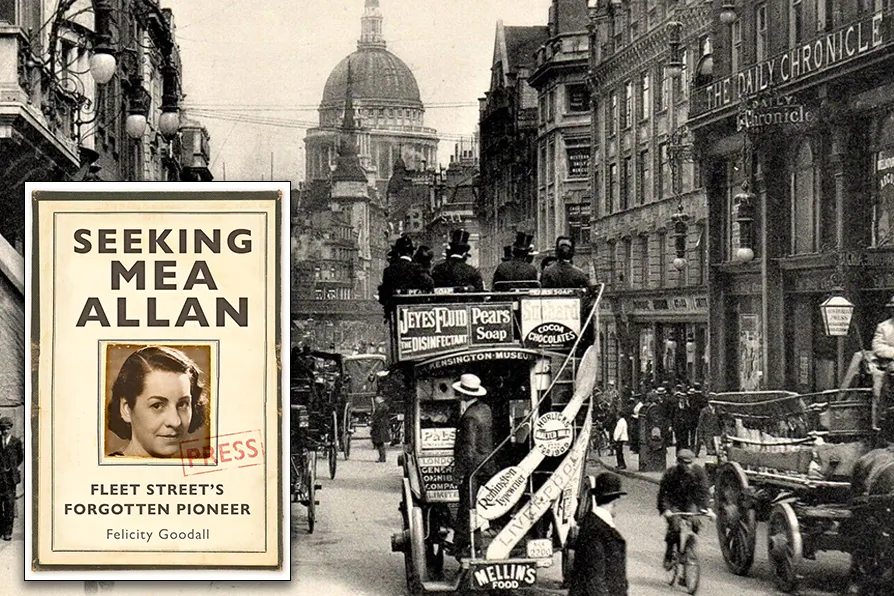 DEN OF SEXISM: Fleet Street in the 1920s [Pic: Mark Crombie/CC]

Comics are not just superheroes and spandex – it can be public art, telling public stories, suggests HARRIET EARLE
The bard serenades the Diggers of Wigan and their festive followers
ALEXEI SAYLE speaks to Angus Reid about a lifetime of protest, how to hone political art – and what to do now
ANDY HEDGECOCK, JAMES WALSH, LEO BOIX and MARIA DUARTE review Just An Illusion, Everybody Digs Bill Evans, Blue Film, Oasis: Don’t Look Back in Anger, and Runner
MARIA DUARTE recommends a nerve-wracking reconstruction of the 72 hours before the Normandy landings





Seeking Mea Allan: Fleet Street’s Forgotten Pioneer
Felicity Goodall, The History Press, £22.99
AS IF through a surreptitious cut by a hoary subeditor, the story of women in Fleet Street has been largely excised from the history of Britain’s fourth estate.
Apart from a few noble exceptions (Mary Stott, Julie Welch, Ann Leslie, Doreen Spooner), biographies and memoirs of pioneering female journalists in the era of print are as scarce as hard news in the silly season. Moreover, the focus of the surprisingly scant corpus of work that has been published has mostly been since the 1960s — arguably towards the end of a golden age in a street globally synonymous with British newspapers.
That there are so few works about women during Fleet Street’s heyday from the 1930s to the 1960s makes Felicity Goodall’s Seeking Mea Allan both welcome and necessary.
If Mea Allan is not a name that will be familiar, it should be: she was the first woman promoted to the news desk of a national newspaper; the first woman permanently accredited to the British Army as a war correspondent; and the only woman despatched to the Bergen-Belsen concentration camp that would become a byword for cruelty.
Goodall has undertaken an all-consuming mission to trace the life of an intrepid professional battling the odds for her rightful place in a sexist industry, but also a life well lived in which Allan, who died in 1982, was writing to the last.
The biographer followed clues from Glasgow to London, Paris to Hamburg, Berlin to Salzburg, and Bergen-Belsen to a village on the East Anglian coast.
Born in Glasgow in 1909, the daughter of a bootmaker and shop assistant, after leaving school in 1928 Allan entered journalism as a subeditor for trade magazines in the city. The male grip on the press was total, and one way round this was for her to dabble in fiction, publishing stories in a range of newspapers and women’s magazines.
In 1938, she followed her heart to London, gaining her first job as a subeditor at Woman’s Friend. She responded to the call of Fleet Street when Sunday Referee managing editor RJ Minney began seeking a token female reporter: “a girl go-getter.” Goodall pieces together detailed accounts of the stories Allan covered and, by highlighting her own experience as a female journalist, the obstacles she overcame in order to thrive.
And thrive Allan did: she moved to the Daily Herald as war in Europe loomed, and as her star rose found herself on the news desk, tackling bigger stories, and writing novels in her spare time. By 1944, she was posing for her war correspondent’s ID, and 13 days after the liberation of Paris flew into France with seven other Fleet Street women accredited to the British forces.
Goodall follows in the reporter’s footsteps as she covered reconstruction efforts and the travails of the displaced, impressing her editors to such an extent that in May 1945 she walked through the gates of Bergen-Belsen. The horrors she encountered traumatised her, which may explain why after the war, disillusioned and unable to readjust to domestic reporting, Allan put Fleet Street behind her.
She put down roots in Walberswick, where she fashioned an accomplished if impecunious life writing horticultural books and lived openly as a gay woman.
In telling this remarkable story in passionate detail, Goodall has penned a small masterpiece informed by her own experiences as a female journalist. She paints a colourful portrait of Fleet Street while uncovering the inner thoughts of a woman in thrall to this tough yet magical world.
In her diary Allan described the sounds of the Sunday Referee newsroom: “Tape madness ticking and clacking, typewriters thumping, subs calling and bellowing… It must be like this every day on a daily newspaper.”
She was also something of a seer: her second novel, Change of Heart (1943), is a chillingly prescient vision of the resurgence of fascism in a future Germany.
This bewitching book will warm the cockles of anyone who has worked in newspapers, while providing a crucial missing piece of the jigsaw of press history.

Similar stories
RITA DI SANTO contemplates two films about journalism that opened this year’s festival
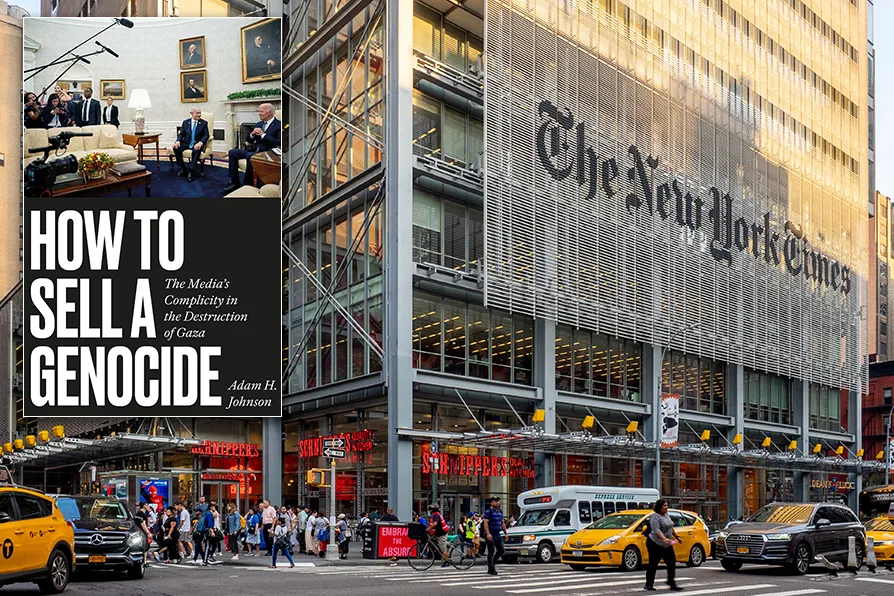
GAVIN O’TOOLE recommends a methodical unmasking of the US media’s complicity in the Israeli genocide, that should be a template for what’s needed to bring Britain’s corporate media to book
![[Pic: Andrew Wiard]](https://msd11.gn.apc.org/sites/default/files/styles/desktop/public/2026-01/19860503_a_wiard_0003.jpg.webp?itok=mR5zV0nE)
The once beating heart of British journalism was undone by technological change, union battles and Murdoch’s 1986 Wapping coup – leaving London the only major capital without a press club, says TIM GOPSILL

GAVIN O’TOOLE welcomes, and recommends a a candid, evidence-based record of Britain’s role in the slaughter visited by Israel upon the Palestinians