

 Latest editorial

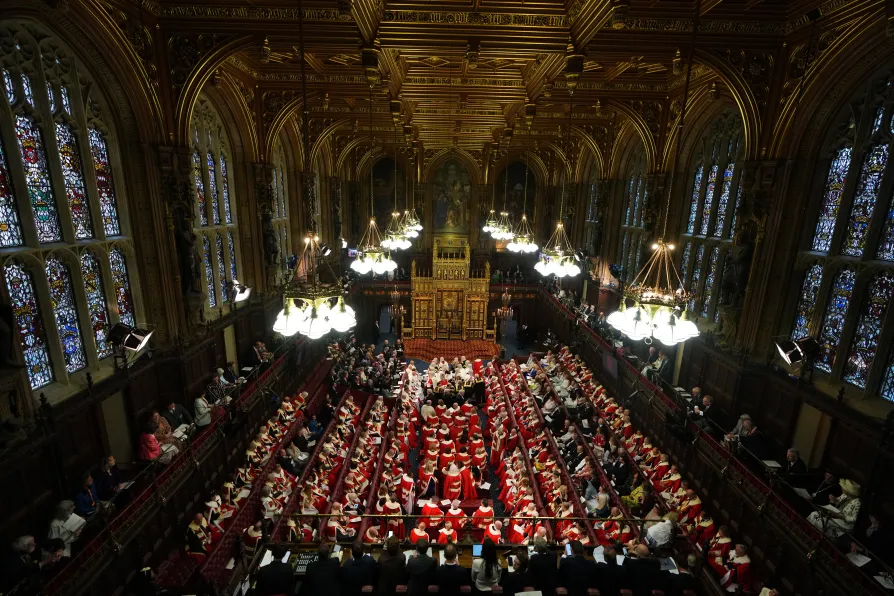 A view of the Chamber of the House of Lords ahead of the State Opening of Parliament at the Palace of Westminster in London, May 13, 2026
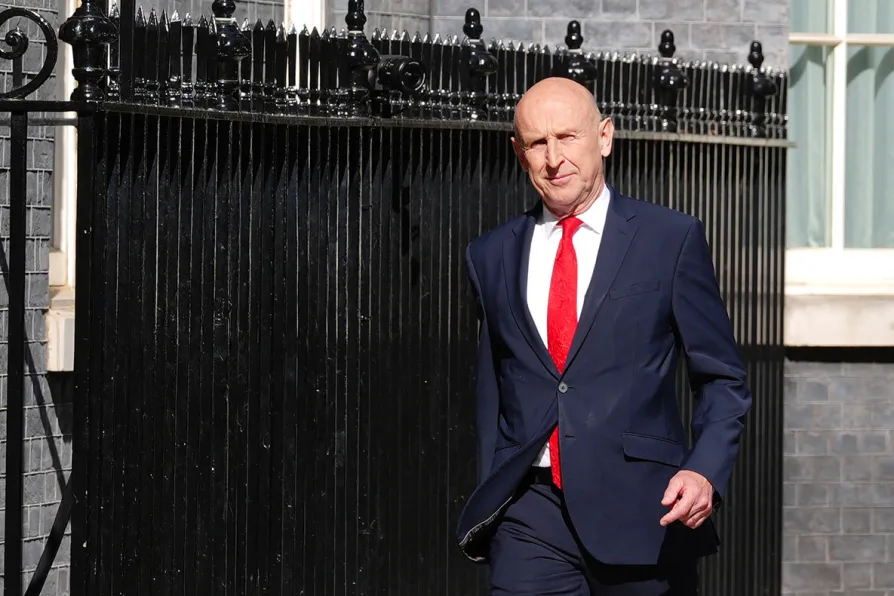





PEERS have seen their shares in oil and gas firms soar by tens of thousands since the start of the US war on Iran as the energy price cap jumped today, the Morning Star can reveal.
At least seven lords and one baroness have seen their stock holdings in companies such as Equinor, Chevron and Shell, increase since the war-driven energy shock.
New research from the End Fuel Poverty Coalition (EFPC) shared exclusively with the Star revealed the estimated gains made by peers as households “dread” the next energy bill.
EFPC co-ordinator Simon Francis slammed the lords who “may be leaping at the prospect of increased dividends and share prices” on the backs of “suffering households.”
Among the lords who saw the highest rise in their holdings was former Treasury and Cabinet Office minister Lord Agnew of Oulton.
A Tory peer and board member on GB News’ holding company, Lord Agnew saw his shares in Britain’s largest gas supplier Equinor grow by around £28,000 since the February 28 US-Israeli strikes on Iran which kicked off the war.
Former Tory Treasury minister Lord Sassoon saw shares in Chevron, ConocoPhillips, Occidental Petroleum and Shell grow by a combined value of just under £28,000.
EFPC highlighted other sitting peers holding shares in Shell, including former Hong Kong governor Lord Patten, former Tory home secretary and chancellor Lord Clarke and crossbencher Lord Rees.
Their combined shareholdings have increased by £20,000 since the war started, the findings showed.
EFPC’s research is based on public declarations of interest, used to determine approximate shareholdings of peers.
Another Shell shareholder revealed in the report was Lord Fink. As well as Shell, he also saw his investments grow in Harbour Energy, a firm which posted first-quarter 2026 revenues of £2.2 billion, up from the start of 2025.
The coalition also revealed Lord Fuller and Baroness Noakes owned stock in both Shell as well as BP.
The latter reported underlying profits of £2.4bn for the first three months of the year, representing more than a two-fold increase from last year.
Mr Francis said these peers’ “joy is built on the suffering of households across the country.
“While households dread the next energy bill, the price shock profiteers are doing very well out of the Iran conflict, but they are not doing anything to solve the underlying problem.”
But he warned that long-term energy security “cannot be built on a declining North Sea where firms have already extracted 90 per cent of commercially viable gas.
“The geology of the basin means import dependence is only going one way.
“The answer is not to drill more and bill consumers more, it is to build homegrown renewable energy that ends our exposure to these shocks for good.”
Researchers highlighted the energy sector’s overall gains, with firms posting over £26bn in profits since the start of the conflict, including around £3bn in these British operations.
Plaid Cymru peer Carmen Smith said it was “deeply concerning” that some peers “hold financial interests in companies such as BP and Shell during this period, with reports of significant personal gains.”
She added: “This raises important questions about transparency, accountability and public trust.
“At a time when many households are being forced to make difficult choices between heating their homes and putting food on the table, people rightly expect all members of Parliament to act in the public interest.”
Meanwhile, millions of Brits were urged to submit energy meter readings to avoid paying more than they need to on bills, as the Ofgem price cap jumped 13 per cent today.
An estimated 5.3 million households on standard tariffs and who do not have a smart meter were urged to measure the energy they have already used before more expensive rates take effect.
Based on the new rates, the average gas and electricity bill will increase by £221 to £1,862 a year.
Price comparison service Uswitch spokesperson Ben Gallizzi said households should “submit a meter reading and get a cheap fixed energy deal.”
Minister for energy consumers Martin McCluskey said: “We know families are deeply concerned about rising energy bills because of a war we did not choose, and we are determined to fight their corner to tackle energy affordability.”
All peers mentioned in the report have been contacted for comment.
