In a season of Greek mythology NIAMH THORNTON looks at an intriguing relocation of Medea to contemporary Mexico


 Latest editorial

The marvellous legacy of Ken Livingstone’s GLC
MARJ MAYO recommends a well illustrated and very positive account of an extraordinary period in local government history
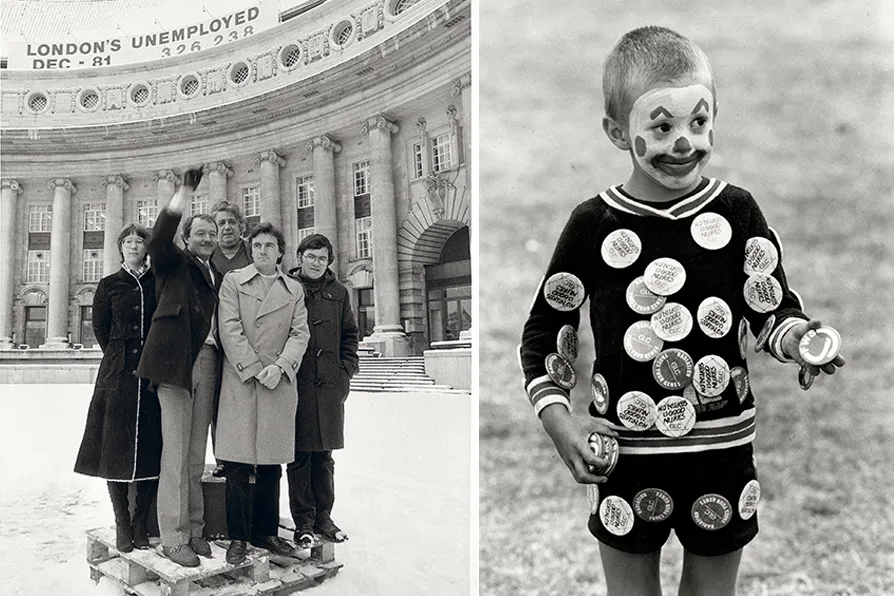 Valerie Wise, Ken Livingstone, Charlie Rossi, John McDonnell and Michael Ward at County Hall; (R) Peace Festival for Hiroshima Day, August 1983 [Pics: © The London Archives, City of London Corporation/Pam Isherwood]

By chance, RENATA MEDEIROS MIRRA comes across a fine new two hander about the enduring legacy of the Miners' strike
Rescue care from the realm of sentimentality: what happens when we replace the vertical relationship between benefactor and victim with interdependence, collective organisation and struggle?
New releases by Interpol, Phoebe Bridgers, Lambchop
ANGUS REID urges us to understand the persecution of Jason Arday from a political and historical perspective, and to see the victim in human terms
Re-releases of the classics Gypsy Rhumba and Buena Vista Social Club, and a stunning album by Palestinian artist Faris Ishaq
Nothing, says ANDY HEDGECOCK, can rescue this undistinguished amalgam of ponderous melodrama and shallow philosophical speculation





London’s Ours! Images from the Greater London Council 1981-1986
Hazel Atashroo, Four Corners Books, £20
THIS is a very timely book, a powerful antidote to the view that politicians are all the same. London’s Ours provides a series of arresting and frequently humorous images, documenting the creativity of the GLC during the 1980s, working with trade unions and social movements to provide alternatives to the promotion of neoliberalism during the Thatcher years.
Campaigning and energetic, the GLC set out to demonstrate that local government could pursue transformative agendas and make a difference, as the section entitled “There is an alternative!” explains.
The images are creative, clever and often very funny. They are arranged around a number of themes, from jobs and London’s economy, planning and public transport, through to the GLC’s year of peace and London as a nuclear-free-zone. Banners used to hang from County Hall, displaying the latest unemployment figures, taunting the Thatcher government across the river in the Houses of Parliament.
There are posters in support of international campaigns as well as issues and campaigning closer to home, setting out the possibilities for local government action, disinvesting in apartheid, for example; just as there are posters publicising approaches on more local initiatives such as fair pay for the GLC’s own cleaners and the provision of creches.
Image
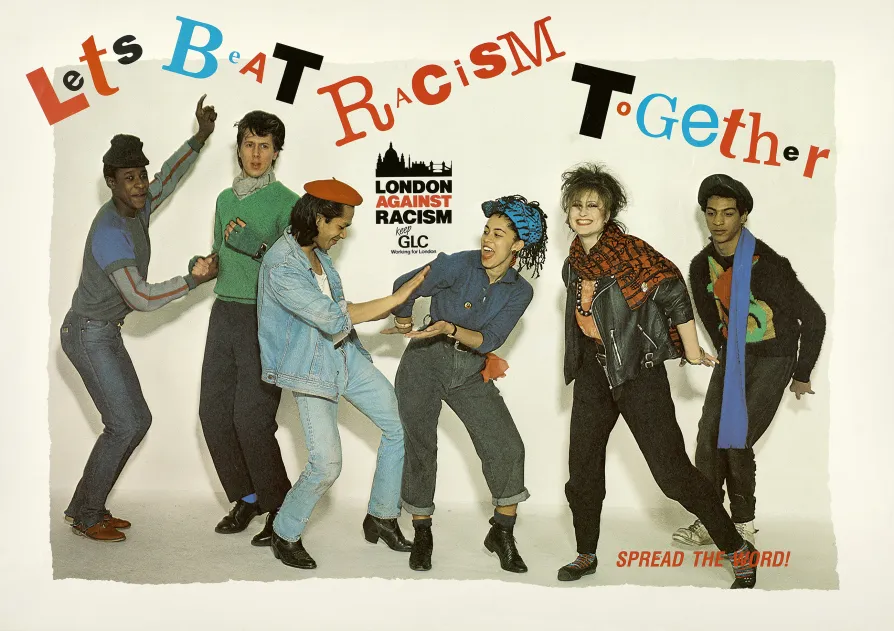
The GLC’s focus on equalities emerges with understandable emphasis. Working with social movements, the GLC made pioneering innovations with and for women, black and ethnic minority communities, LGBT+ communities and Londoners with disabilities. These achievements were possible precisely because these movements participated so directly, drawing on previous policy development work in the field of women and planning, for example. How different from the policy vacuum, when the present government came to power.
London’s Ours is a very positive account of an extraordinary period in local government history. This is illustrated with over 250 images, documenting the GLC’s creative visual culture, along with its active support for community arts.
This is not an entirely uncritical book, though. On the contrary, there are reflections on some of the GLC’s shortcomings, as well as its achievements in policy and practice. Paul Gilroy is quoted as arguing that the GLC’s public messaging focused on communicating to white, liberal voters about the racial prejudice of individuals, for example, with too little focus on racism’s institutional structures. And, as is argued in parallel, some of the GLC’s more top-down projects could have been better aimed.
London’s Ours will be warmly welcomed by those who remember those times; it is the perfect gift for friends and former colleagues from the GLC, to revisit shared memories. But London’s Ours should be appreciated more widely too, sharing these stories with subsequent generations on the left.
This is absolutely not to suggest that the GLC’s experiences could simply be replicated in very different times. But there are wider lessons all the same, lessons about the importance of imagination and hope, while building broad alliances for the pursuit of social justice.
Highly recommended.

Similar stories
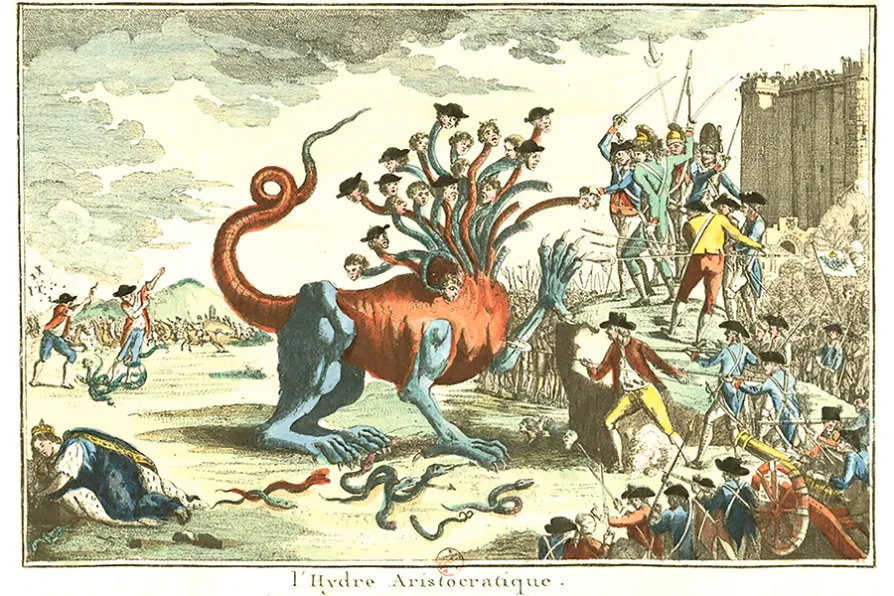
Before Greek myths reached the multiplex, they were weapons of political satire. CALLUM SMITH explores the evidence

CHRIS SEARLE welcomes a startling vision of contemporary Newport from a veteran photographer of the British working class

SIMON PARSONS applauds an artist who rescues and rehumanises stories of women, the victims of violence, from a feminist perspective
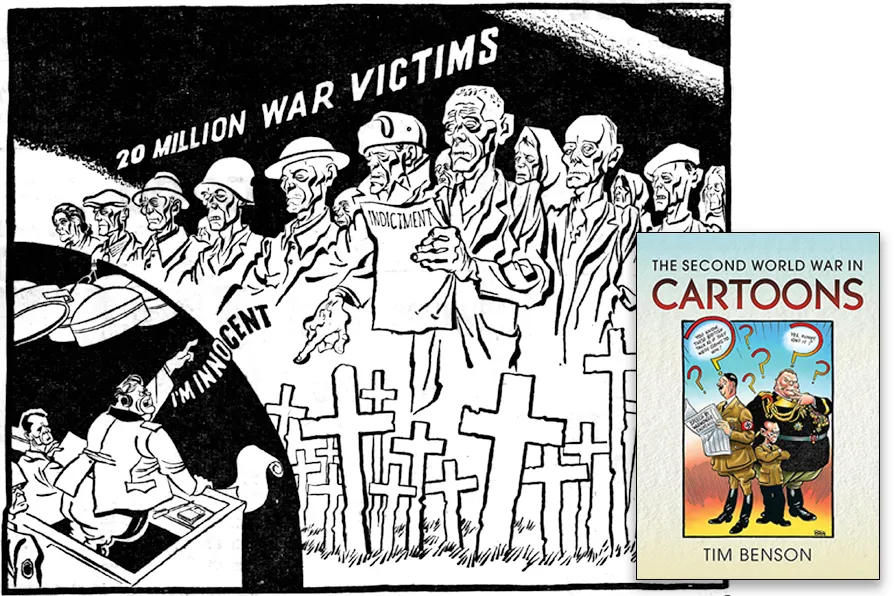
Star cartoonist MALC MCGOOKIN finds lessons for today in the punch, and the economy of line, of an extraordinary generation of illustrators