
ROB WARZYNIAK wades knee deep through a pile of ‘dead canaries’ of Trumpist policies which exacerbated the horrors of US capitalism domestically


Grenfell: Nine years, £150 million spent and justice still delayed
YVETTE WILLIAMS and JOE DELANEY dissect the institutional dawdling that rubbed salt into the Grenfell open wounds prolonging the agony of survivors
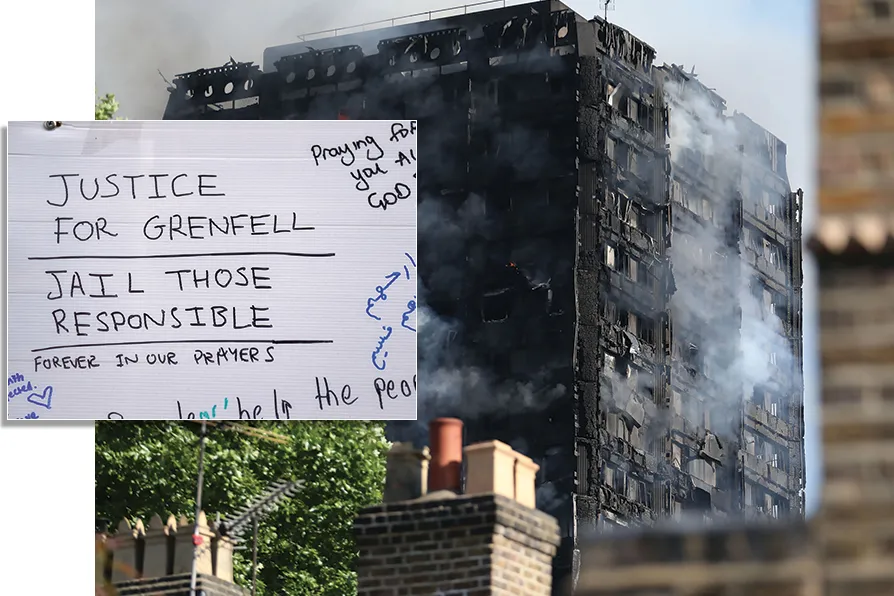
 I’ACCUSE...! A comment left among tributes close to Grenfell Tower in west London the day after a fire engulfed the 24-storey building
Without evidence or Nato consultations Berlin’s answer to the Leipzig incident is a rupture of relations. SEVIM DAGDELEN examines why
FRANCISCO DOMINGUEZ introduces the background to a conference on defending Latin America’s sovereignty
The glacier collapse in Nepal is yet another warning that a warming planet is making Himalayan disasters more frequent and destructive – but the countries facing the greatest risks are often those least responsible, says LI YANG
Nick Blair is set to benefit from a hugely lucrative contract to ‘virtually’ train the British army for its next war. Like father, like son, writes SOLOMON HUGHES
Even when tragedy strikes, Western media cannot resist the opportunity to turn it into a sordid propaganda opportunity, as the Nepal-China border tragedy shows, writes CARLOS MARTINEZ
Trade unions should be at the heart of the anti-racist push for reparations for the historic legacy and continuing impact of slavery, writes ROGER McKENZIE





THE Metropolitan Police announcement that 57 individuals and 20 companies may face criminal charges over the Grenfell Tower disaster was presented this week as a significant milestone in the search for justice.
But for survivors, bereaved families, and the wider north Kensington community, the overwhelming feeling is not relief. It is frustration that it has taken more than nine years to reach this point.
At long last, the first major hurdle in the criminal process appears close to completion.
The Met says its investigation — Operation Northleigh — is nearing the stage where files will be passed to the Crown Prosecution Service (CPS), which will then decide whether criminal charges should follow.
Yet the scale of the delay raises unavoidable questions about the institutions responsible for delivering justice.
Why has it taken nearly a decade to arrive here when residents had been warning for years that Grenfell Tower was a catastrophe waiting to happen?
The Grenfell Action Group blog repeatedly raised concerns about fire safety failures long before the tower burned.
In November 2016, community activist Francis O’Connor made his now-infamous prediction that it would take “a serious fire in a tower block” before authorities listened. Seven months later, 72 people were dead.
Since then, the evidence uncovered has been staggering. The Grenfell Tower inquiry’s phase one report in 2019 and phase two report in 2024 laid bare a culture of greed, deregulation, negligence, and institutional indifference that stretched across both the public and private sectors.
Operation Northleigh became the largest and most complex investigation in Metropolitan Police history. Investigators examined the actions of 15,000 individuals across 700 organisations, took more than 14,000 witness statements, and interviewed dozens of suspects under caution. The investigation has cost approximately £150 million.
Despite this enormous effort, many within the community cannot escape the feeling that justice has moved at a glacial pace because powerful public institutions, private corporations, and senior officials all stand within the frame of responsibility.
The Royal Borough of Kensington and Chelsea (RBKC) occupies a central place in that criticism. For many residents, the council ceased functioning as a public authority long before the fire and instead behaved like a private development machine, driven more by political ideology, cost-cutting, and property interests than by public safety or democratic accountability.
Residents who raised concerns were frequently dismissed, marginalised, or threatened.
After the fire, RBKC reportedly spent around £10,000 a day on legal representation to defend itself and protect officers and councillors from liability arising from allegations of criminal negligence and breaches of statutory duty.
Critics argue that while survivors and bereaved families continue to live with trauma, public money has been used to shield institutions and officials from accountability.
The delays are also far from over.
The CPS is not expected to make charging decisions until June 2027 — the 10th anniversary of the fire. Any criminal trials may not begin until 2029 because of the severe backlog within the court system.
That means families could wait more than 12 years before any verdicts are delivered.
For a disaster that claimed at least 72 lives, many see that timeline as a profound failure of the British justice system.
There is also growing anger that the current prime minister, Sir Keir Starmer, who previously served as director of Public Prosecutions and headed the Crown Prosecution Service, has remained largely silent on the pace of criminal accountability.
Campaigners argue that no one understands the workings, pressures, and priorities of the CPS better than the man now leading the country.
Many in the Grenfell community believe the government should be applying every legitimate resource and pressure necessary to ensure charging decisions are reached far sooner than the proposed 10th anniversary deadline.
To many survivors and bereaved families, the timing feels less like justice and more like another exercise in institutional management designed to soften political fallout.
The Metropolitan Police press statement itself has also attracted criticism for what some perceive as a carefully managed institutional tone. Community campaigners argue that the announcement should have begun with a direct apology for the nine-year delay rather than focusing primarily on the operational scale of the investigation.
The human cost of Grenfell has never been confined to the tower itself. Survivors remain traumatised. Bereaved families continue to fight for accountability. Residents across Britain still live in unsafe buildings wrapped in dangerous cladding years after the fire exposed systemic regulatory failures.
Meanwhile, the financial cost to the taxpayer has exceeded £1.2 billion and continues to rise. Yet many of those believed to bear responsibility have suffered little personal or professional consequence.
The 77 suspects identified reportedly span both public bodies and private companies. That matters because Grenfell was never solely the product of corporate malpractice or state failure alone.
It emerged from the deadly relationship between deregulated private interests and a public sector unwilling or unable to enforce safety standards.
For campaigners, accountability must therefore reach across both sectors equally.
There are also renewed calls for symbolic consequences. Critics have questioned whether the Royal Borough of Kensington and Chelsea should continue to retain its royal status in light of the council’s conduct before and after the disaster.
Some campaigners believe revoking that title would send a powerful message that institutional failure on this scale carries consequences.
But beyond symbolism lies the larger issue that has defined Grenfell from the beginning: whether Britain is willing to hold power accountable when working-class lives are lost. Nine years on, survivors and bereaved families are still waiting for an answer.
Yvette Williams and Joe Delaney are members of Justice4Grenfell campaign.

Similar stories
Britain funds the policing of black culture 16 times better than the culture itself. The Diamond Jubilee is the moment to end that, argues CLAUDIA WEBBE
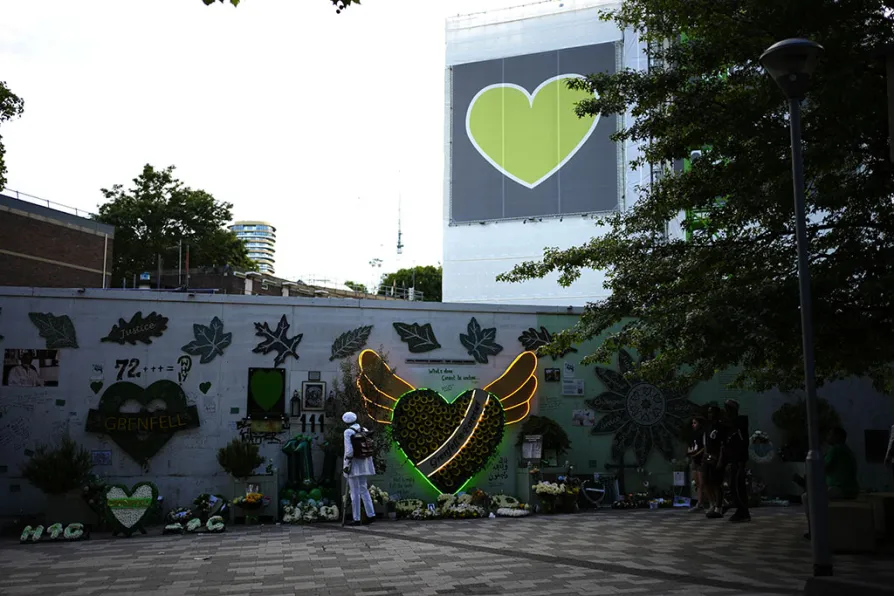
As we approach the half-anniversary of the Grenfell tragedy, the community gathers to remember loved ones while grappling with mixed emotions surrounding the ongoing deconstruction of the tower and the hopeful plans for a memorial, writes EMMA DENT COAD