

 Latest editorial

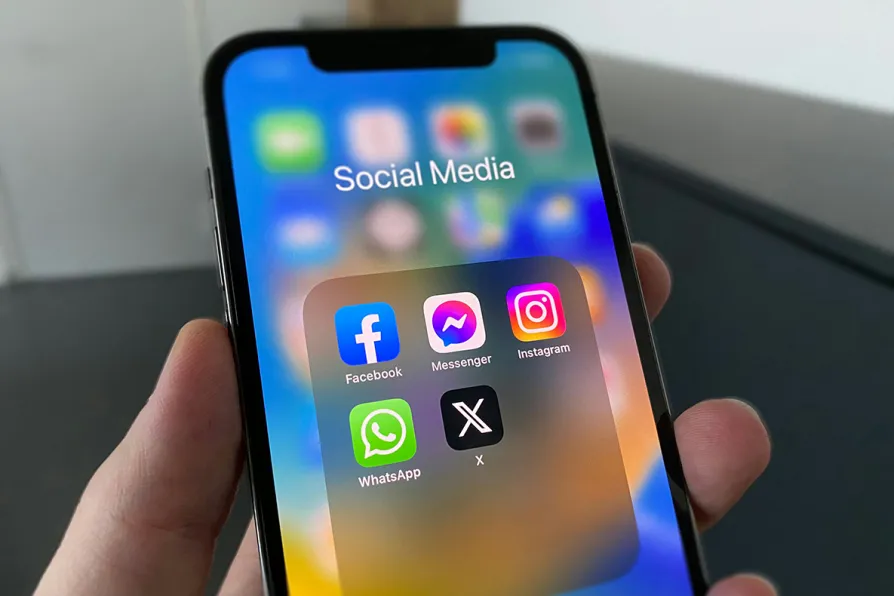 [Pic: Julian / Creative Commons]






CAMPAIGNERS have warned MPs against “rushing into” a ban on social media for under-16s, after it emerged the government has not assessed its key impacts.
The Department for Science, Innovation and Technology (DSIT) revealed today that it has “not done any modelling or analysis” on how the policy would affect areas such as mental health or access to news — and how young people might bypass restrictions.
In response to a freedom of information request, the department said internal modelling had not been carried out because “clear, agreed evidence does not currently exist.”
Molly Rose Foundation chief executive Andy Burrows said parents are “rightly demanding action” to protect children online, “but they want solutions to be effective and safe.”
“It is crucial the government follows all the available evidence about an under-16 social media ban before rushing into it,” he said.
MPs recently rejected another bid by the Lords to immediately bar youngsters from accessing the platforms.
Prime Minister Sir Keir Starmer hauled tech chiefs into Downing Street on Thursday to say the risks faced by children on social media “can’t go on like this,” but could not guarantee action by the summer to crack down on harms.
The government is piloting a range of measures, including app bans, time limits and overnight curfews, as part of efforts to improve online safety.
Around 300 teenagers are taking part in a six-week trial testing different restrictions, with ministers also considering an Australia-style ban.
Mr Burrows said stronger regulation was needed to tackle “addictive and harmful” parts of the online world.
“There is limited evidence that bans work and of the balance between the benefits and unintended consequences,” he said.
“Our polling of Australian teens shows it offers a false sense of safety.”
A DSIT spokesperson said the government-commissioned Dr Amy Orben of Cambridge University to examine evidence as “building the strongest possible evidence base is central to how we approach this issue.”
“This is precisely why we are running a national consultation, a national conversation and pilots of specific interventions,” they said.
“We will also be advised by an expert academic panel.”
