

 Latest editorial
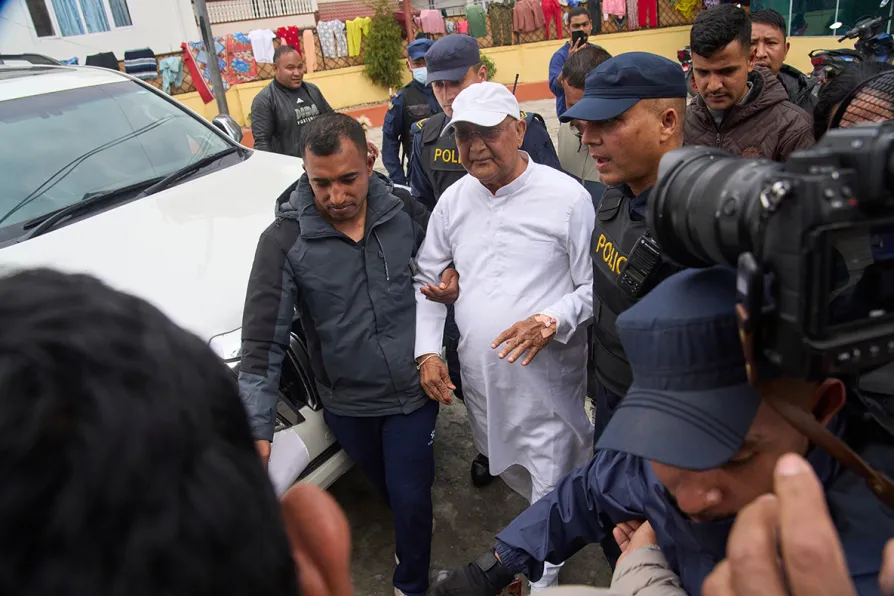 Former Prime Minister Khadga Prasad Oli is taken for procedural medical checkup after he was arrested by police in Kathmandu, Nepal, March 28, 2026





POLICE in Nepal arrested former prime minister Khadga Prasad Oli early on Saturday over the deaths of dozens of people during violent protests in September that toppled the government and resulted in new elections.
Authorities arrested the Communist Party leader at his residence on the outskirts of the capital Kathmandu. They also arrested Ramesh Lekhak, the former home minister who has been accused of ordering authorities to fire on protesters.
The arrests come a day after a new government headed by rapper-turned-politician Balendra Shah took office following a landslide win in a parliamentary election by his Rastriya Swatantra Party.
“No-one is above the law. We have taken former prime minister KP Sharma Oli and former home minister Ramesh Lekhak under control,” Home Minister Sudan Gurung said in announcing the arrests on social media.
“This is not revenge against anyone, it is just the beginning of justice.”
An investigation by a commission established by the recent interim government called for punishment of up to 10 years in prison for Mr Oli, Mr Lekhak and the chief of police at the time of the protests.
The arrests triggered the anger of Mr Oli’s supporters, and hundreds gathered near the prime minister’s office later on Saturday to protest and demand that Mr Oli be immediately released from custody.
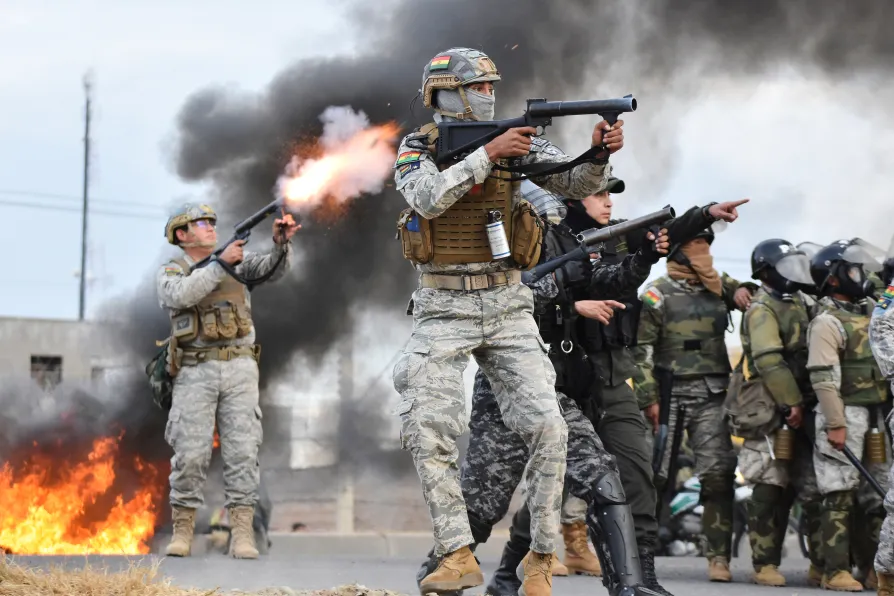
Some protesters burnt tires and scuffled with riot police who used batons to try to clear the road blocked by the protesters. No major injuries were reported, but police said they detained seven protesters.
An election earlier this month was the country’s first since youth-led protests against corruption and poor governance last September left 76 people dead and more than 2,300 injured.
Angry mobs burnt down the offices of the prime minister and president, police stations and the homes of top politicians who were forced to flee on army helicopters.
The demonstrations fuelled by “Gen Z” activists forced the appointment of Nepal’s first female prime minister, Sushila Karki, a retired Supreme Court judge who served during the transition leading up to the election.
