

 Latest editorial

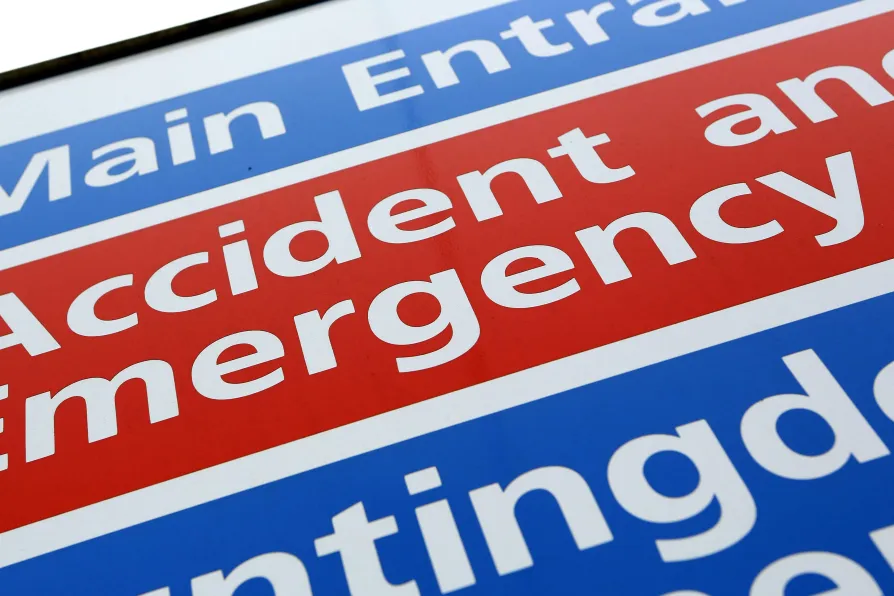 An Accident and Emergency sign

Prime Minister must give young workers the right to guaranteed hours and ending the scourge of insecure work, TUC says





MEDICAL staff slammed a “shocking state of affairs” within the Welsh NHS today after a report showed excessive deaths in A&Es.
The doctors and nurses trade unions were responding to the Royal College Of Emergency Medicine’s (RCEM) report on excess deaths due to long waits in emergency departments.
BMA’s Welsh Council chair Dr Iona Collins said: “The latest RCEM figures reflect the shockingly poor state of affairs within our current NHS in Wales.
“Nearly 1,000 deaths in Wales linked to people waiting more than 12 hours in emergency departments represents a profound failure of the system and an unimaginable loss for families.
“Front-line staff will continue to do the best they can in the circumstances placed upon them, working under relentless pressure.”
Royal College of Nursing Wales’s Sandy Harding said: “These findings are deeply disturbing and reflect our members’ experience in our 2025 report On the Frontline of the UK’s Corridor Care Crisis.
“Every day, our members are witnessing the consequences of a system under extreme and sustained pressure, where patients are waiting far too long in environments that are not fit for safe, dignified care.
“Our election manifesto is clear that the next Welsh government must eradicate corridor care as a matter of urgency.”
The Welsh government said: “Too many people are waiting too long in emergency departments.
“Long stays are distressing for patients and families and can be associated with poorer outcomes, particularly for older people or those who have complex clinical needs.
“We have been clear that health boards must improve flow, eliminate 12-hour stays and care in temporary spaces.”
The Welsh government added the figures quoted by the RCEM were estimates based on modelling in a single academic study transferred to Welsh data.
Plaid Cymru health spokesman Mabon ap Gwynfor MS said: “These are damning statistics showing how people are suffering as a consequence of 27 years of a failed Labour government.”
The BMA’s Dr Collins added: “With a Senedd election approaching, all political parties must commit to ending corridor care and tackling the causes of long waits.
“These deaths were not inevitable and with appropriate investment, those with the will to stop this can do so.”
