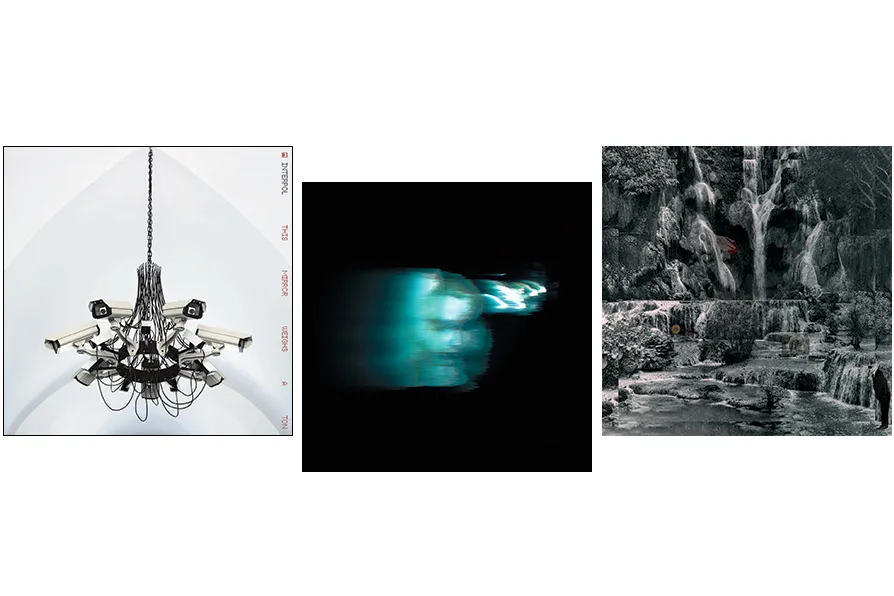
New releases by Interpol, Phoebe Bridgers, Lambchop


 Latest editorial

Still pickin’ cotton
JOHN GREEN savours an elegy to black farmers in the deep south of the US: a vanishing way of life redolent with poetic and political meaning
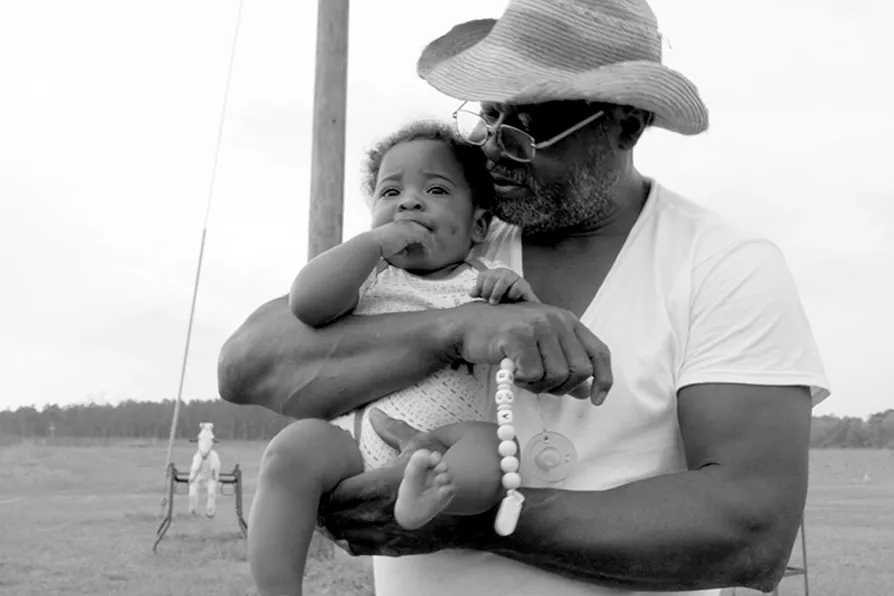 MARGINALISED: Seeds [Pic: IMDb]
ANGUS REID urges us to understand the persecution of Jason Arday from a political and historical perspective, and to see the victim in human terms
Re-releases of the classics Gypsy Rhumba and Buena Vista Social Club, and a stunning album by Palestinian artist Faris Ishaq
Nothing, says ANDY HEDGECOCK, can rescue this undistinguished amalgam of ponderous melodrama and shallow philosophical speculation
JAMIE BRITTON invites readers to visit 3,500 locals as part of a marathon artistic pub crawl
JOHN GREEN welcomes a valuable and incisive analysis of a world become hyperpolitical but without the mass movement institutions to represent it





Seeds (PG)
Directed by Brittany Shyne
⭑⭑⭑⭑☆
SEEDS, directed by Brittany Shyne, is shot entirely in black and white and took her over seven years to make. It is a lyrical celebration of a small African-American farming community in the deep south. It focusses on a family that owns one of the few centennial farms still in existence. (A centennial farm is one that has been in continuous ownership by a single family for 100 years or more).
At over two hours, it is a slow burner that appears to take on the lethargy of the heat and slow, seemingly unchanging way of life. It felt like watching a collection of individual still photos.
Languorous shots of wide vistas of desiccated landscapes, of old farm machinery and ramshackle bungalows present an image of rural life that we in Britain left behind in the 1940s.
While these black farmers are no longer slaves, life appears to be as arduous as ever. While they may have mobile phones and their own trucks, and the cotton is now harvested by combines rather than by hand, life is no bed of roses.
Seeds falls between the genres; it is an elegy to a vanishing way of life, but at the same time presents that life in an idyllic light. There is no commentary, only snippets of casual conversation which do little to give the protagonists any depth of character.
Black farmers still face systematic discrimination by government bureaucracy, and continue to face financial precariousness. Their white neighbours, on the other hand, have easy access to federal support. With mounting operational costs and inflation, many are losing their land. One poignant sequence follows 89-year-old Charlie Williams, who has farmed here since his teens, as he struggles to negotiate the best price for his much needed prescription glasses.
We are presented with a portrait of a marginalised community fighting to maintain a vanishing way of life. They even join others on a march to Washington, demanding action by the Biden administration, but with little hope of change.
The population is ageing, clinging on as they see no alternative. Owning land is more than an economic question; it is also a question of autonomy and the preservation of a heritage, to be passed on to future generations. Seeds begins symbolically with a funeral and ends with a melancholic church service.
The painful legacy of slavery in the country means that the rhythms of this type of farm work is redolent with poetic and political meaning.
However, I felt uncomfortable with its rather indulgent style, its lack of anger at the historical injustice that persists still today and lack of any overt critique of a society that is super wealthy but contains within it such poverty and deprivation.
Streaming on Mubi now.
