

 Latest editorial

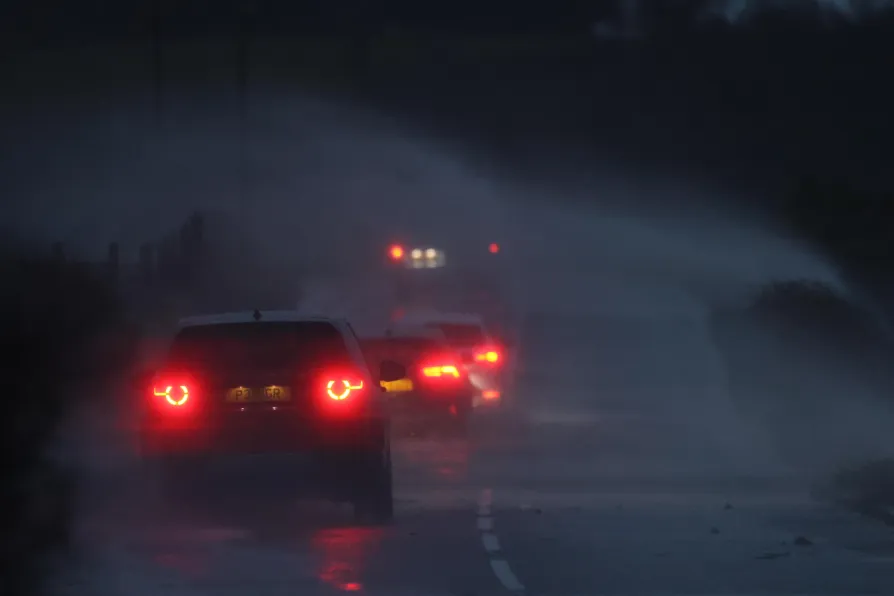 STORM BRAM: The entire island of Ireland was placed under weather advisories after forecasting agencies upgraded their warnings after strong winds from Storm Bram






EXTREME weather has become the “new normal” in Britain, as 2025 was a year marked by record levels of drought, heat, fires and floods, the National Trust warned yesterday.
Britain’s landscapes and natural habitats have endured “untold strain,” according to the conservation charity’s annual review, with drought hitting everything from natterjack toads to new trees.
The “defining” weather phenomenon of 2025 was its record-breaking warm and dry spring, which saw natural water sources dry up, causing the worst ever fire season.
With 47,000 hectares (116,000 acres) of land burned across the country, 2025 has seen the most wildfires since records began.
This year’s Eowyn and Claudia storms knocked down tens of thousands of trees and triggered flood warnings, while storm Bram brought a month’s worth of rain on Dartmoor in only 48 hours.
Despite its overall negative trends, the review included some good news, as butterfly numbers rebounded from the harmful wet weather of spring and summer 2024.
Pointing to successful wetland restoration projects, which continued to thrive through this year’s drought, the National Trust says scaling up efforts to restore habitats may give “wildlife and landscapes the lifeline they need.”
The conservation charity has also been planting more drought-tolerant trees such as hornbeam in Snowdonia, improving soil health in gardens and creating resilient landscapes which naturally store water and are better able to cope with heat.
National Trust head of nature conservation Ben McCarthy said: “Heat, drought and fire are the defining headlines of 2025.
“In just two years, we’ve lurched from a very wet period to record-breaking heat and dryness that put our countryside on red alert.
“Extremes in weather is nothing new, but it’s the compounded impact of several drought years in a short period — 2018, 2022 and now 2025 — which is putting untold strain on habitats and making life even more difficult for UK wildlife.
“These are alarm signals we cannot ignore. We need to work faster, smarter and in a more joined-up way.”
National consultant on climate change Keith Jones added: “These extremes — driest spring, hottest summer — are no longer rare events.
“They’re becoming the new normal, but practical action makes a difference.”
