IAN LAVERY MP warns that decades of neoliberal policies have left former industrial communities behind — but a renewed Labour commitment to working people could change the political landscape


Geoffrey Pyke, Britain’s brilliant anti-fascist inventor
MAT COWARD looks at the personal ideology of a man as concerned with the psychology of inventing as with inventing itself, whose ideas about education – and contributions to the war effort against the Nazis – live on
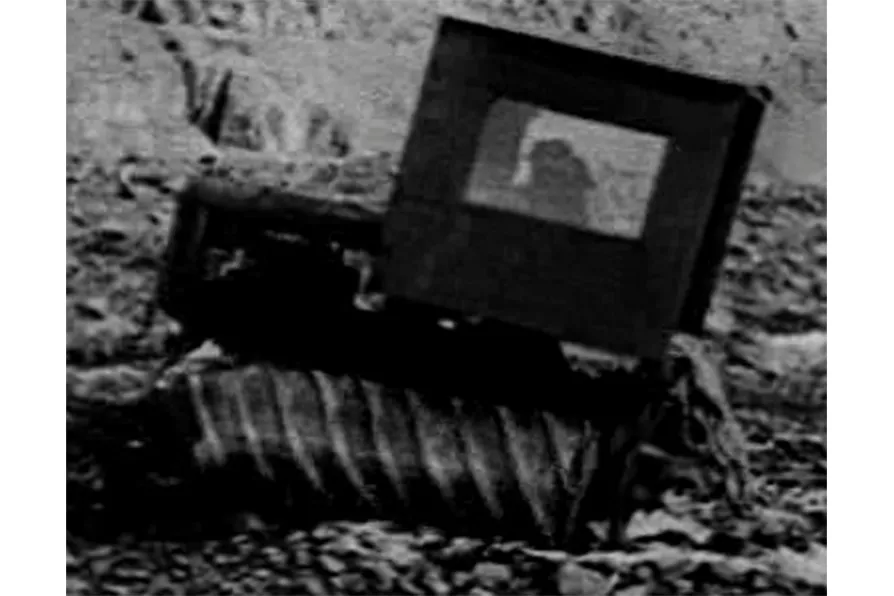
 The ice-based building material ‘pykrete’ narrowly missed deployment in WWII, though both have a fanbase in the modern scientific community
[Office of Stategic Services/ Creative Commons]
The ice-based building material ‘pykrete’ narrowly missed deployment in WWII, though both have a fanbase in the modern scientific community
[Office of Stategic Services/ Creative Commons]

PAOLO SANTALUCIA reports on how an Italian region defies US pressure to end a Cuban doctors programme
HENRY FOWLER outlines the GFTU’s new 2026-27 education programme and argues that investing in trade union education is essential to building worker power, developing leaders and strengthening collective action
We need a government that invests in saving lives not destroying them, argues SOPHIE BOLT
More expensive by weight than gold, saffron is surprisingly simple to grow. MAT COWARD explains
The public inquiry is the result of more than a decade of determined campaigning. Now, those who fought for justice want the full story of government involvement and police conduct to be told, says KATE FLANNERY
The Durham Miners’ Gala is a celebration of working-class culture, but also a call to action — to rebuild workers’ collective strength, says KIM JOHNSON MP





ON February 23 1948, the inventor Geoffrey Pyke was reported dead at his home in Hampstead by his landlady. He had clearly committed suicide, aged 54, though no-one was precisely sure why.
It was a tragic end to a life which had contained a great deal of achievement — and a great deal of pain. Obituaries noted his almost unparalleled importance as a thinker (“one of the greatest geniuses of his time”), his lack of public recognition and his eccentricity.
At the start of the first world war, Pyke had come up with the brilliant idea of becoming an undercover journalist for a British newspaper — in Berlin. At that time, the British secret service had failed to insert any of its agents into Germany, and Pyke didn’t speak German, so the odds weren’t really on his side. In October 1914, despite his forged US passport, he was arrested within a few days.

Similar stories

MAT COWARD tells the story of the eccentric founder of a short-lived but striking experiment in ‘vital democracy,’ who became best known for giving away his estate to the nation
The heroism of the jury who defied prison and starvation conditions secured the absolute right of juries to deliver verdicts based on conscience — a convention which is now under attack, writes MAT COWARD
‘Honest’ Tom Wharton’s 1682 drunken rampage through St Mary’s church haunted his political career, but his satirical song Lillibullero helped topple Catholic James II during the Glorious Revolution, writes MAT COWARD
While an as-yet-unnamed new left party struggles to be born, MAT COWARD looks at some of the wild and wonderful names of workers’ organisations past that have been lost to time