

 Latest editorial







A watchdog warned yesterday of "when post offices are moved out of town centres.
A survey of almost 1,500 people found that four out of five would be concerned if big branches were moved.
The research by public watchdog Consumer Futures follows controversial plans to franchise 70 Crown post offices - the larger premises that are usually found on high streets.
Consumer Futures spokesman Andy Burrows said: "Moving post offices out of town centres would mean more journeys for people who would normally go to the post office in their lunch hour.
"Elderly and disabled people would face a particular problem in getting to a Post Office to collect their pension or benefits."
Almost half of pensioners said it would be difficult for them to visit an out-of-town post office and one in five believed they would have to rely on a friend or relative to give them a lift.
The Communication Workers Union has held a series of strikes against the move, warning that jobs and services will be hit.
More than nine out of 10 of those questioned said a town-centre location was important for them.
Consumer Futures has urged the Post Office to retain main branches in town centres rather than move them to sites such as hypermarkets.
Association of Town & City Management chief executive Martin Blackwell said: "It is essential that post offices remain accessible to everyone and not just to those with cars.
"Furthermore, retaining post offices on the high street strengthens the chances for the success of other businesses through increased visits."

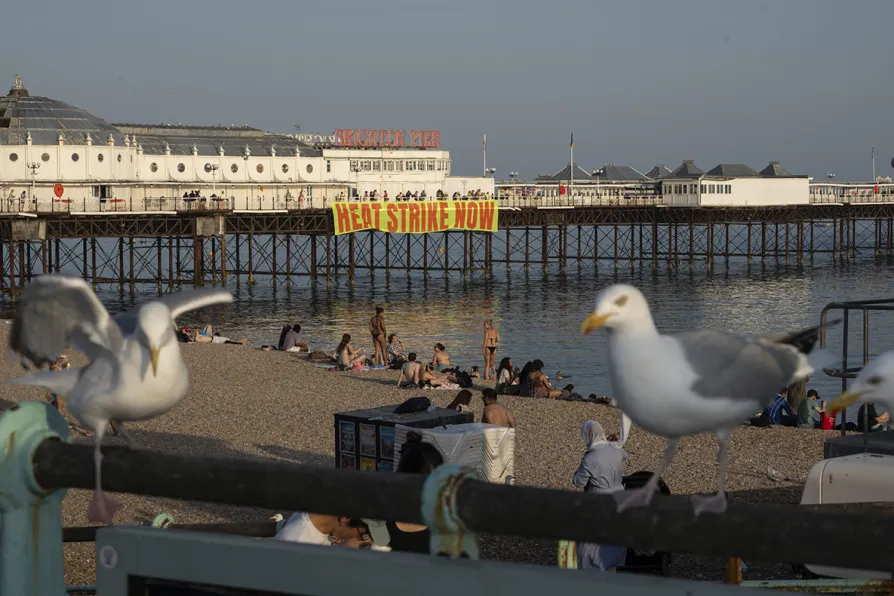
Unions and climate activists pressure government to consider legislation for maximum working temperature
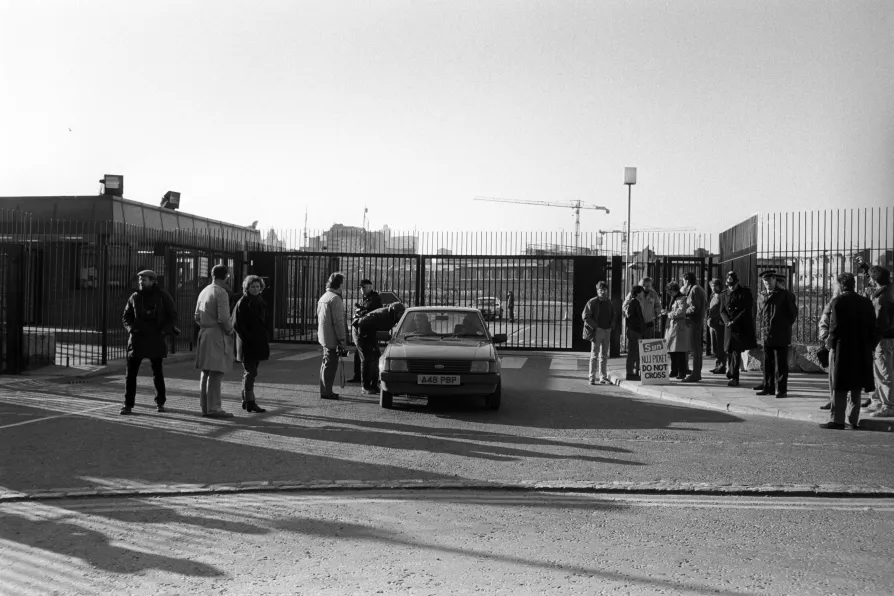
JOHN LANG recalls how Murdoch used scabbing electricians and even devised a fake newspaper to force a confrontation with printers – then sacked them all
![[Pic: Andrew Wiard]](https://msd11.gn.apc.org/sites/default/files/styles/desktop/public/2026-01/19860503_a_wiard_0003.jpg.webp?itok=mR5zV0nE)
The once beating heart of British journalism was undone by technological change, union battles and Murdoch’s 1986 Wapping coup – leaving London the only major capital without a press club, says TIM GOPSILL