

 Latest editorial

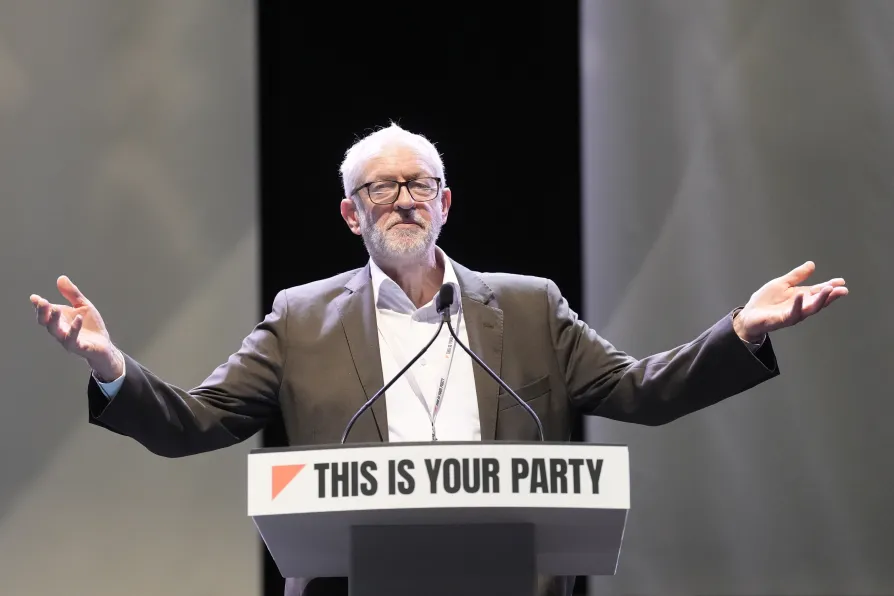





A TRADE minister under Margaret Thatcher shocked Tory colleagues yesterday by warning that TTIP goes “far beyond” free trade and would damage British democracy.
Peter Lilley, who is also a former Tory deputy leader, dealt the unlikely blow to government cheerleaders of the EU-US trade deal in a Commons debate.
Mr Lilley stressed his support for free markets and claimed to be the last serving MP to have successfully negotiated a similar trade deal.

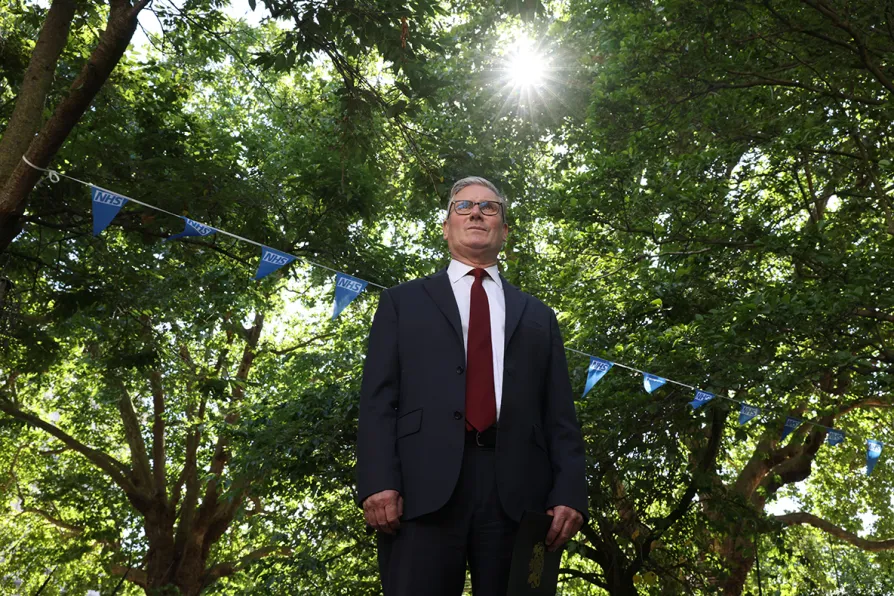
The PM leaves office having squandered Labour’s electoral mandate and alienated its grassroots. He will not be missed, writes BRIAN LEISHMAN MP
![[Pic: Andrew Wiard]](https://msd11.gn.apc.org/sites/default/files/styles/desktop/public/2026-01/19860503_a_wiard_0002.jpg.webp?itok=w0tEojMk)
A handful of journalists at The Times faced a stark personal and political choice in 1986 – cross the picket lines for cash and career, or stand with organised labour at great personal risk. BARRIE CLEMENT recalls why refusing to scab at Wapping was not just an act of union loyalty, but a stand for the future of journalism
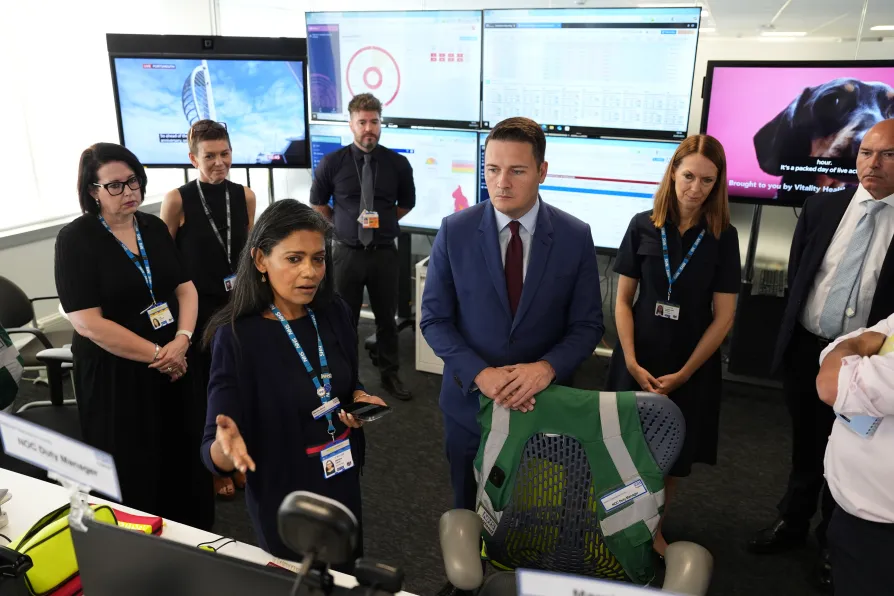
Politicians who continue to welcome contracts with US companies without considering the risks and consequences of total dependency in the years to come are undermining the raison d’etre of the NHS, argues Dr JOHN PUNTIS