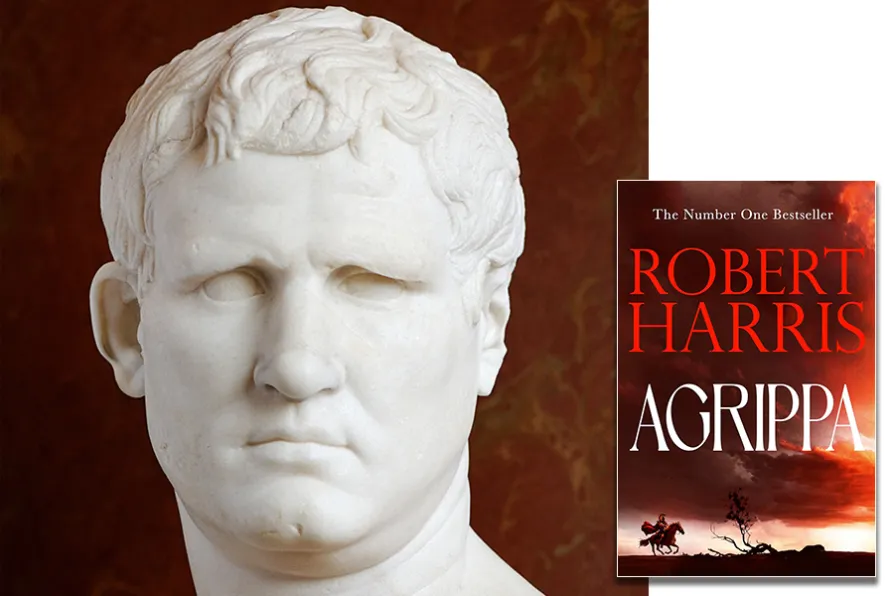
CATHERINE STEEL relishes a compelling novel about Augustus’s right hand man, but misses the politics, the cultural shifts, and more detail about his restoration of Rome


 Latest editorial

Walking the streets of eternity with a Guyanese great
The poems of Jan Carew which have just been published are testimony to a passionate engagement with the struggle for human liberation which transcends his life and times, says ANDY CROFT
TONY BURKE speaks to JOEL McIVER, co-author of the biography of bluesman John Mayall
A misfit couple unhappily ever after, a dead man walking, dodgy journos, and trench art trucking
New releases from Javon Jackson, IZE Trio, and Mal Waldron Trio
PAUL DONOVAN applauds an intriguing multi-layered depiction, dominated by a stunning impersonation of Marilyn herself
EWAN CAMERON marvels at the impossible ambition, realised with dreamlike finesse of translating Italo Calvino to the stage





IN THE early 1960s, the new university in Georgetown, Guyana, asked the Guyanese writer Jan Carew (1920-2012), then living in London, to help them stock their library.
With a cheque for £16,000 to spend but with no idea where to start, Carew contacted comrades in the Communist Party who helped him select the books and ship them out to Guyana.
It’s a tantalising story, told almost as an aside in Carew’s posthumously published Episodes From My Life (Peepal Tree, £19.99).

Similar stories
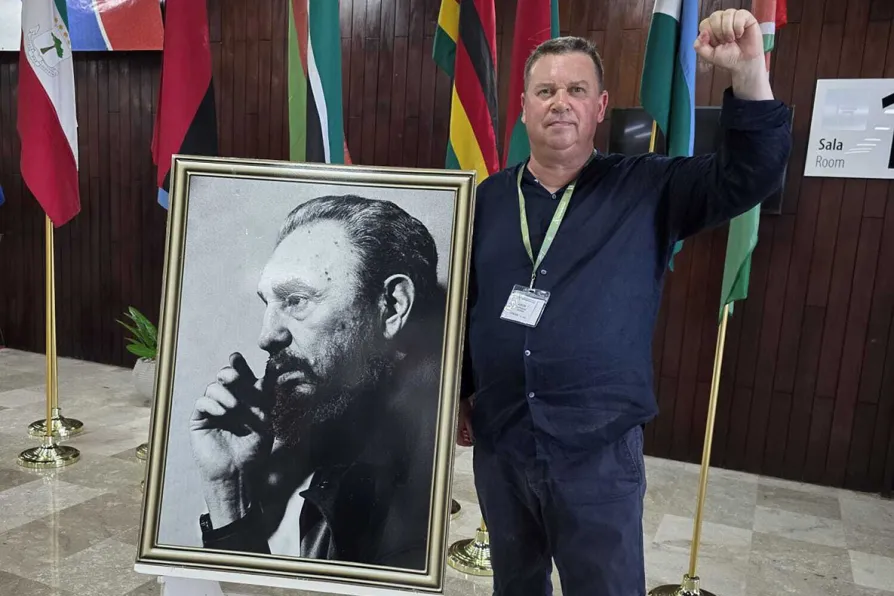
ALEX GORDON and LORRAINE DOUGLAS report from Havana, Cuba, where they represented the Communist Party of Britain at the 24th International Meeting of Communist and Workers’ Parties on August 7-8
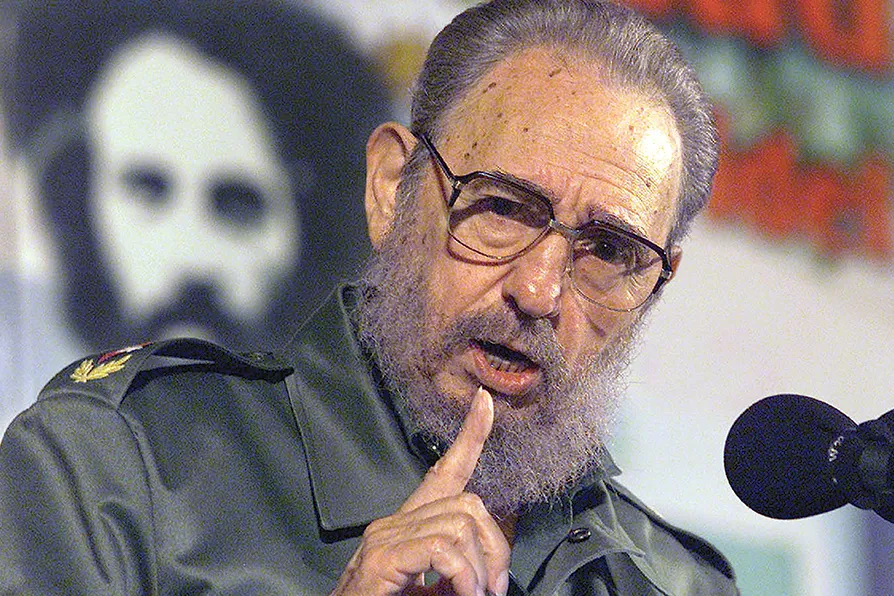
DR STEPHEN WILKINSON assesses the life and legacy of a revolutionary giant
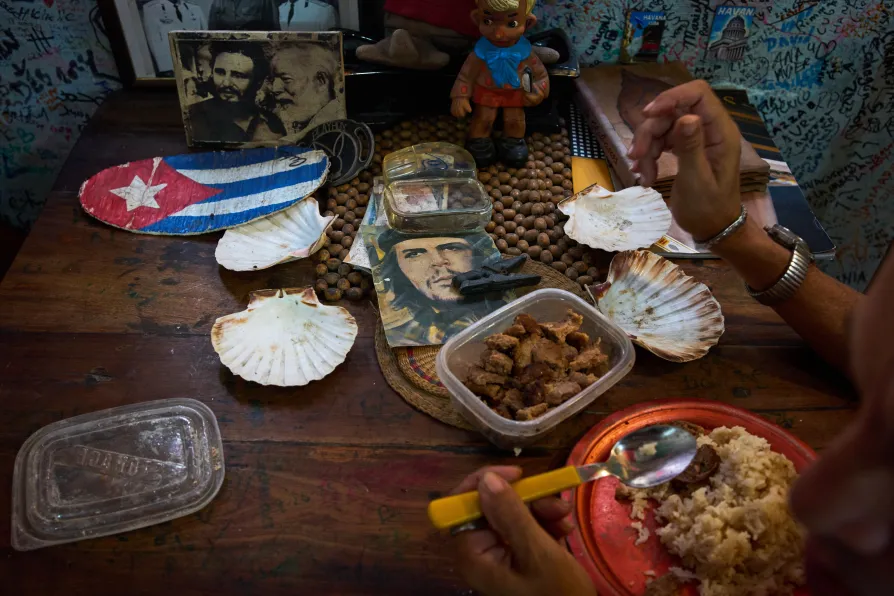
Cuba continues to embody a vision of internationalism that imperialism has never forgiven, argues ZOLTAN ZIGEDY
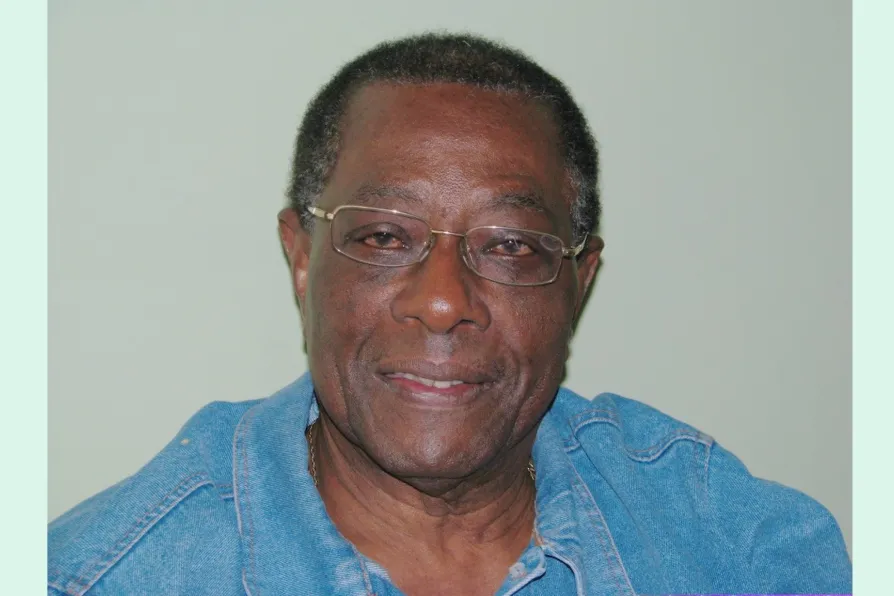
A lifelong communist and community organiser, Pinder helped shape anti-racist and anti-colonial activism in Britain while dedicating himself to youth work and collective struggle, writes David Horsley