Latest editorial

Ruling blocks questioning of ex-soldiers
High Court decision angers victims’ relatives
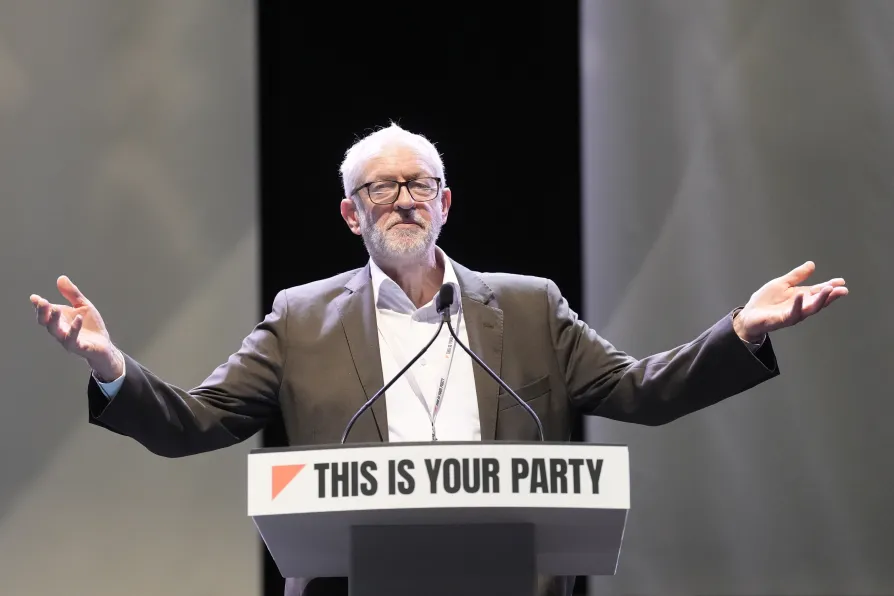





RELATIVES of innocent civilians killed by the British army on Bloody Sunday expressed anger yesterday at a High Court ruling preventing former soldiers being questioned by police in Northern Ireland.
Thirteen people were shot dead when members of the Parachute Regiment opened fire on civil rights protesters marching in Derry on January 30 1972.
Another man, John Johnson, died from his wounds several months later.
Seven ex-soldiers, who continue to hide their identity behind cyphers, sought a judicial review against the chief constable of the Police Service of Northern Ireland.
Granting the order, which prohibits their arrest and transfer to the country, three judges sitting at the High Court in London “unhesitatingly concluded” that not doing so would result in a risk to the men’s safety.
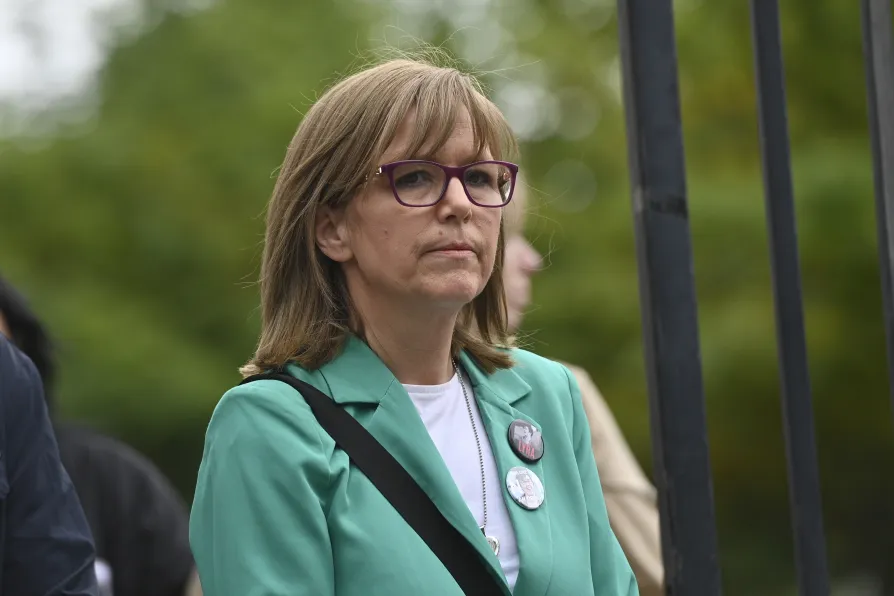
Kate Nash, whose 19-year-old brother William was killed, said: “We have fought for a very long time and we will continue to fight. If it takes us to go to England, then so be it.
“I want them tried and, if found guilty, I’ll settle for whatever punishment a judge gives them, whether that’s two years or whatever.
“I am not interested in punishment, I am interested in the law taking its course for innocent victims.”
Meanwhile, Sinn Fein said the court’s decision does little to instil confidence in the justice system.
Northern Ireland Assembly member Raymond McCartney said: “It has been established that people shot and killed on Bloody Sunday were murdered and the PSNI have a statutory duty to investigate and bring the perpetrators to justice.
“The decision by the High Court in Britain to stop suspects being brought to the north for questioning is the latest in a long line of impediments put in the way of this investigation.”
The PSNI probe was initiated after the British government-commissioned Saville inquiry found that none of the victims posed a threat to the soldiers when they were shot.
Following the publication of the Saville report in 2010, British Prime Minister David Cameron apologised for the Parachute Regiment’s actions, branding them “unjustified and unjustifiable.”

Similar stories