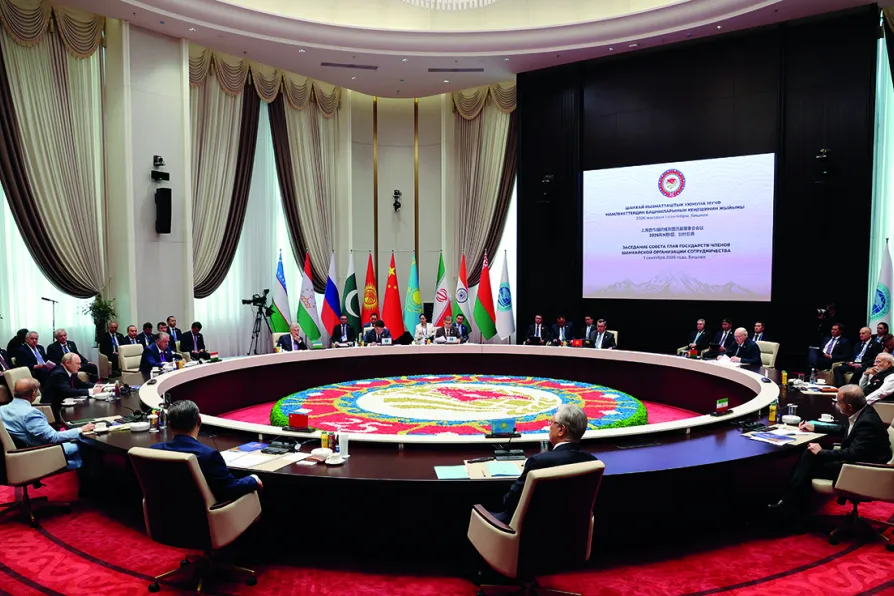
The 25th anniversary meeting of the Shanghai Co-operation Organisation in the Kyrgyz capital may offer a glimmer of hope that international relations do not need to be defined by endless confrontation, writes KENNY COYLE


 Latest editorial

Europe’s elite are worried once again
NICK WRIGHT recalls the Portuguese revolution and its degradation, arguing that now the pay-off for neoliberalism is spent, socialism is back with a bang
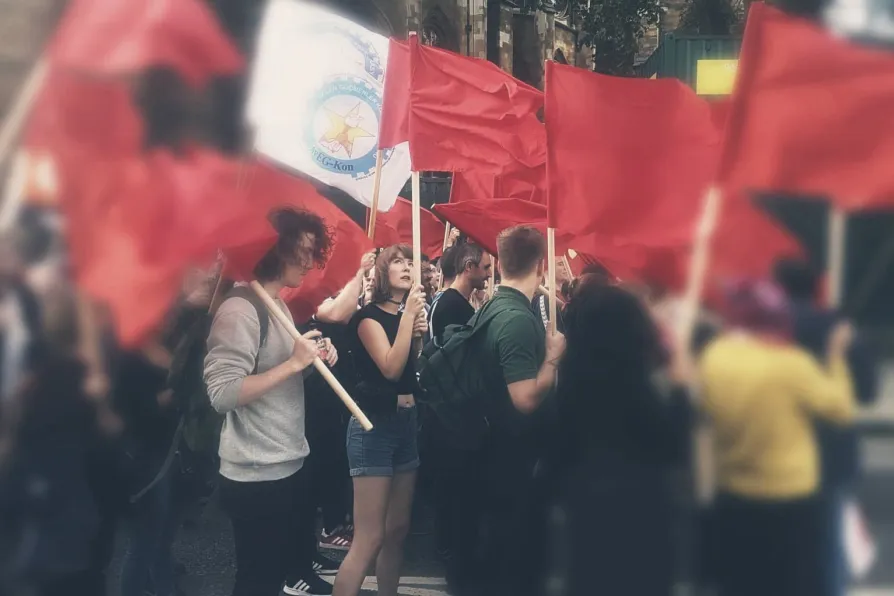 Young socialists march in London, summer 2018
The artist, who has just died, is embedded in the subconscious of the Palestinian people
The five young men killed in the A66 crash were responsible for a devastating tragedy — but the crash should force us to ask difficult questions about wider society, argues RENATA MEDEIROS MIRRA
Britain funds the policing of black culture 16 times better than the culture itself. The Diamond Jubilee is the moment to end that, argues CLAUDIA WEBBE
Despite Andy Burnham’s declaration defending the continued partition of the island, all major international and internal trends are converging to make Irish reunification inevitable
Humans are part of the ‘animal kingdom’ – and of nature in general – but also distinct from it and labour (work) is part of what makes us unique, declared Engels. His insights 150 years ago into how our species came to be and how we differ from the rest of nature, are as important today as they were then, says the MARX MEMORIAL LIBRARY
Committee for the Defence of the Iranian People’s Rights general secretary GAWAIN LITTLE discusses the impact of the US-Israeli war on the Iranian people and economy





PORTUGUESE medic Carlos Placido de Sousa was exiled to Britain following a daring prison break in January 1960 which freed the leadership of the Portuguese Communist Party.
A quiet man, tall, bookish and modest, it was De Sousa who both procured the drugs used to immobilise the guards in the fearsome Peniche fortress and drove one of the getaway vehicles.
With the notorious PIDE secret police on their tails, the revolutionaries went underground and into exile. For years De Sousa led the work of the PCP in Britain and edited the internationally renowned Portuguese and Colonial Bulletin which was the English language voice of the PCP’s strategy which culminated in the April 25 Carnation revolution.

Similar stories
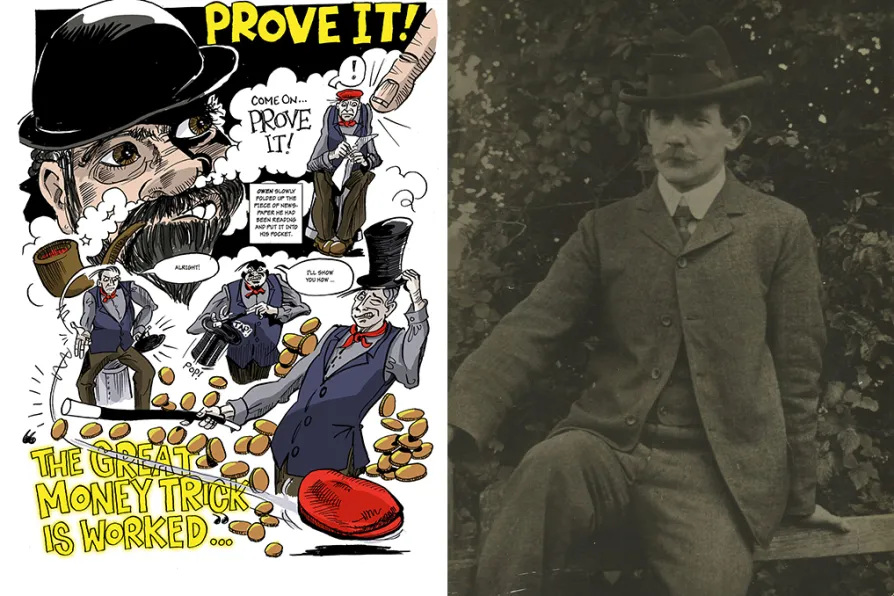
Renewed illusions in social democratic reformism are sprouting as a result of Andy Burnham’s rhetoric, but material conditions are already intruding into the debate, argues NICK WRIGHT

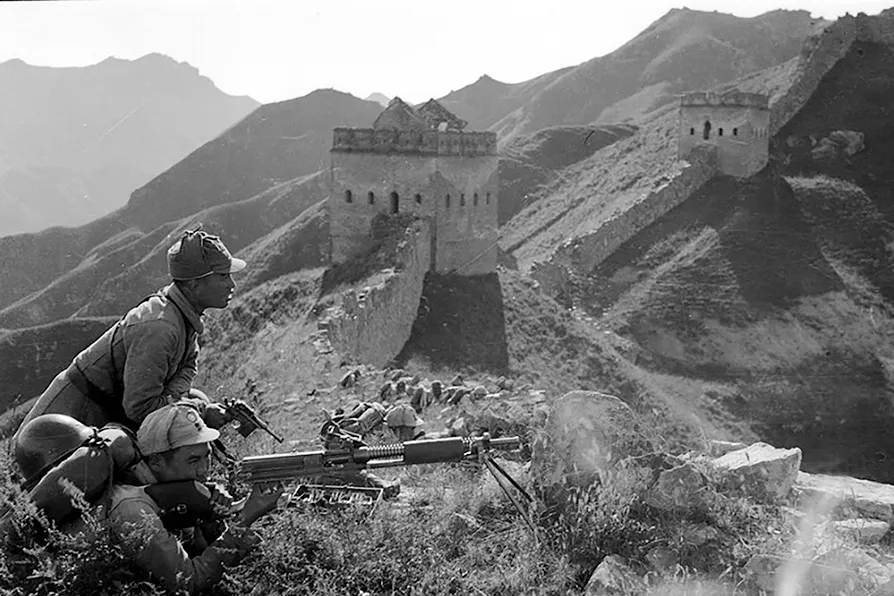
In Part 4 of her look at the Chinese revolution JENNY CLEGG addresses the relationship between the Peasant Movement and the National Movement
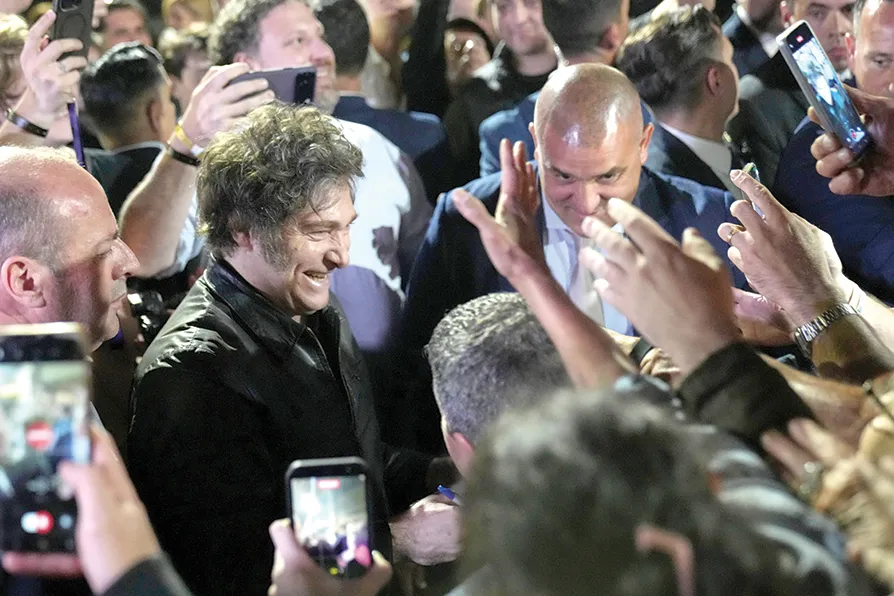
As six out of 10 Argentines don’t vote for Milei LEONEL POBLETE CODUTTI looks at the country’s real crisis that runs far deeper than just the ballot box