Committee for the Defence of the Iranian People’s Rights general secretary GAWAIN LITTLE discusses the impact of the US-Israeli war on the Iranian people and economy


 Latest editorial

The two kinds of social democracy
NICK WRIGHT looks at the problems Labour governments face
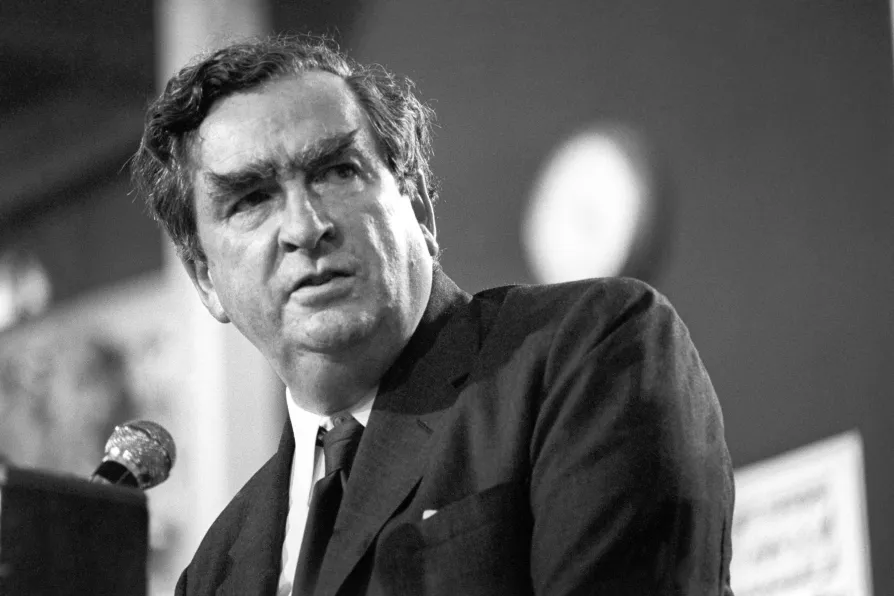 Former Labour Chancellor of the Exchequer Denis Healey

Capitalism has extracted itself from crisis before, argues PRABHAT PATNAIK – but through methods no longer available. So it is turning to authoritarianism, militarism and neocolonialism
The five young men killed in the A66 crash were responsible for a devastating tragedy — but the crash should force us to ask difficult questions about wider society, argues RENATA MEDEIROS MIRRA
Britain funds the policing of black culture 16 times better than the culture itself. The Diamond Jubilee is the moment to end that, argues CLAUDIA WEBBE
Despite Andy Burnham’s declaration defending the continued partition of the island, all major international and internal trends are converging to make Irish reunification inevitable
Humans are part of the ‘animal kingdom’ – and of nature in general – but also distinct from it and labour (work) is part of what makes us unique, declared Engels. His insights 150 years ago into how our species came to be and how we differ from the rest of nature, are as important today as they were then, says the MARX MEMORIAL LIBRARY





LABOUR’s chancellor of the exchequer Denis Healey is rightly regarded as a heavyweight among post-war politicians. An ardent communist at Oxford before the second world war, Healey was among the brightest of his generation — schooled in Marxist dialectics and the anti-fascist political culture of that era, trained by the Communist Party in a period when intellectuals were drawn to a party whose main cadres were factory workers and miners and whose heroes fought in the International Brigades.
His communism did not survive the war which saw him promoted through the ranks. He was demobbed as a major and, still in uniform, told delegates to the 1945 Labour Party conference: “the upper classes in every country are selfish, depraved, dissolute and decadent.”
The Cold War saw him as top functionary of the Labour Party’s international department at a time when this body marched in lockstep with British and US intelligence services as these organisations collaborated with the operatives of the Gehlen nazi intelligence apparatus in a futile effort to stem the advance of socialism in the countries that had been liberated by the Red Army. A not subsidiary function was to advise on the management of Britain’s colonies.

Similar stories

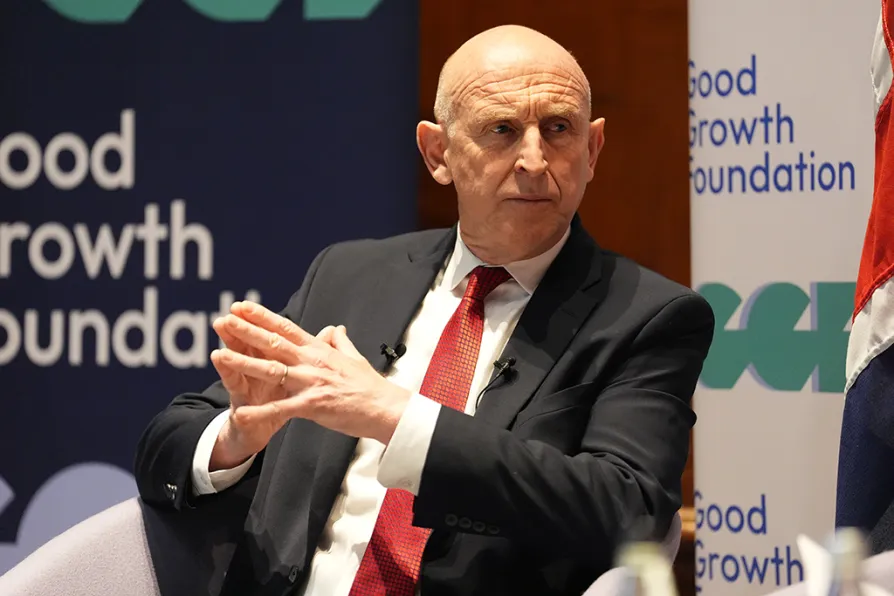
The defence secretary’s resignation reveals not a split over principle but a dispute over pace of military spending, as Britain’s political Establishment unites behind deeper Nato commitments, argues NICK WRIGHT
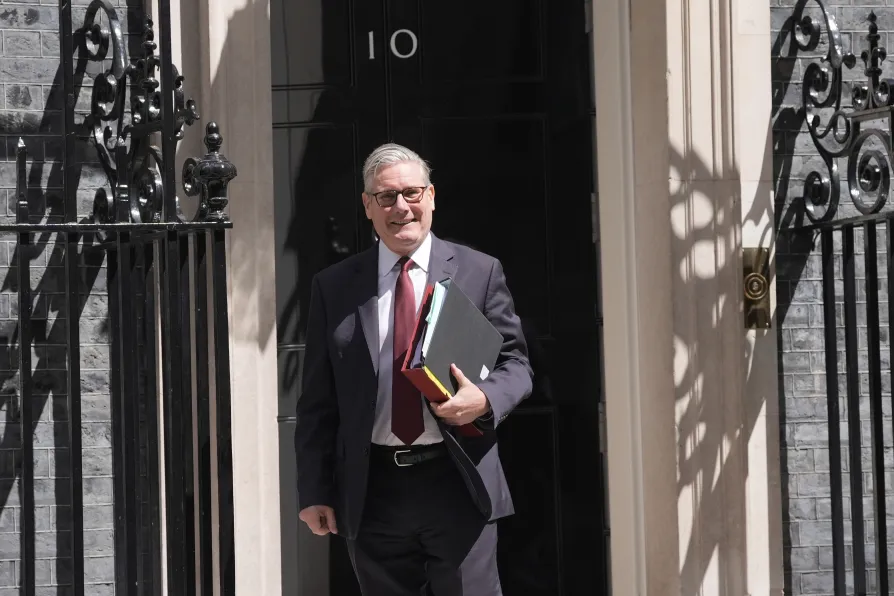
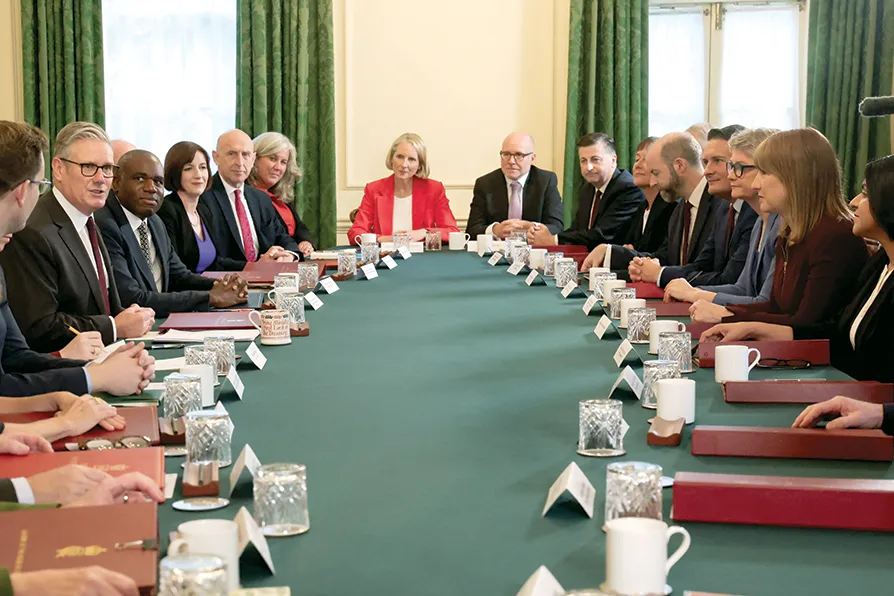
A ‘new phase’ for Starmerism is fairly similar to the old phase – only worse. ANDREW MURRAY takes a look