

 Latest editorial

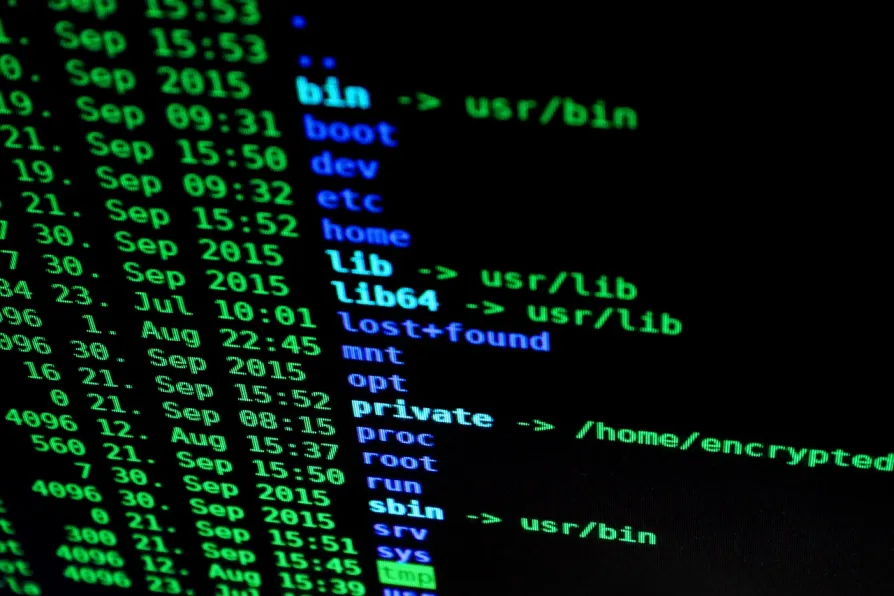






LAW enforcement agencies can access “eye-watering” amounts of personal information from suspects’ phones using secretive new technology, a data privacy group has warned.
Privacy International said that police forces around the world are increasingly using new tech known as cloud extraction to hack the phones of suspects, witnesses and victims in criminal investigations.
This allows users to obtain information from the cloud, a term widely used to describe data not stored on a user’s device but remotely on a third-party server.


Digital ID means the government could track anyone and then limit their speech, movements, finances — and it could get this all wrong, identifying the wrong people for the wrong reasons, as the numerous digital cockups so far demonstrate, warns DYLAN MURPHY

Politicians who continue to welcome contracts with US companies without considering the risks and consequences of total dependency in the years to come are undermining the raison d’etre of the NHS, argues Dr JOHN PUNTIS

ANDY HEDGECOCK admires a critique of the penetration of our lives by digital media, but is disappointed that the underlying cause is avoided

While claiming to target fraud, Labour’s snooping Bill strips benefit recipients of privacy rights and presumption of innocence, writes CLAUDIA WEBBE, warning that algorithms with up to 25 per cent error rates could wrongfully investigate and harass millions of vulnerable people