The National Education Union general secretary speaks to Ben Chacko on growing calls to protect children from a toxic online culture


 Latest editorial

The hunger strike that shook the British empire
From Catalonia, to New York, Bengal and Australia, the death of Irish revolutionary Terence MacSwiney in a British prison 100 years ago sent shock waves around the world, writes PAULINE MURPHY
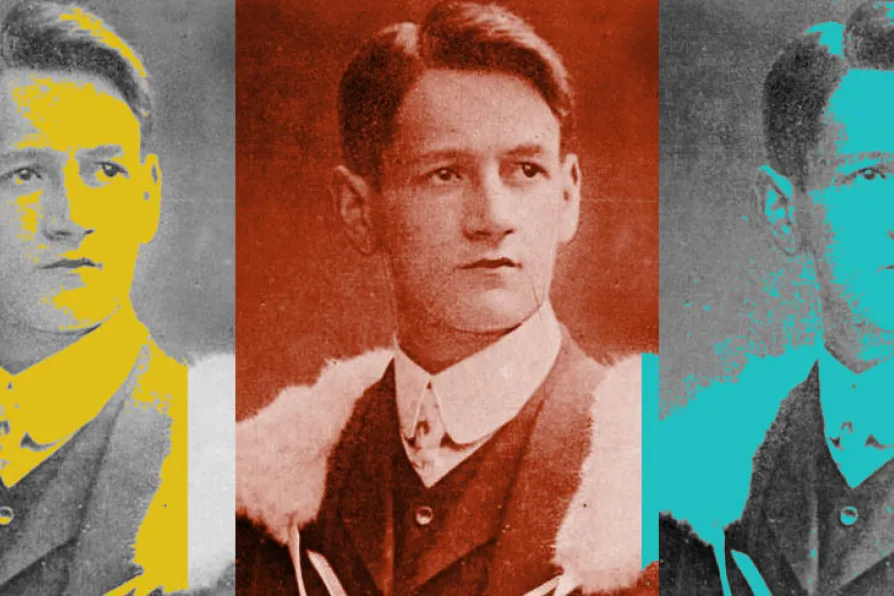 Terence MacSwiney was on hunger strike for 74 days

While Iranians take to the streets en masse to protest sky-high inflation, Trump and Netanyahu are threatening military intervention. The Iranian population is trapped between a repressive regime, a suffocating economic war from the outside, and a history of dark alliances, argues MARC VANDEPITTE
Unison Scotland’s BRENDA AITCHISON says her union won’t tolerate further cuts to public services
The Danish Communist Party’s Lotte Rortoft-Madsen assesses the fallout from US threats to annex the huge Arctic island
Trump threatens war and punitive tariffs to recapture Iranian resources – just as in 1953, when the CIA overthrew Mossadegh and US corporations immediately seized 40% of the oil, says SEVIM DAGDELEN
Once derided by Farage as a ‘fraud,’ Jenrick has defected to Reform, bringing experience and political ruthlessness to the populist right — and raising the unsettling prospect of a Farage-led movement with a seasoned operative pulling the strings, says ANDREW MURRAY





ONE HUNDRED years ago Ireland was in the midst of a war for independence.
British rule over Ireland was being challenged constitutionally by the Sinn Fein political party and challenged physically by the Irish Republican Army (IRA).
Terence MacSwiney was a democratically elected representative of Sinn Fein and commandant of the Cork IRA Brigade.

Similar stories
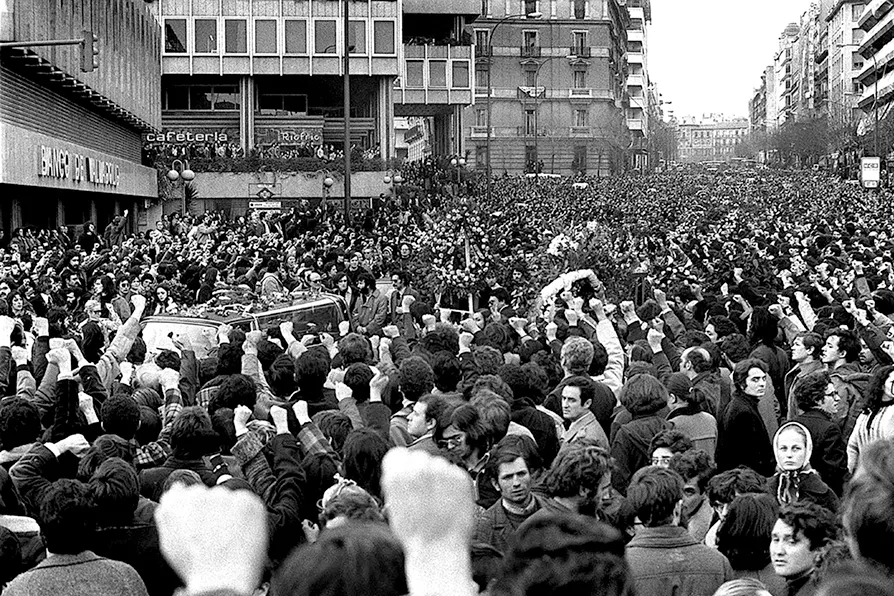
Spanish dictator Francisco Franco died 50 years ago today November 20. JIM JUMP looks back at his blood-soaked rule and toxic legacy on Spain today
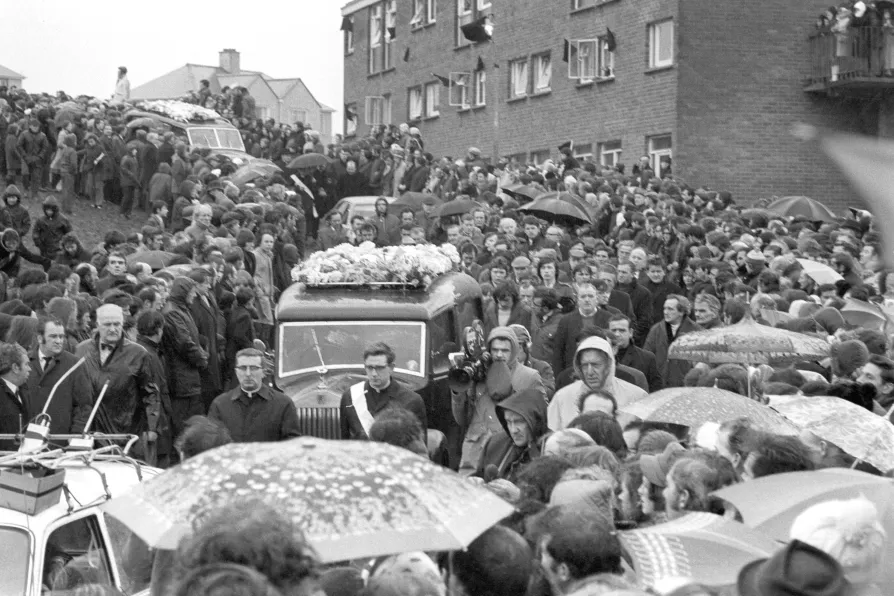
From colonialism to the Troubles, the story of England’s first colony is one of exploitation, resistance, and solidarity — and one we should fight to ensure is told, writes teacher ROBERT POOLE
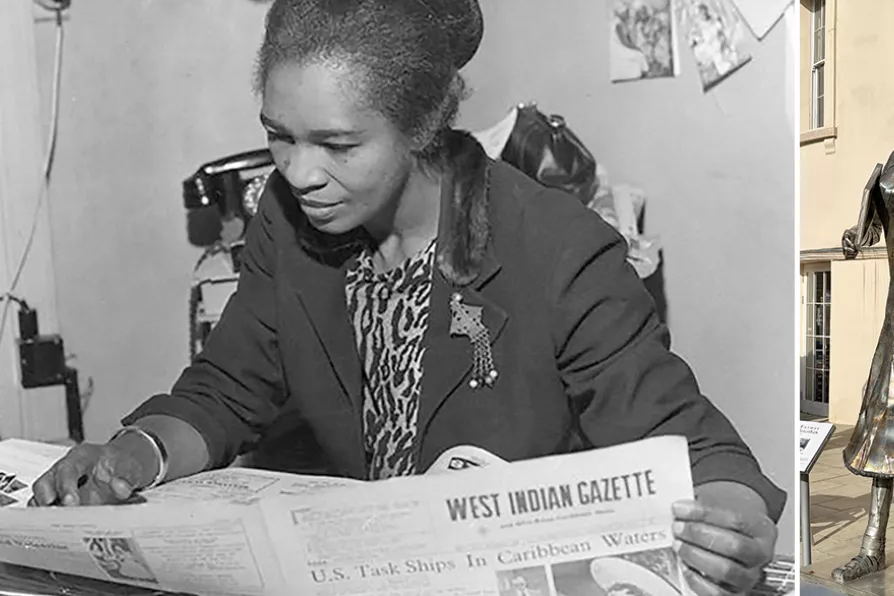
DAVID HORSLEY points to the continued relevance of an inspirational black communist whose 110th birthday anniversary will be celebrated on Sunday

Anti-fascists from around the world will soon be travelling to Spain to commemorate the International Brigades and walk in the footsteps of the bravest of their generation, writes LYNNE WALSH