
ROB WARZYNIAK wades knee deep through a pile of ‘dead canaries’ of Trumpist policies which exacerbated the horrors of US capitalism domestically


The most militaristic government for over 30 years puts us all at risk
With the Prime Minister planning to lift the cap on the number of nuclear warheads by 44%, it’s clear that increasing militarism cannot be regarded as a side issue, says SYMON HILL
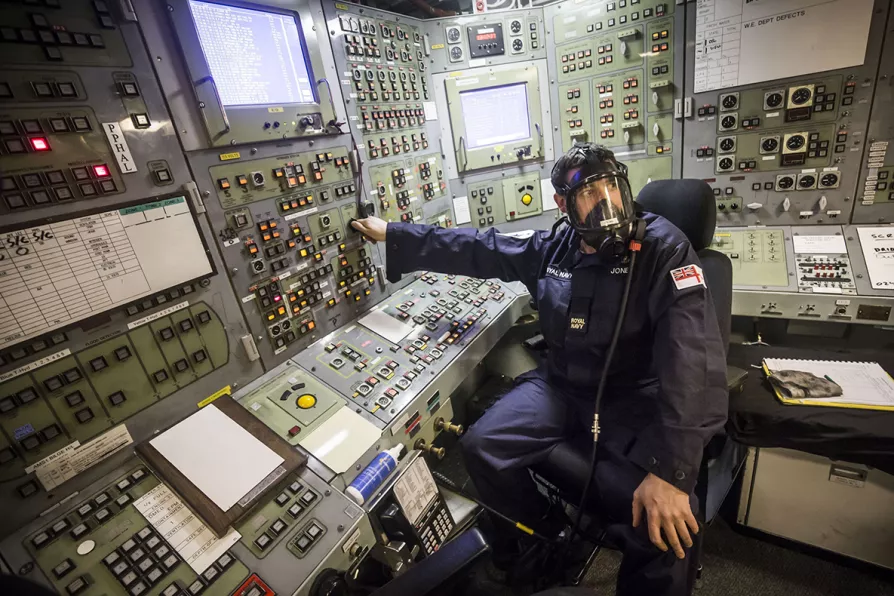
 A technician on a nuclear submarine

Without evidence or Nato consultations Berlin’s answer to the Leipzig incident is a rupture of relations. SEVIM DAGDELEN examines why
FRANCISCO DOMINGUEZ introduces the background to a conference on defending Latin America’s sovereignty
The glacier collapse in Nepal is yet another warning that a warming planet is making Himalayan disasters more frequent and destructive – but the countries facing the greatest risks are often those least responsible, says LI YANG
Nick Blair is set to benefit from a hugely lucrative contract to ‘virtually’ train the British army for its next war. Like father, like son, writes SOLOMON HUGHES
Even when tragedy strikes, Western media cannot resist the opportunity to turn it into a sordid propaganda opportunity, as the Nepal-China border tragedy shows, writes CARLOS MARTINEZ
Trade unions should be at the heart of the anti-racist push for reparations for the historic legacy and continuing impact of slavery, writes ROGER McKENZIE





BRITAIN now has its most militaristic government since the 1980s.
Despite yesterday’s headlines about reductions in troop numbers, the military machine is not being cut nor its power reduced. The reverse is true.
Along with the cut to army numbers — from about 80,000 regulars to 70,000 — comes the multibillion-pound funding of several new “defence” schemes, including a new submarine project and a fleet of A400M aircraft.

Similar stories
PM commits to blowing millions on nukes

SOPHIE BOLT argues that spending more on military will harm rather than benefit Britain by diverting vital resources away from essential public services

We need a government that invests in saving lives not destroying them, argues SOPHIE BOLT