 Latest editorial
EWAN CAMERON picks out two fascinating music shows, fusing the Korean, and the Celtic, with the modern



A woman of peace and the people
Jenny Farrell pays tribute to the great German artist and sculptor KATHE KOLLWITZ

BENJAMIN POTHIER suggests that Palaeolithic cave paintings in Spain point to the ceremonial use of hallucinogenic flora
The bard confirms that the right has a humour bypass, and replays the English Revolution on period instruments
MARIA DUARTE and ANDY HEDGECOCK review Sunny Dancer, Tony, Songs of Forgotten Trees, and The End of Oak Street
JOHN GREEN relishes a powerful and moving drama that explores the lived realities of west London’s Punjabi community
MARTIN HALL welcomes a plea for greater compassion between believer and non-believer via the framework of philosophical enquiry





KATHE KOLLWITZ’S work reflects the events of the first half of the 20th century yet she continues to stand tall among anti-war artists and champions of the dispossessed of the present time.
Kollwitz broke completely with bourgeois aesthetics and made the subjugated and humiliated working class her sole artistic subject. Her work eloquently expresses the force, resistance and humanity of this class. Very often, she focuses on individuals or small groups who exemplify the fate of thousands, balancing their misery with dignity and human kindness.
This year marks the 150th year since her birth in Kaliningrad. The daughter of a bricklayer who recognised his daughter’s artistic talent early on, she was barred from studying art as a woman in her hometown and moved to Berlin and Munich to pursue her education.

Similar stories
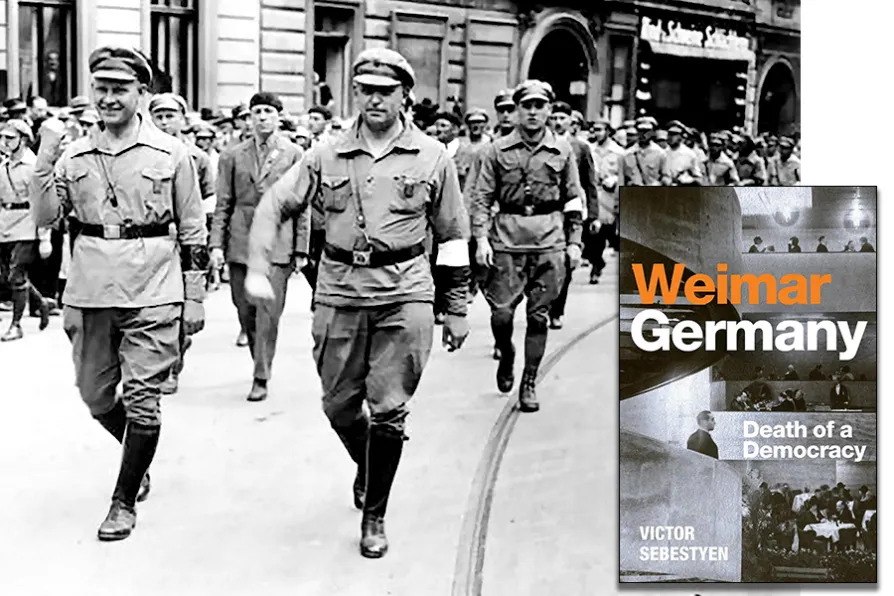
GORDON PARSONS recommends an entertaining account of the years between Germany’s defeat in WWI and Hitler’s seizure of power
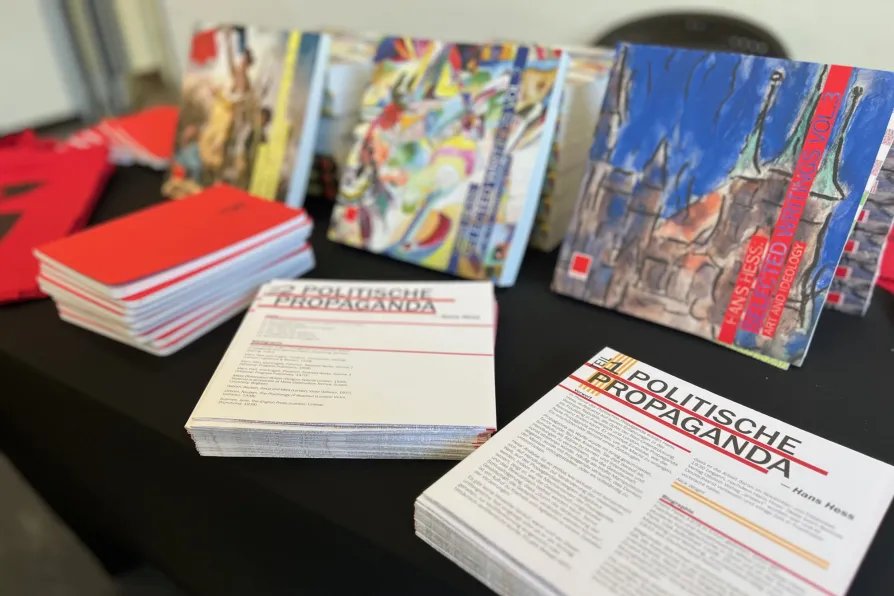
CHRISTOPHE IMMER of the Morning Star’s German sister paper Junge Welt reports on a Berlin conference on the politics of art and the legacy of Marxist critic Hans Hess

NICK MATTHEWS recalls how the ideals of socialism and the holding of goods in common have an older provenance than you might think
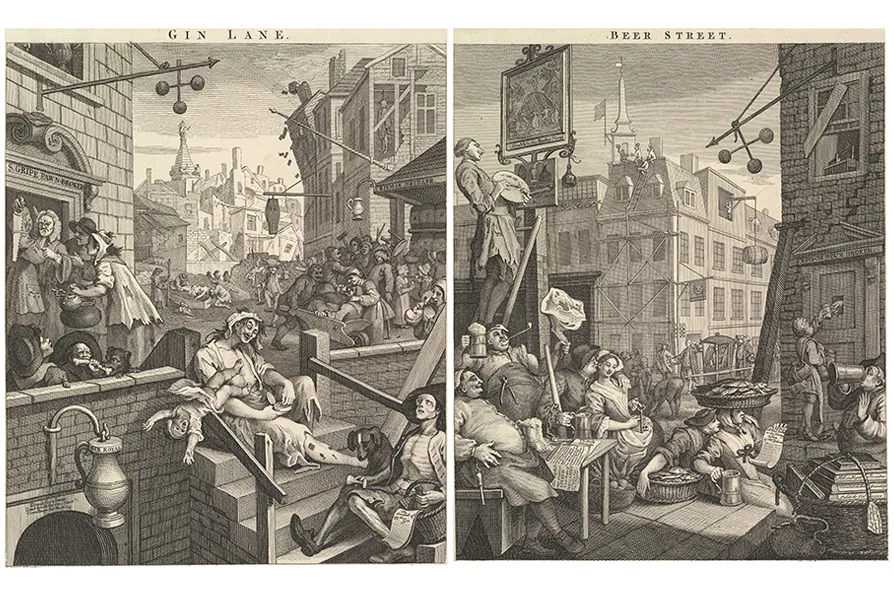
Gin Lane by William Hogarth is a critique of 18th-century London’s growing funeral trade, posits DAN O’BRIEN