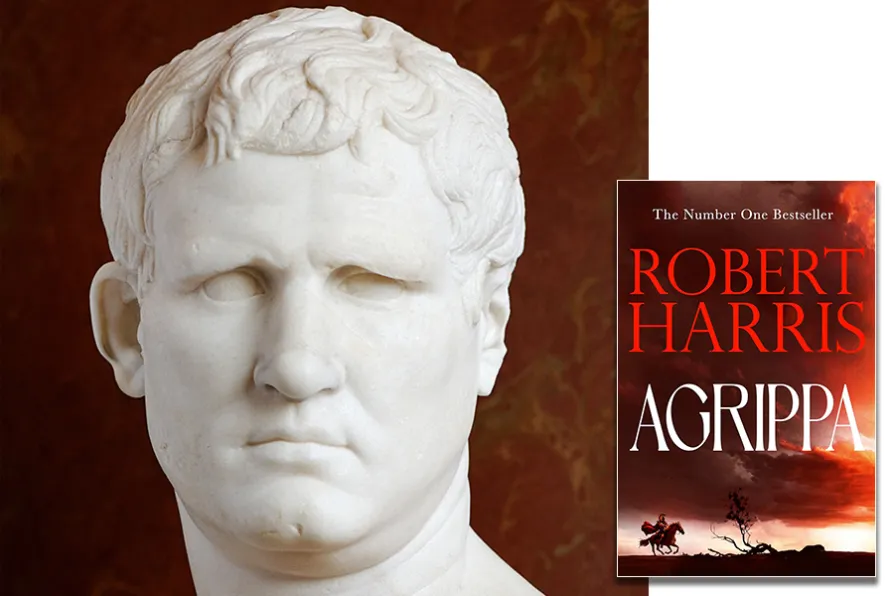
CATHERINE STEEL relishes a compelling novel about Augustus’s right hand man, but misses the politics, the cultural shifts, and more detail about his restoration of Rome


 Latest editorial

Misty roots to virus of racism
Arinze Kene's extraordinary new play is a mordant account of the prejudice black Londoners suffer, says KATHERINE M GRAHAM

TONY BURKE speaks to JOEL McIVER, co-author of the biography of bluesman John Mayall
A misfit couple unhappily ever after, a dead man walking, dodgy journos, and trench art trucking
New releases from Javon Jackson, IZE Trio, and Mal Waldron Trio
PAUL DONOVAN applauds an intriguing multi-layered depiction, dominated by a stunning impersonation of Marilyn herself
EWAN CAMERON marvels at the impossible ambition, realised with dreamlike finesse of translating Italo Calvino to the stage





Misty
Bush Theatre, London
THERE are two burning questions at the heart of Arinze Kene’s extraordinary play Misty — what is a “black” play and what does it mean to write one?
Kene, who also performs in this visceral production, tells the story of a black man who gets into a fight with a drunk white male passenger on a London bus and his anger and sense of ostracism informs his narrative about institutional, structural violence.
But his friends Raymond and Donna chastise him for writing the kind of work that “white audiences are interested in seeing about black people,” a play about “black trauma.”
At the core of the story is the representation of the capital as a living body, with the boroughs organs, the roads capillaries and the people blood cells and, at the opening, Kene draws the audience into an image that momentarily appears beautiful.
Yet that’s only fleeting. Not all people are blood cells and the black man is a “virus.”
The image, shocking and powerful, is an indictment of London’s race politics. Just as the capital lives and breathes, so does Kene’s central image and, as the story progresses, there's a radical shift. Suddenly white people become the virus, with gentrification ripping communities from neighbourhoods and homes and destroying small businesses.

Similar stories
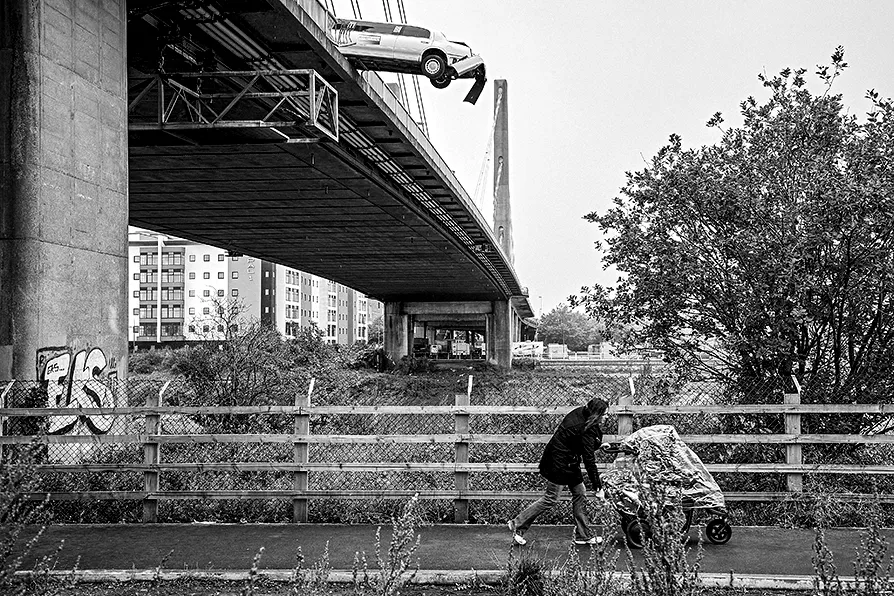
CHRIS SEARLE welcomes a startling vision of contemporary Newport from a veteran photographer of the British working class
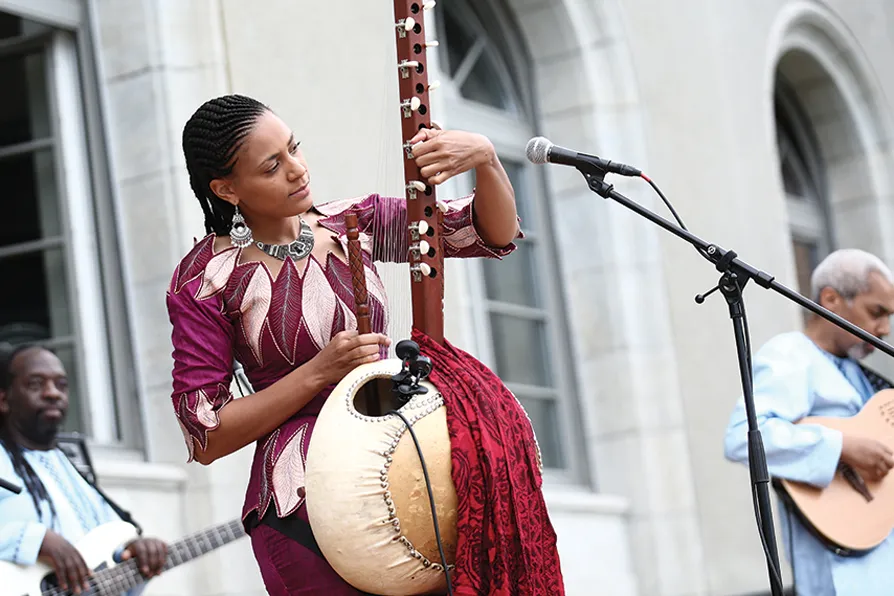
ROGER McKENZIE draws attention to the much-neglected oral traditions of the global South that define the identity – and therefore the liberation – of its custodians

ANDY HEDGECOCK is astonished by a portrait of contemporary Greece, complete with political protest, organised crime and people trafficking, told from the point of view of — wait for it — runaway poultry
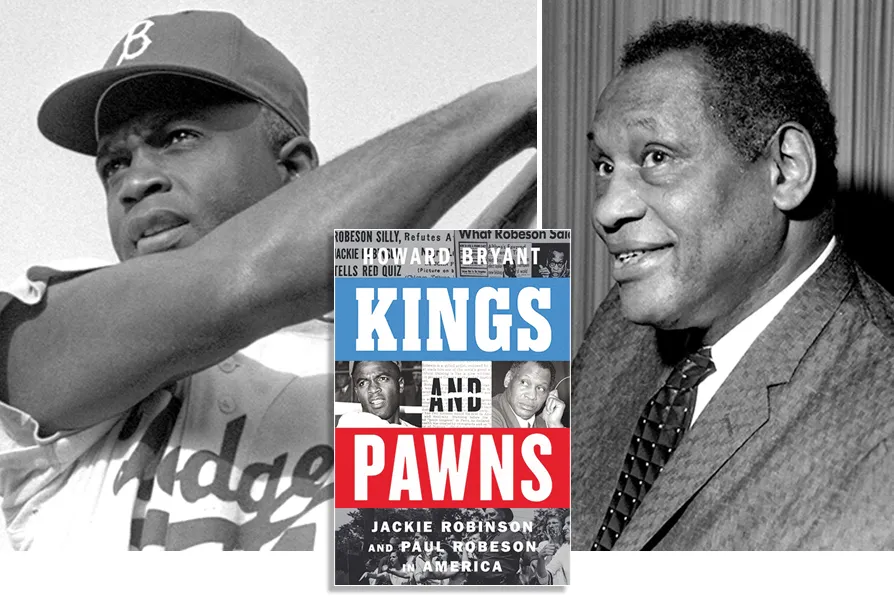
RON JACOBS recommends a book that charts the disparate circumstances that defined the lives of two prominent black Afro-Americans — one a communist, the other an anti-communist