
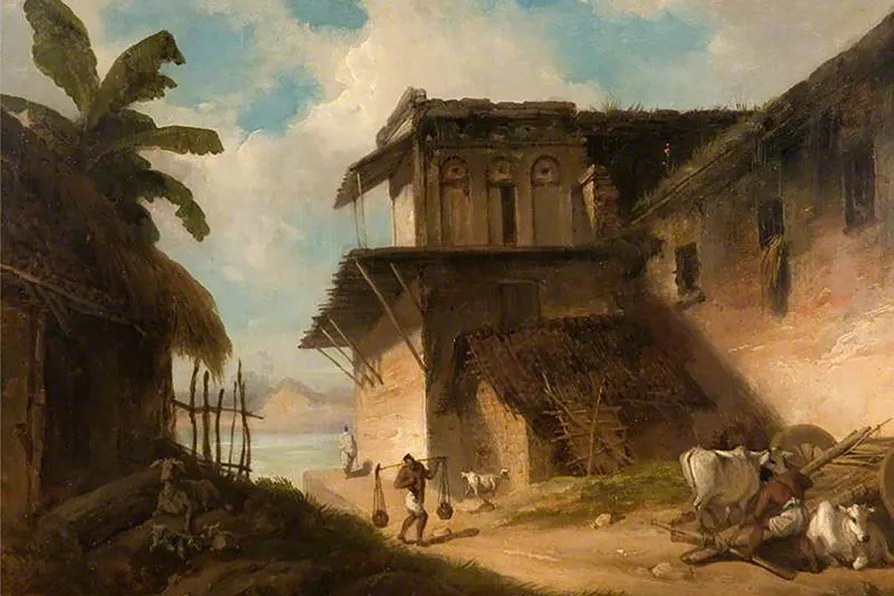
APURBA CHATTERJEE explains how British artists in India used the “picturesque” to reshape colonial landscapes and celebrate imperial power


A purpose to pleasure
Tate Liverpool's exhibition reveals the brilliance of Fernand Leger, one of the great painters of realist political art, says CHRISTINE LINDEY
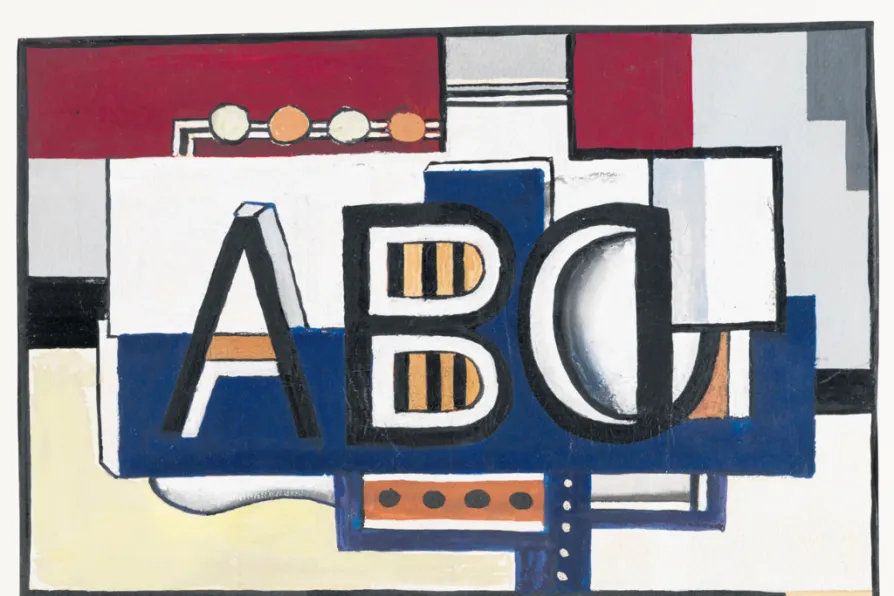
 ABC by Fernand Leeger, 1927
PAUL DONOVAN welcomes a revival of Reginald Rose’s classic play that reminds us of the fundamental need for trials with juries
SIMON PARSONS applauds an exceptional performance of Wesker’s little-known play, by the same actor for whom it was written 45 years ago
ANDY HEDGECOCK and MARIA DUARTE review Late Fame, The Death of Robin Hood, Leviticus, and Gail Daughtry and the Celebrity Sex Pass
ANGUS REID recommends a uniquely accomplished documentary collage that contemplates our relation to the natural world
GORDON PARSONS enjoys Kant’s ‘mind-boggling’ theory of human reality: that we create the reality we experience





FERNAND LEGER (1881-1955) grasped life with insatiable optimism and a passion for ideas. He was born in Normandy to a belligerent cattle merchant who died during his early childhood, leaving an impoverished widow. She apprenticed the 16-year-old Leger to an architect, but, in 1900, he fulfilled his desire to study art in Paris, by supporting himself as an architectural draughtsman.
He had grasped the full significance of the recent revolutionary Cubist and Futurist innovations and used them to convey the modernity of urban life, with its simultaneous cacophony of sounds, speeding motorised vehicles and visual stimulation.

Similar stories
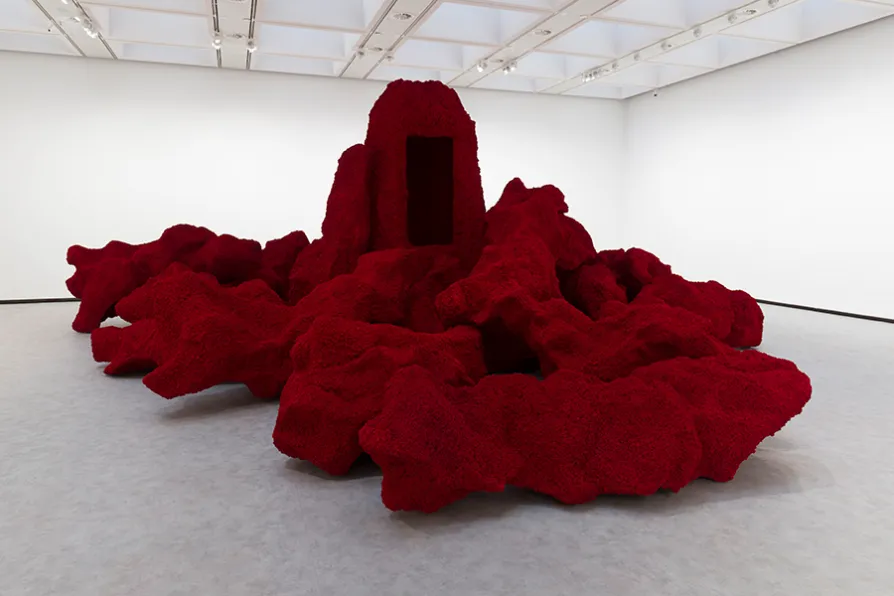
SIMON DUFF is thrilled by a visceral, no-holds-barred exploration of the expressive powers of raw material
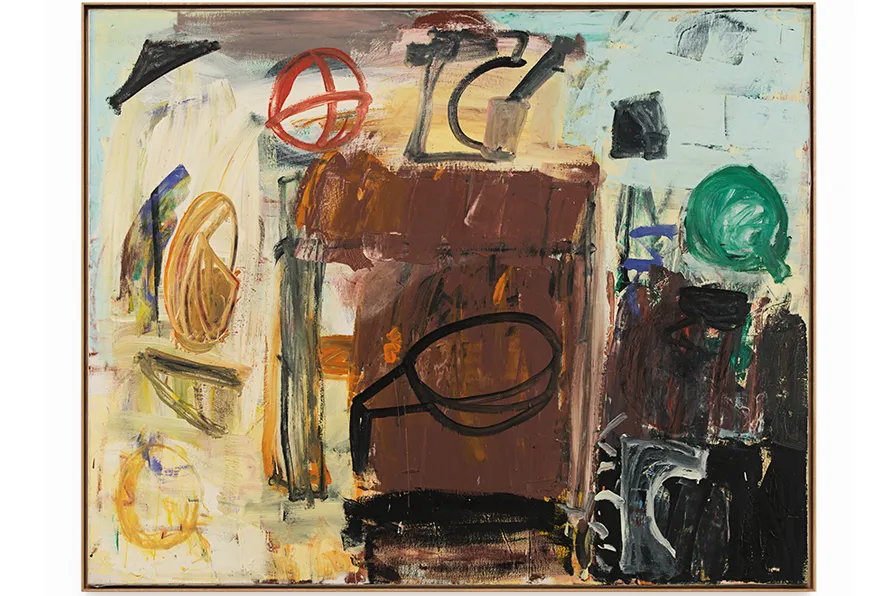
MIRANDA RICHMOND relishes the gloriously liberated art of Roy Oxlade, and traces his method back to the thinking of David Bomberg, his acknowledged teacher
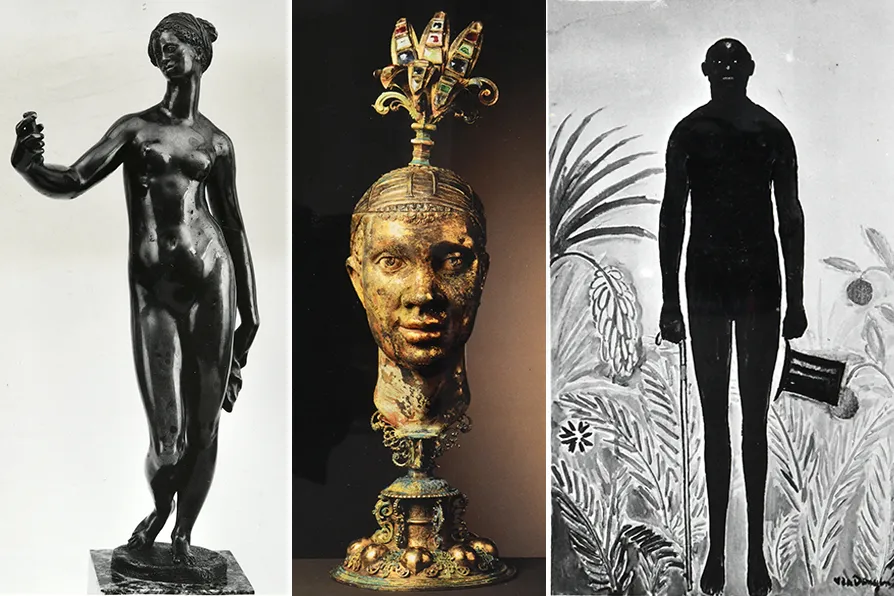
KEVIN DONNELLY accepts the invitation to think speculatively in contemplation of representations of people of African descent in our cultural heritage
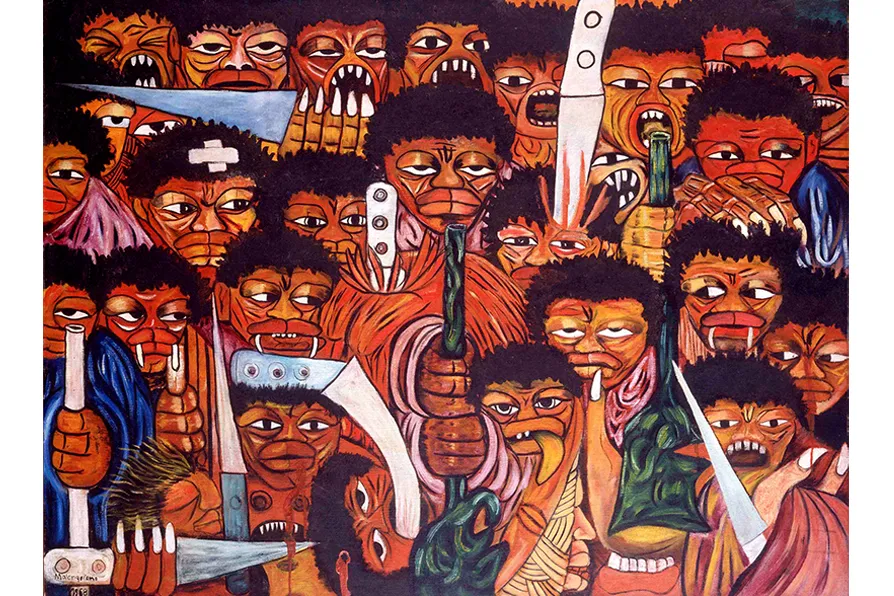
JOHN GREEN welcomes a remarkable study of Mozambique’s most renowned contemporary artist