MARIA DUARTE, JOHN GREEN and ANGUS REID review Power Ballad, Landmarks, My Mother’s Wedding, and Fairyland


 Latest editorial
The Golden Age of Slavery
CAROLINE FOWLER explains how the slave trade helped establish the ‘golden age’ of Dutch painting and where to find its hidden traces
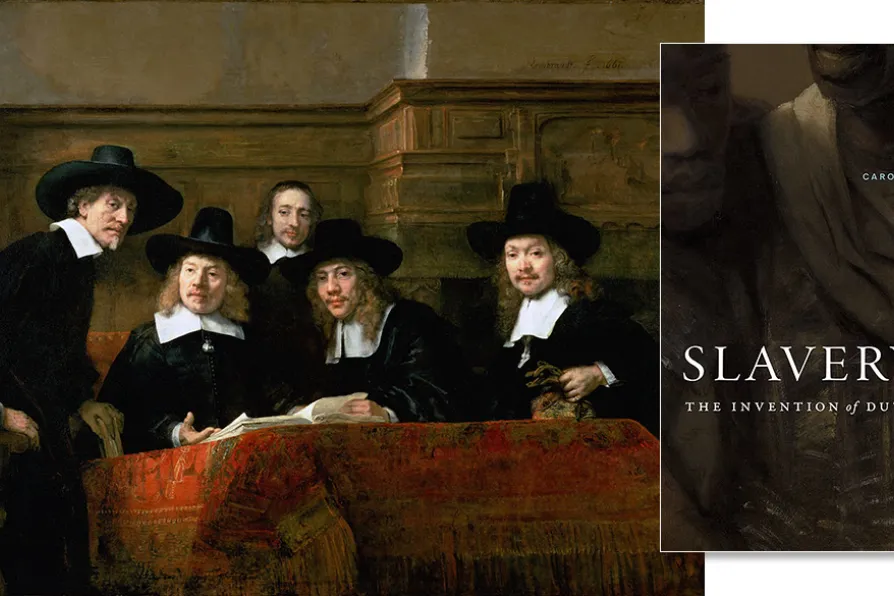 GUILTY PARTIES: Rembrandt Van Rijn (1606-1669), Syndics of the Draper’s Guild (1662)
[Rijksmuseum Amsterdam/CC]
GUILTY PARTIES: Rembrandt Van Rijn (1606-1669), Syndics of the Draper’s Guild (1662)
[Rijksmuseum Amsterdam/CC]

GORDON PARSONS is disappointed by Kenneth Branagh’s lightweight Prospero in an ambitious rendition of the play
Chris Searle speaks to bassist PAUL ROGERS
MARJ MAYO recommends a well illustrated and very positive account of an extraordinary period in local government history
RITA DI SANTO takes us through the prize winners, and takes the temperature of a festival that prioritised narratives of exile, state violence and class division
MIRANDA RICHMOND relishes the gloriously liberated art of Roy Oxlade, and traces his method back to the thinking of David Bomberg, his acknowledged teacher





Slavery and the invention of Dutch Art
Caroline Fowler, Duke University Press, £28.24
THE earliest paintings that would be called Dutch were predominantly religious. They were made for Christian devotion. In the 1500s, major divisions in the church led to a fragmentation of Christianity called the Reformation.
In this new religious climate, artists began to create new types of paintings, studying the world around them. They included landscapes, seascapes, still lives, and interior scenes of their homes. Instead of working for the church, many painters began to work within an art market. There was a rising middle class that could afford to buy paintings.
Historically, this period in Dutch economic prosperity has been called the “golden age.” This is when many of the most famous Dutch painters worked, such as Rembrandt van Rijn and Johannes Vermeer.

Similar stories
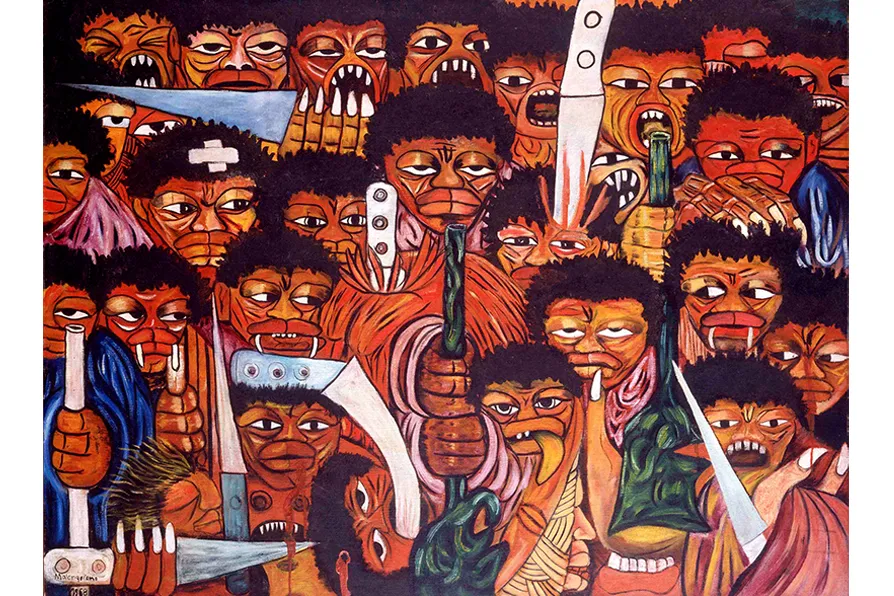
JOHN GREEN welcomes a remarkable study of Mozambique’s most renowned contemporary artist
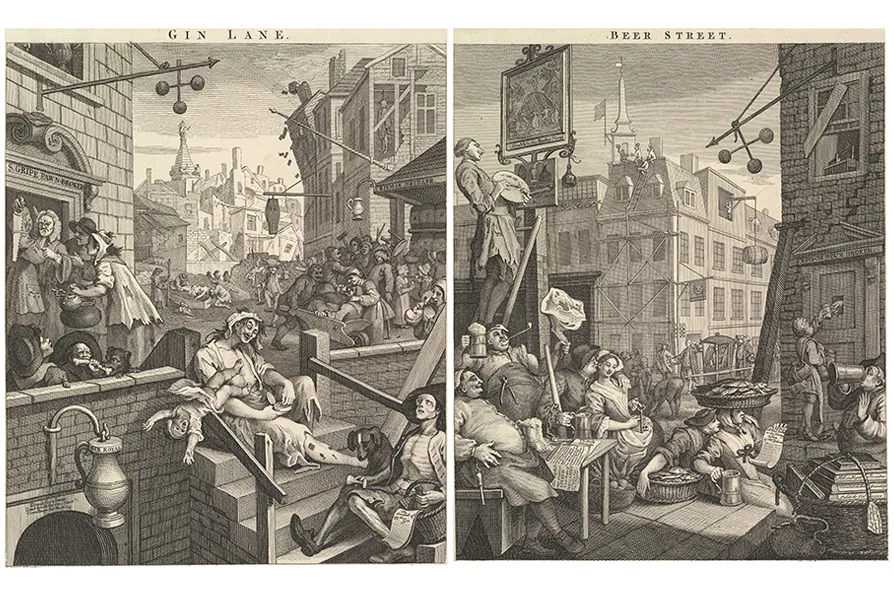
Gin Lane by William Hogarth is a critique of 18th-century London’s growing funeral trade, posits DAN O’BRIEN
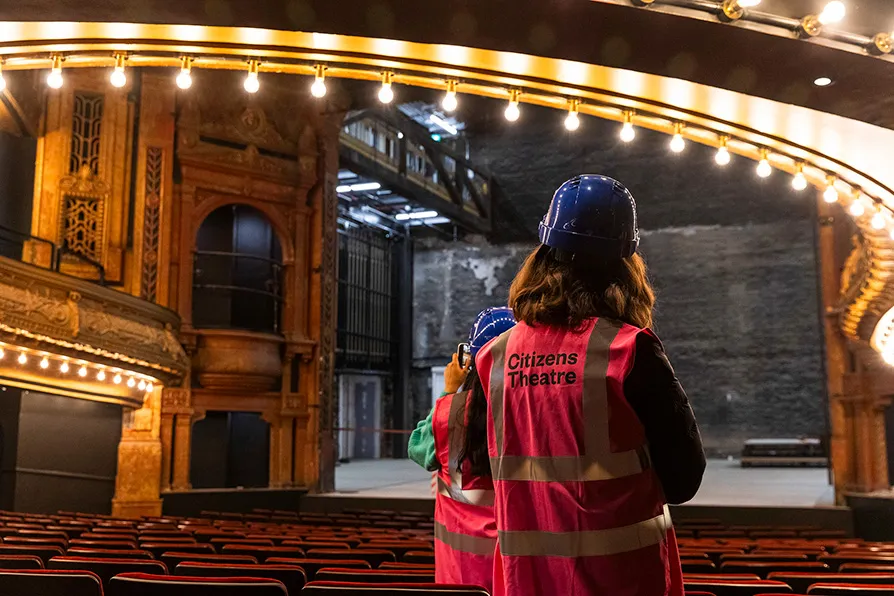
ANDREW FILMER welcomes the reopening of Glasgow’s landmark theatre after a seven-year transformation
BLANE SAVAGE recommends the display of nine previously unseen works by the Glaswegian artist, novelist and playwright