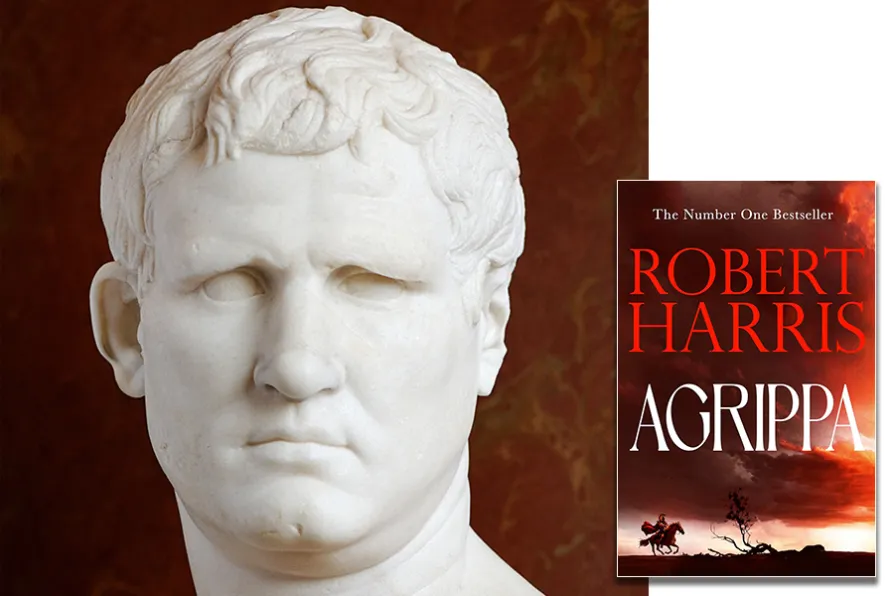
CATHERINE STEEL relishes a compelling novel about Augustus’s right hand man, but misses the politics, the cultural shifts, and more detail about his restoration of Rome


 Latest editorial

‘Art is about subverting what we think we know’
Paul Simon talks to award-winning writer, thinker and publisher MARTIN GOODMAN about what's inspired his new novel and current trends in left-wing literature
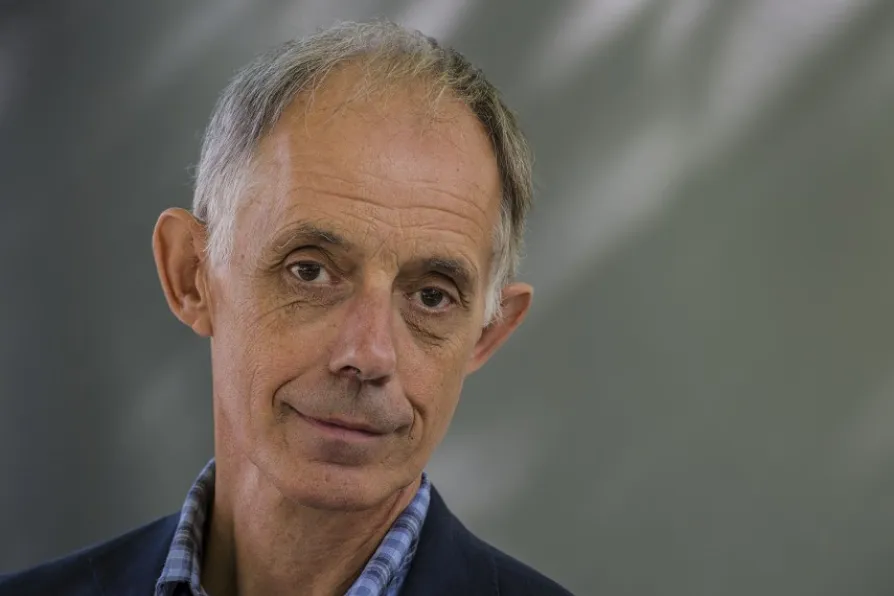 Creature of narrative: Martin Goodman
TONY BURKE speaks to JOEL McIVER, co-author of the biography of bluesman John Mayall
A misfit couple unhappily ever after, a dead man walking, dodgy journos, and trench art trucking
New releases from Javon Jackson, IZE Trio, and Mal Waldron Trio
PAUL DONOVAN applauds an intriguing multi-layered depiction, dominated by a stunning impersonation of Marilyn herself
EWAN CAMERON marvels at the impossible ambition, realised with dreamlike finesse of translating Italo Calvino to the stage





Your latest novel JSS Bach is about the generational implications of the Holocaust and garnered praise from the Morning Star as “a masterful, wonderful novel.” How did you come about writing it and what did you draw on?
The basic idea slammed into me while walking in the mountains. In a bid to keep close to historical record, most literary references were non-fiction, mounds of history and memoirs from Ruth Kluger. Laurent Binet’s HHhH touched it a little and other references were derived from site visits – Dachau, a week in Auschwitz, walking through Terezin. WG Sebald shows how you have to walk your way through history.
The novel is the story of of three generations of women living through the horrors of 20th-century German history. In it, a Jewish family is linked to a nazi adjutant at Dachau concentration camp through a shared love of music. How challenging was it to write “another” account of the Holocaust? What were you keen to do differently or avoid?

Similar stories
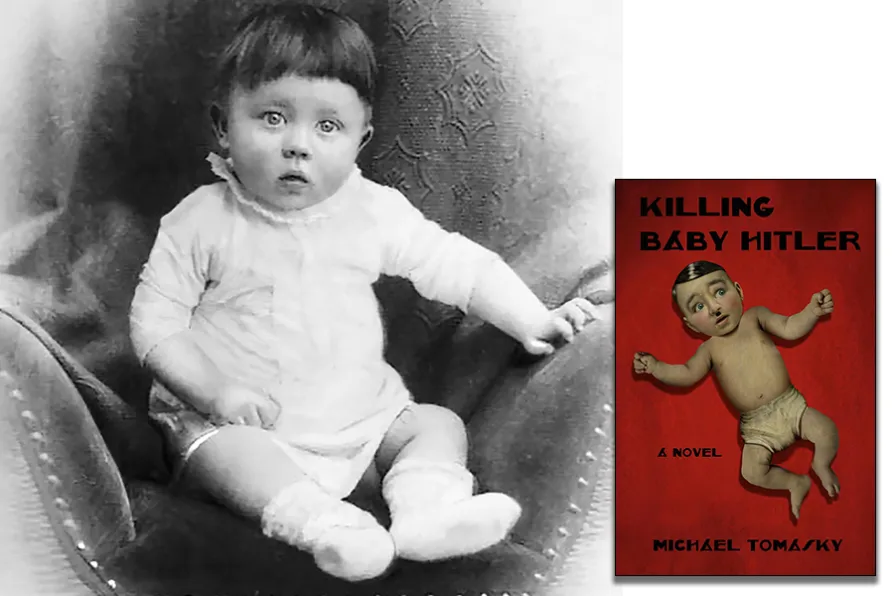
GORDON PARSONS is intrigued by a pessimistic novel in which Hitler is removed from history, to little effect

FIONA O’CONNOR questions the achievement of this year’s Orwell prize winner for political fiction
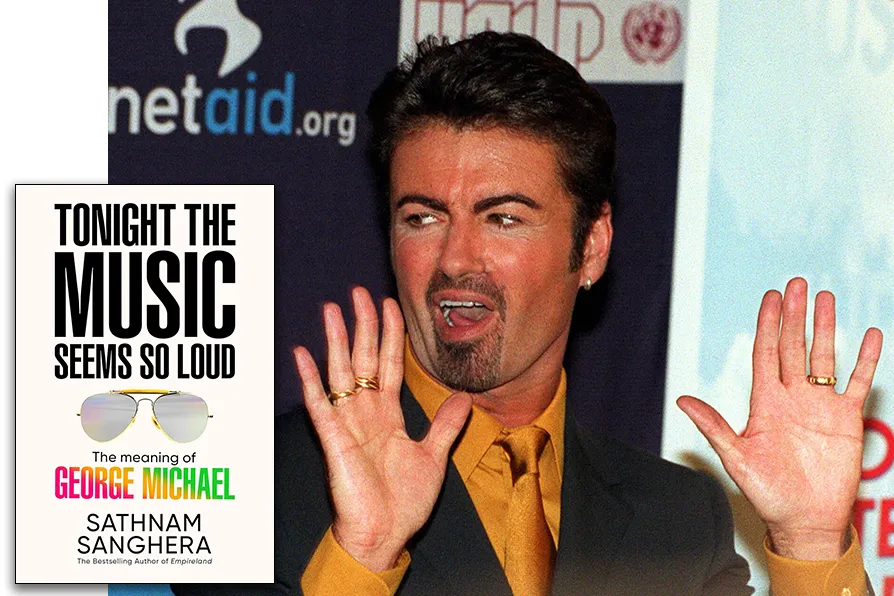
GLENN FOSBRAEY recommends a biography worth reading for both existing George Michael fans and those yet to be converted
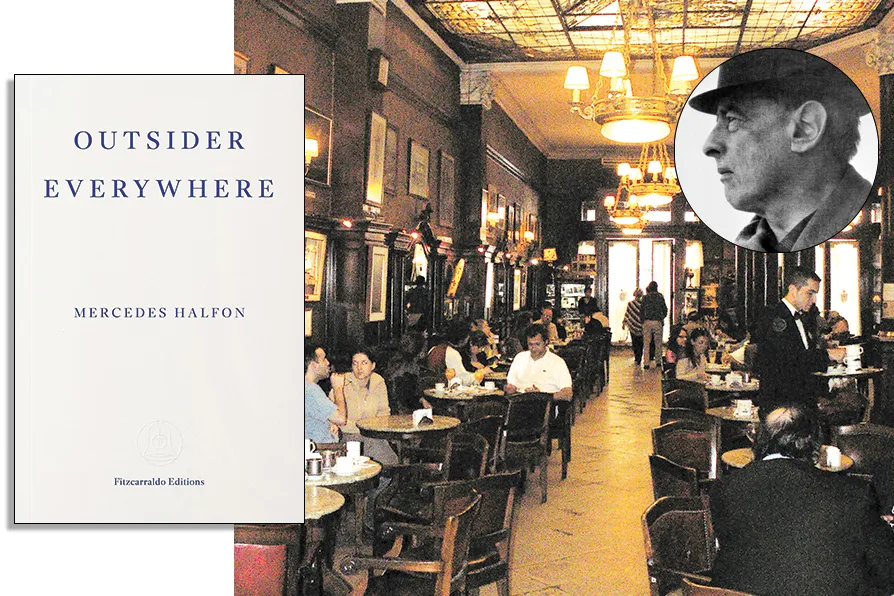
CHRIS MOSS joins the hunt in Argentina for the works of Poland’s most enigmatic exile