Committee for the Defence of the Iranian People’s Rights general secretary GAWAIN LITTLE discusses the impact of the US-Israeli war on the Iranian people and economy


 Latest editorial

Afghanistan, graveyard of the empires
Drawing on his own experiences travelling the country during its 14 years of socialism under siege, NICK WRIGHT writes that the idea of Afghanistan as an ungovernable maelstrom of chaos is a purely the creation of Western imperialism
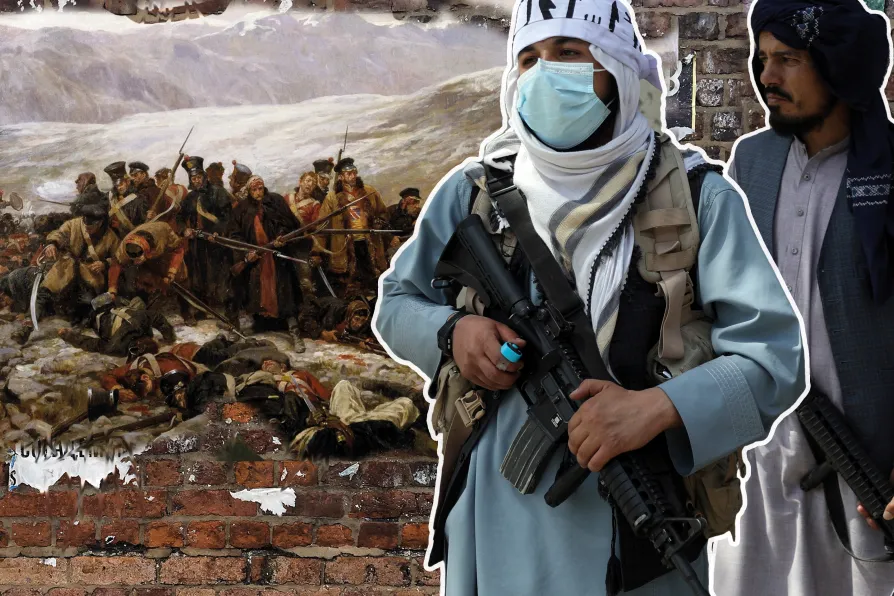 The air raids, drone strikes and military excursions over the years have embittered Afghans to the various occupying powers and in many cases government forces and clan militias swiftly reached local deals, essentially power-sharing arrangements which reflect long-standing local realities
Capitalism has extracted itself from crisis before, argues PRABHAT PATNAIK – but through methods no longer available. So it is turning to authoritarianism, militarism and neocolonialism
The five young men killed in the A66 crash were responsible for a devastating tragedy — but the crash should force us to ask difficult questions about wider society, argues RENATA MEDEIROS MIRRA
Britain funds the policing of black culture 16 times better than the culture itself. The Diamond Jubilee is the moment to end that, argues CLAUDIA WEBBE
Despite Andy Burnham’s declaration defending the continued partition of the island, all major international and internal trends are converging to make Irish reunification inevitable
Humans are part of the ‘animal kingdom’ – and of nature in general – but also distinct from it and labour (work) is part of what makes us unique, declared Engels. His insights 150 years ago into how our species came to be and how we differ from the rest of nature, are as important today as they were then, says the MARX MEMORIAL LIBRARY





“A WAR begun for no wise purpose, carried on with a strange mixture of rashness and timidity, brought to a close after suffering and disaster, without much glory attached either to the government which directed, or the great body of troops which waged it. Not one benefit, political or military, was acquired with this war. Our eventual evacuation of the country resembled the retreat of an army defeated.”
Thus, in 1843, GR Grieg, chaplain to the British Army wrote of the empires’s catastrophic defeat in the First Afghan War as an expeditionary force of 4,500 military personnel and over 12,000 camp followers fled Kabul to Jalalabad. Barely a handful survived.
The regional balance of power fell to the Russian empire and in 1878, the British invaded again and again in 1897. Britain went to war in Afghanistan again in 1919.

Similar stories
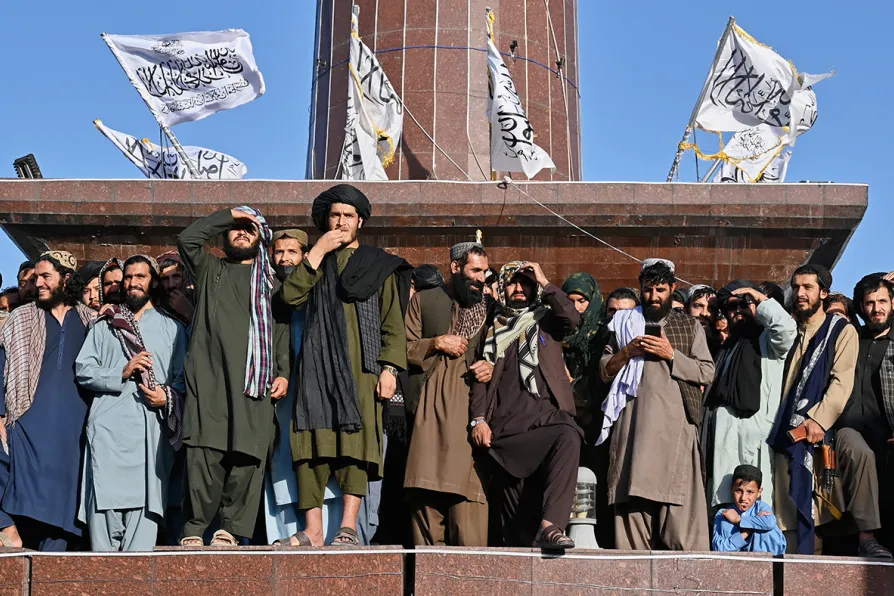
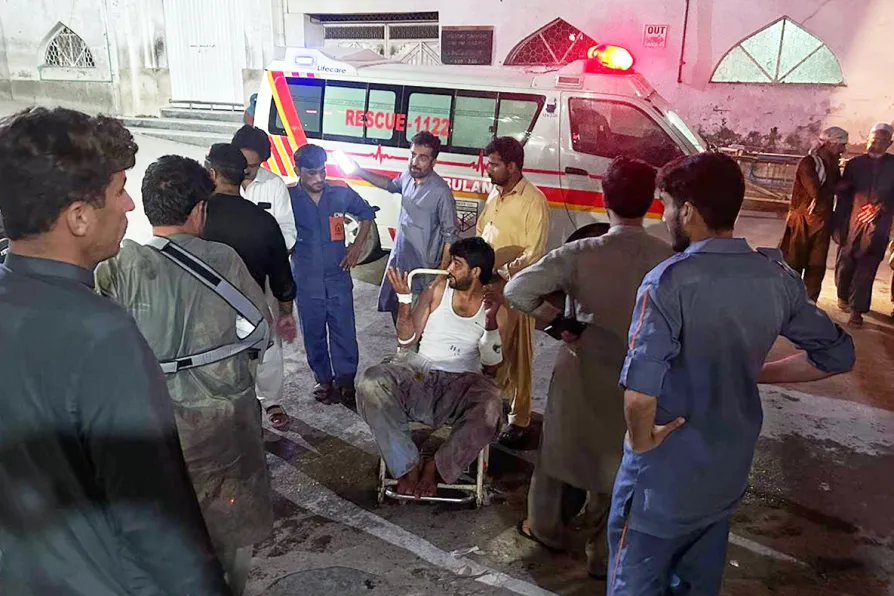
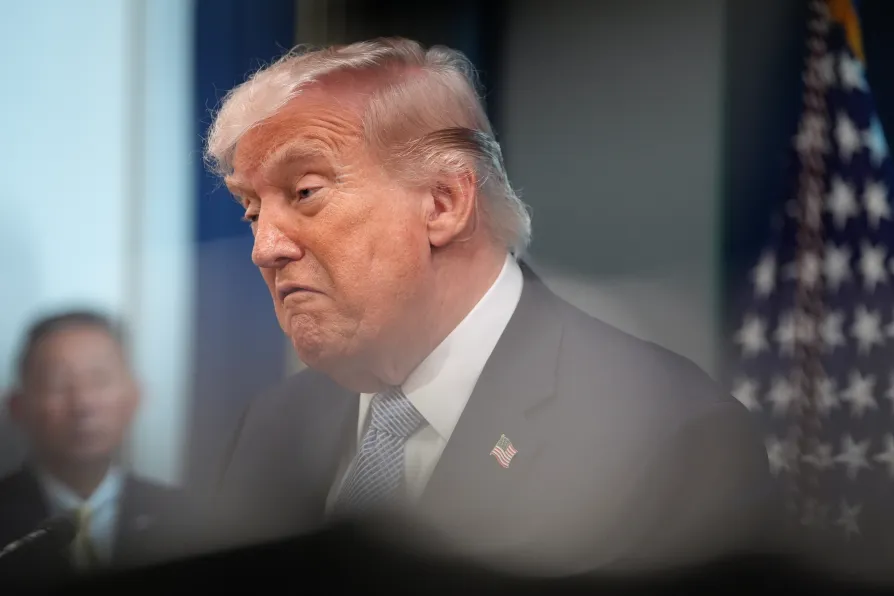
Washington’s response to a downed jet shows a superpower still reaching for overwhelming force even as its wars repeatedly fail, says NICK WRIGHT
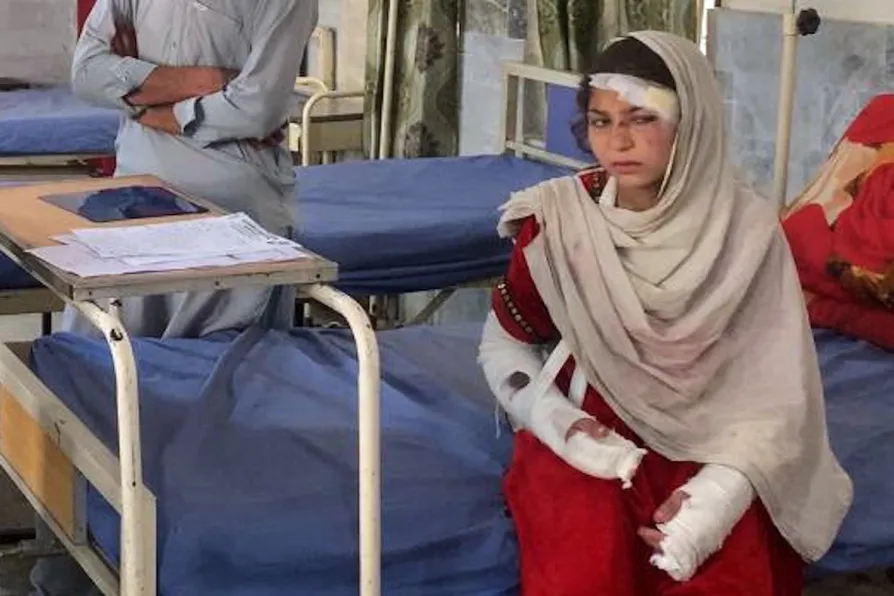
Afghan women living under the Taliban are navigating a system that makes their public existence conditional on male approval, writes SHUKRIA RAHIMI