

 Latest editorial
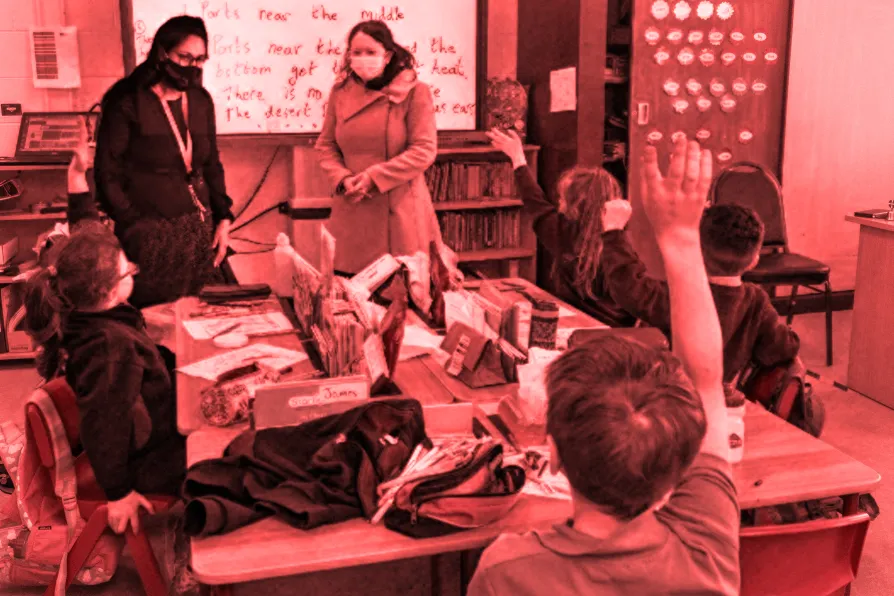 The lack of respect towards this area of education is symptomatic of a society that does not value the experience and skills of women. If we do not work proactively to improve pay and conditions for support staff, we fail to improve the lives of women.

by Nana Backland, Merseyside Morning Star Readers & Supporters Group
The Tories introduced the 50% strike ballot threshold to make industrial action harder. MATT WRACK argues that a Labour government has no justification for leaving it on the statute book
In the wake of Ann Widdecombe’s murder, JOHN GREEN wonders whether the government will really get to grips with the root cause of these attacks on our MPs
The new PM’s opening addresses offered hope, council homes and reform — but little detail on how any of it will be delivered, warns CLAUDIA WEBBE
Nature as well as society works dialectically, asserts the Marx Memorial Library and Workers’ School





AFTER seven days of national and regional action by teachers across the country, the government finally provided a pay offer to teachers in England. Unlike the offer in Wales (8 per cent pay rise across two years, mostly funded), we were offered only 4.5 per cent — 4 per cent of which is to be taken out of “existing” school budgets. The offer has been swiftly rejected by around 98 per cent of voters.
To onlookers, this may seem like an excruciating defeat for workers in education. The offer in Wales, whilst inadequate to many, is far better than in England. Teachers in Scotland have secured a more enviable pay rise of about 14 per cent fully funded. So why the disparity?
The success of strikes in Scotland and Wales largely comes down to the scale of unity within the workforce. NEU support staff in England were the only group whose ballot didn’t reach the threshold of 50 per cent turnout. This meant they could not strike alongside teachers in England, though many wanted to.


As Unison launches its Year of Women Workers, ANNIE COGAN-THOMAS argues that stronger organisation and collective bargaining are essential to winning equality
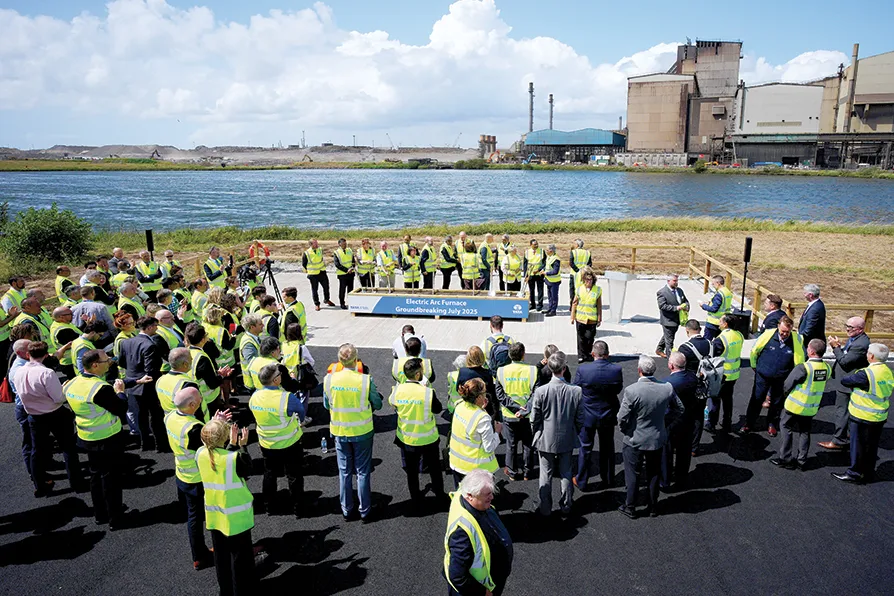
LUKE FLETCHER outlines Plaid Cymru bold plans for wide-ranging policy consultations with trade unions in Wales

A teaching delegation to Cuba offered IAN DUCKETT a powerful glimpse into a schooling system defined by care, creativity and the legacy of the island’s remarkable 1961 literacy campaign

With 12,000 fewer teachers since 2010 and dwindling resources, Scotland’s schools desperately need investment to support diverse learners rather than empty promises from politicians, writes ANDREA BRADLEY