

 Latest editorial
 The strategic shift to building workplace organisation, combined with a commitment to outward-facing campaigning and alliance building, has been a key part of the teaching unions recent success

by Nana Backland, Merseyside Morning Star Readers & Supporters Group
The Tories introduced the 50% strike ballot threshold to make industrial action harder. MATT WRACK argues that a Labour government has no justification for leaving it on the statute book
In the wake of Ann Widdecombe’s murder, JOHN GREEN wonders whether the government will really get to grips with the root cause of these attacks on our MPs
The new PM’s opening addresses offered hope, council homes and reform — but little detail on how any of it will be delivered, warns CLAUDIA WEBBE
Nature as well as society works dialectically, asserts the Marx Memorial Library and Workers’ School





AT the opening of the National Education Union (NEU) annual conference delegates were informed that 195,564 members had participated in a rapid e-consultation on the government’s pay proposals and that an enormous 191,319 (98 per cent) had voted to reject the offer.
The result is extraordinary for two reasons. First, and most obvious, is the sheer size of the numbers showing both a strength of feeling, but also a deep level of engagement by members in their union. The numbers voting exceeded the number who participated in the original industrial action ballot.
Secondly, and perhaps more importantly, the result is extraordinary for what it represents — the collective power of organised teachers combined in a union.

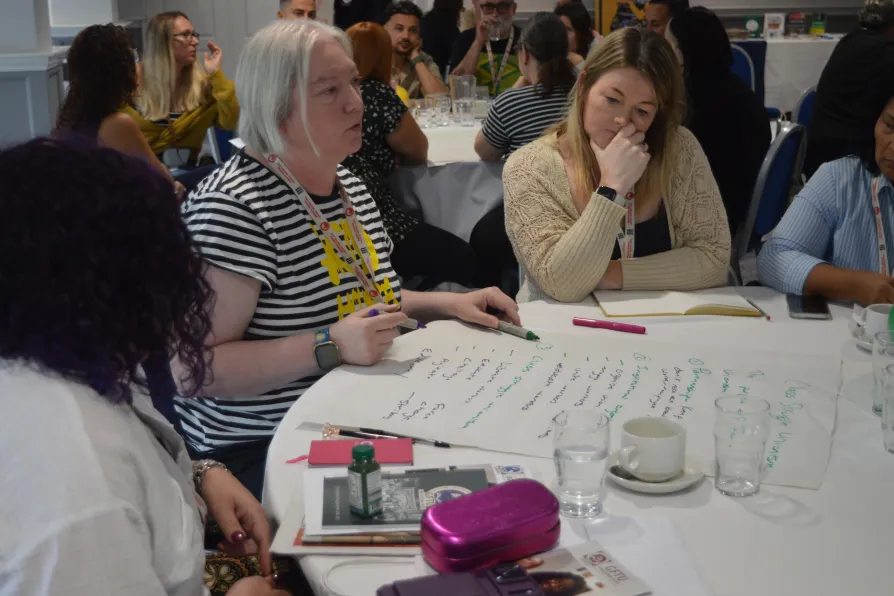
Assistant general secretary of the General Federation of Trade Unions HENRY FOWLER reports on day 1 from the GFTU’s residential Summer School at Quorn Grange Hotel
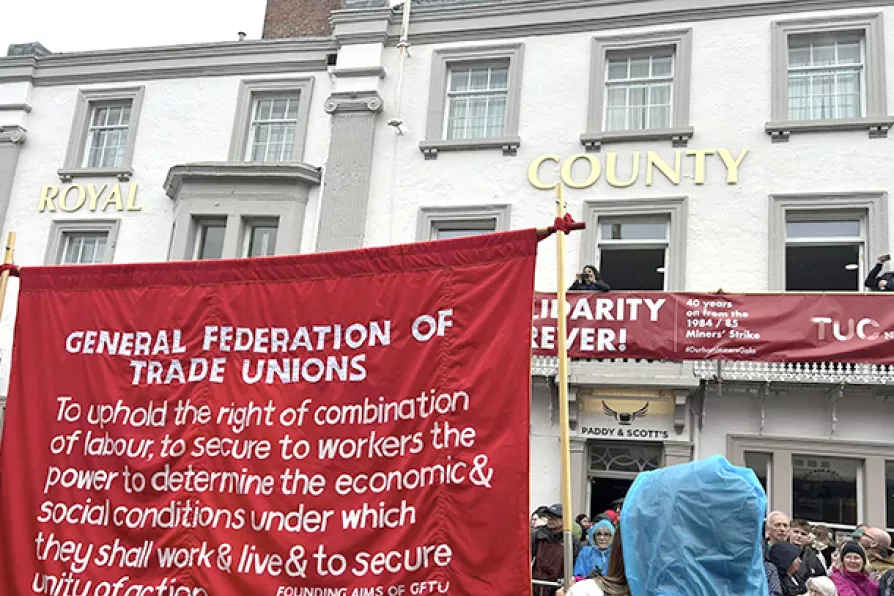
HENRY FOWLER outlines the GFTU’s new 2026-27 education programme and argues that investing in trade union education is essential to building worker power, developing leaders and strengthening collective action
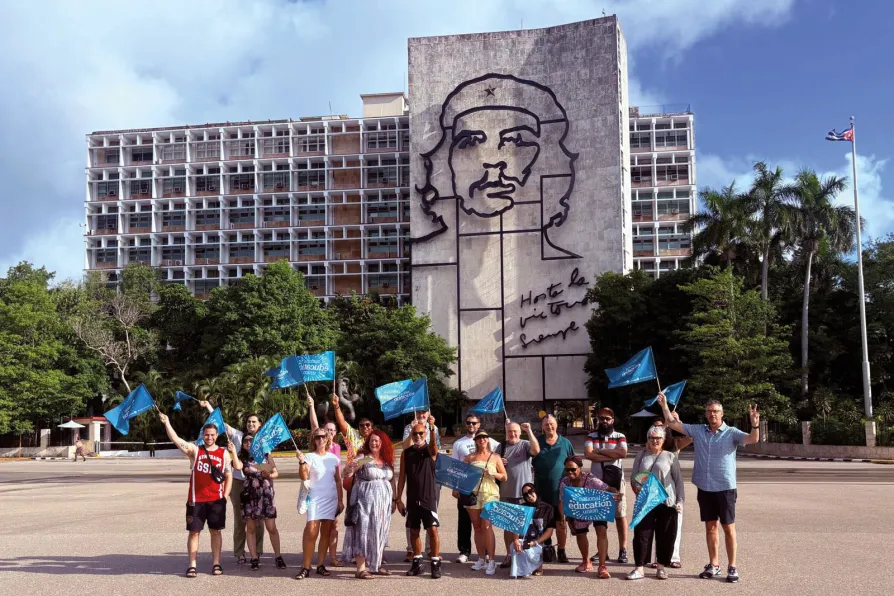
A teaching delegation to Cuba offered IAN DUCKETT a powerful glimpse into a schooling system defined by care, creativity and the legacy of the island’s remarkable 1961 literacy campaign
LAURA PIDCOCK and PAUL O’CONNELL introduces Rise, a political platform for working-class activism