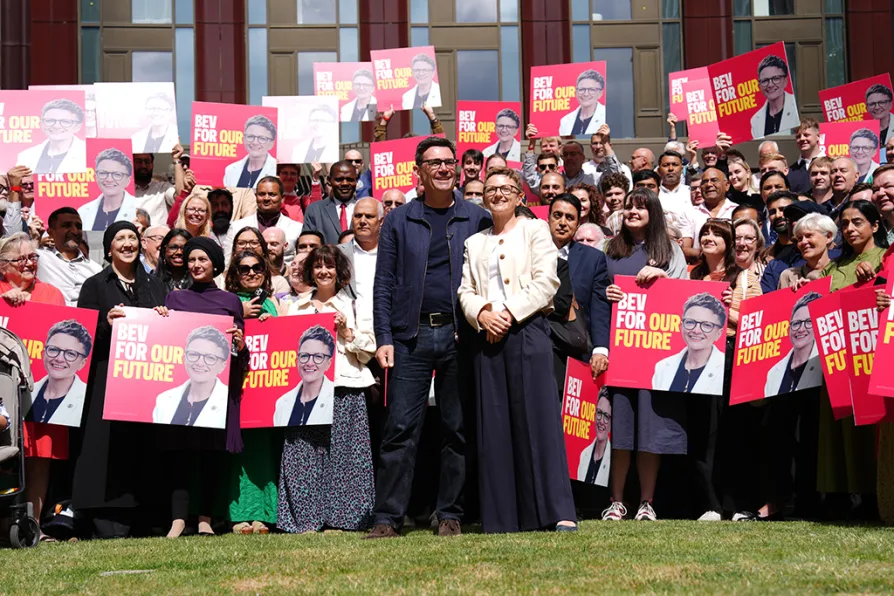
Councillor SAM WHEELER says there’s a tangible shift in mood on the left in the city whose mayor has recently become PM — but there’s no room for complacency



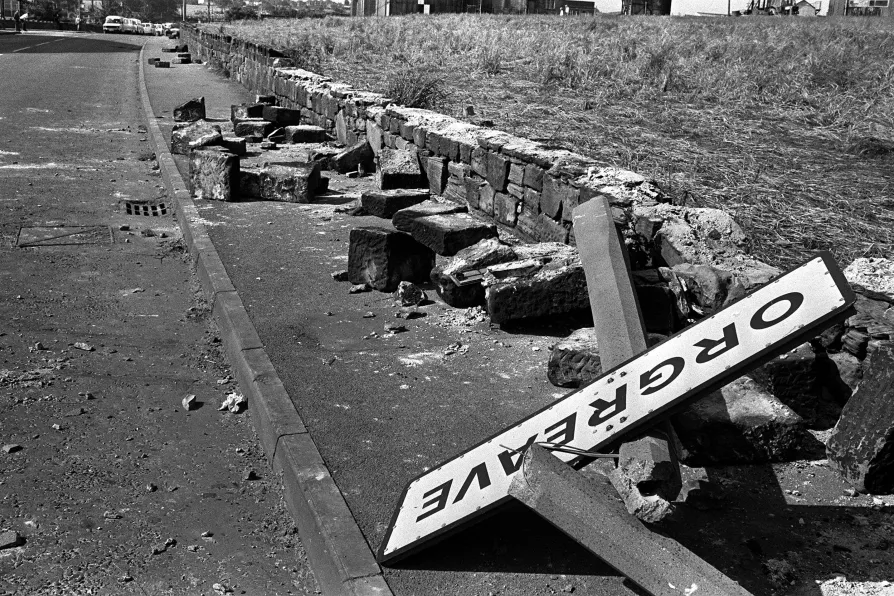
Orgreave: the blue print for policing dissent
The Tories' attempt to broaden police powers in dealing with protest adds urgency to the call for an enquiry into events at Orgreave, writes CHRIS PEACE

 SETTING THE SCENE: Massed police ranks confront miners as they arrive to picket the Orgreave Coking Plant near Rotherham
Communist Party leaders Alex Gordon and Lorraine Douglas deliver vital medicines in trip to besieged socialist island
TUC Cymru is playing a leading role in tackling far-right ideas in the workplace, says LAURA DOEL
A New Delhi press conference in which Sheikh Hasina and her son implied the new order in Bangladesh is a security threat to India has sparked fears she is planning a comeback. SIAM SAROWER JAMIL reports on the fallout
Two months of student unrest have forced out India’s education minister and rattled the BJP regime. Could this be the beginning of the end for Modi, asks Communist Party of India (Marxist) general secretary MA BABY
MAT COWARD says the heatwave is a testing time for gardeners — but he has some tips





JUNE 18 1984 was a day different to any other during the 1984/85 miners’ strike. Miners weren’t stopped and turned around by the police at roadblocks as had been happening throughout the strike. Instead, they were literally ushered into the fields surrounding the Orgreave coking plant by the police.
What was also different about that day was the vast numbers of police there with 13 different police forces from all over Britain present. All were assembled and briefed to attack, and all done in a time without mobile phones and electronic communication.
Significantly it was also a day different in terms of the extent of police brutality and violence unleashed on those present by well-armed and pseudo paramilitary-trained police units.

Similar stories
The public inquiry is the result of more than a decade of determined campaigning. Now, those who fought for justice want the full story of government involvement and police conduct to be told, says KATE FLANNERY
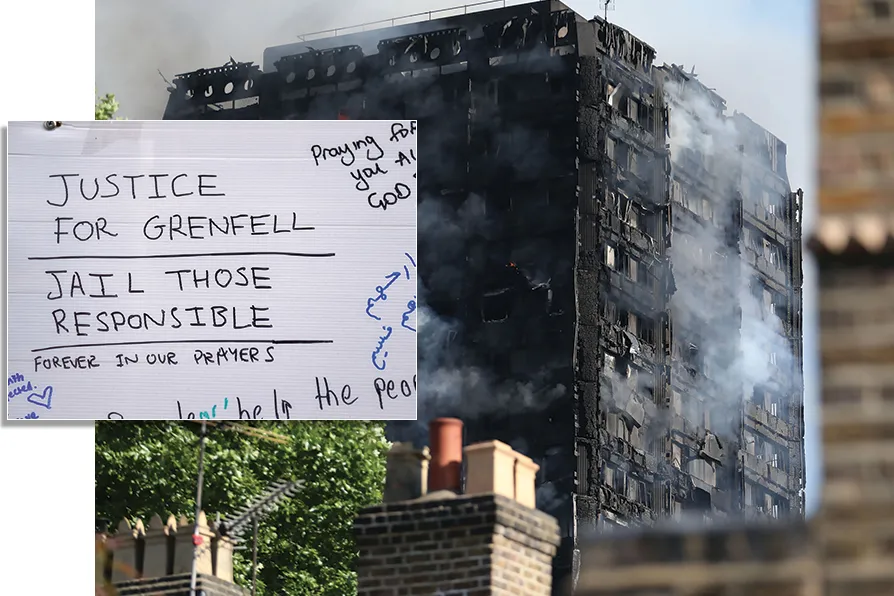
YVETTE WILLIAMS and JOE DELANEY dissect the institutional dawdling that rubbed salt into the Grenfell open wounds prolonging the agony of survivors
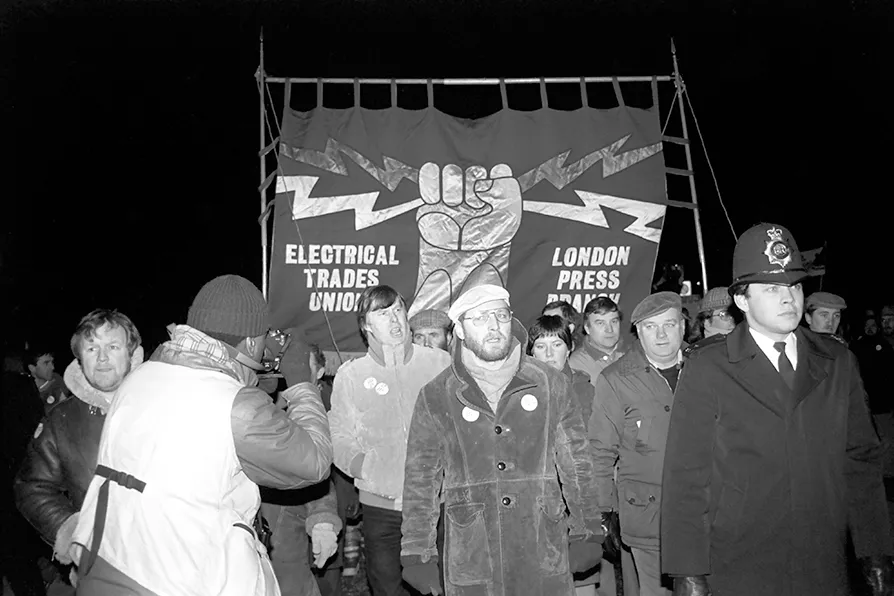
A past confrontation permanently shaped the methods the state will use to protect employers against any claims by their employees, writes MATT WRACK, but unions are readying to face the challenge
KIM JOHNSON MP places the campaign in the context of the history of the working-class battles of the 1980s, and explains why, just like Orgreave and the Shrewsbury Pickets before it, justice today is so important for the struggles of tomorrow