RITA DI SANTO assesses the winners of the most politically charged festival to date


 Latest editorial
What we do with fascists
As the AfD is welcomed in the UK parliament, ALEXANDER CARTER reminds us how music became a battleground in the 1980s and 1990s, fighting fascism with guitars and microphones
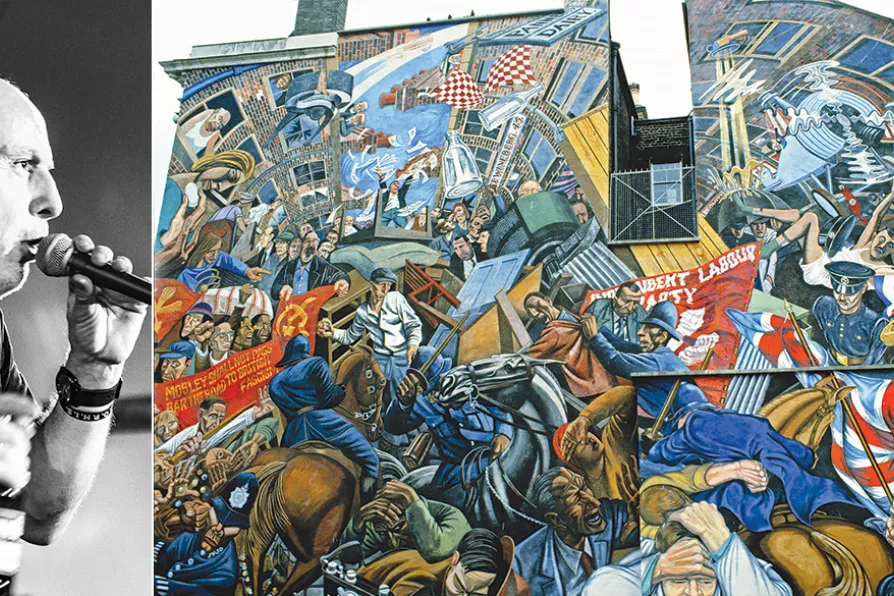 Punk poet Attila the Stockbroker in 2018; The Cable Street Mural in Shadwell, East London was painted on the side of St George's Town Hall by Dave Binnington, Paul Butler, Ray Walker and Desmond Rochfort between 1979 and 1983 to commemorate the Battle of Cable Street in 1936. The original design was by Dave Binnington
[Madchickenwoman/CC; Pic: Alan Denney/flickr/CC]
Punk poet Attila the Stockbroker in 2018; The Cable Street Mural in Shadwell, East London was painted on the side of St George's Town Hall by Dave Binnington, Paul Butler, Ray Walker and Desmond Rochfort between 1979 and 1983 to commemorate the Battle of Cable Street in 1936. The original design was by Dave Binnington
[Madchickenwoman/CC; Pic: Alan Denney/flickr/CC]
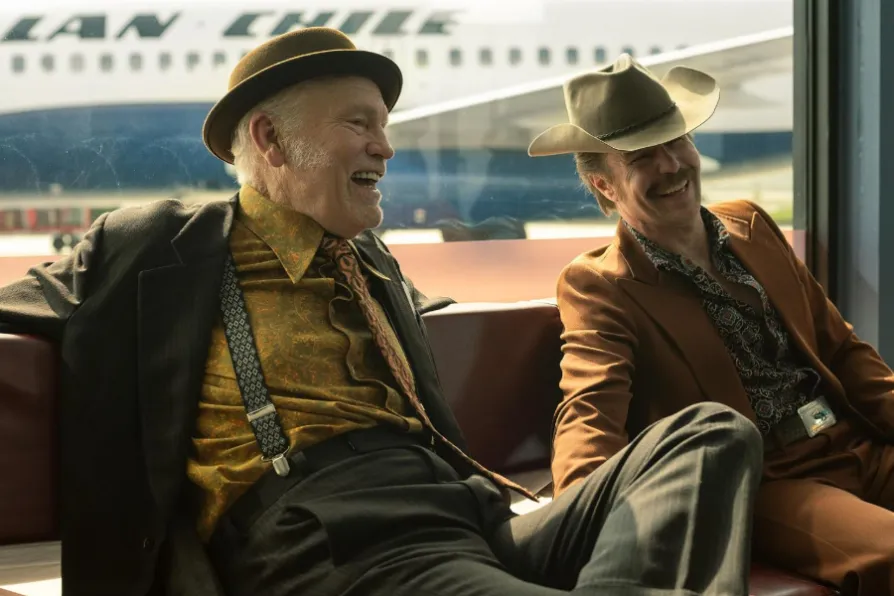
KATARZYNA KOSMALA introduces a retrospective by one of the most significant figures in contemporary US photography
MAYER WAKEFIELD is entertained but let down by an audacious production that, sadly, doesn't ring true
MARY CONWAY is disappointed by drama that, despite accomplished performances, cannot overcome an unfocused script
New releases from Sam Carter, Spell Songs and Les Thomas





IN the 1980s, Britain’s far right was on the rise. Fascist parties fielded over 100 candidates in the 1983 general election. And culturally, the far right was also making ground.
“White power” bands like Skrewdriver and Peter and the Wolf began drawing sizeable crowds and selling thousands of records. In 1987, Skrewdriver’s frontman founded Blood & Honour, a music network that soon gained followers and branches throughout the US and Europe.
Blood & Honour’s emergence caused tremors among the UK anti-fascist movement. Anti-Fascist Action (AFA), the dominant anti-fascist group of the time, struck back with their own musical network: Cable Street Beat (CSB).

Similar stories
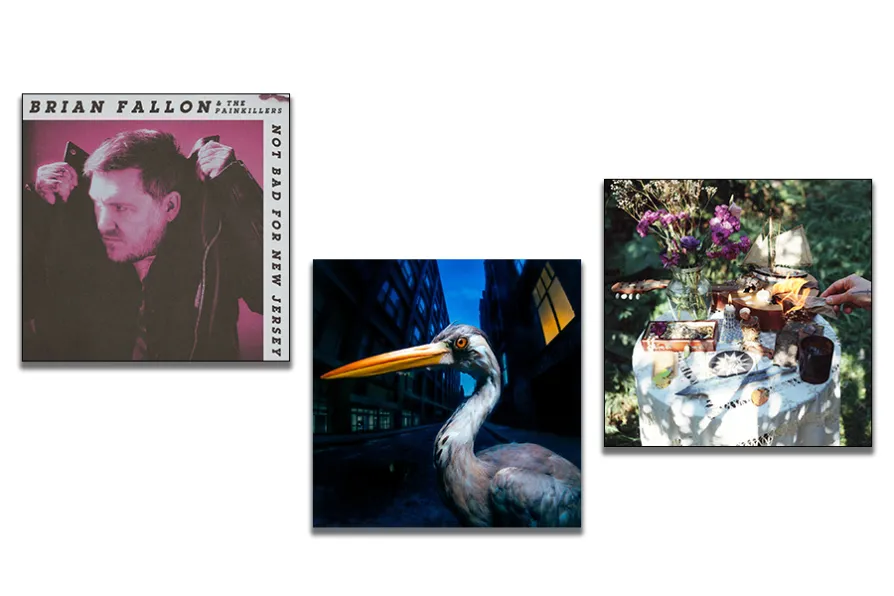
New releases from Brian Fallon, Antony Szmierek and Hollow Hand
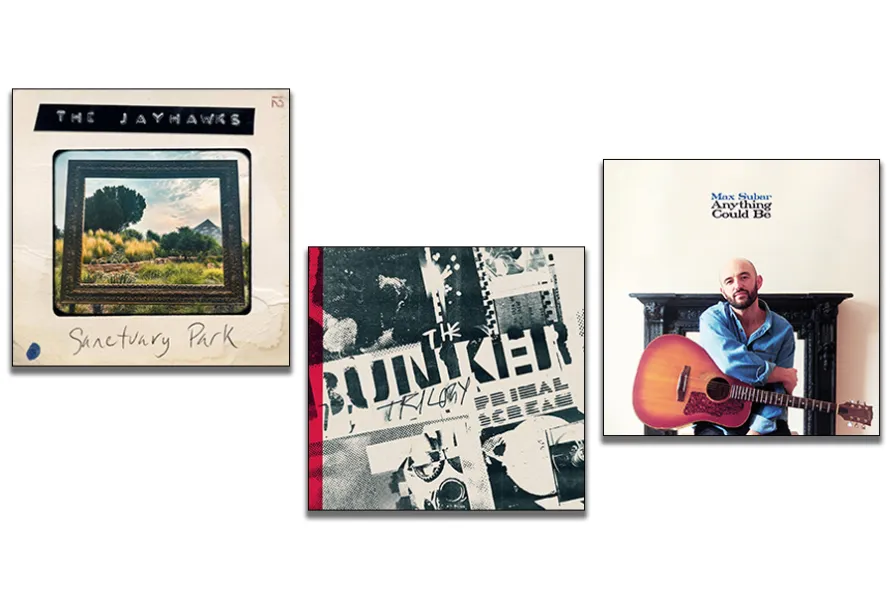
New releases from The Jayhawks, Primal Scream, and Max Subar
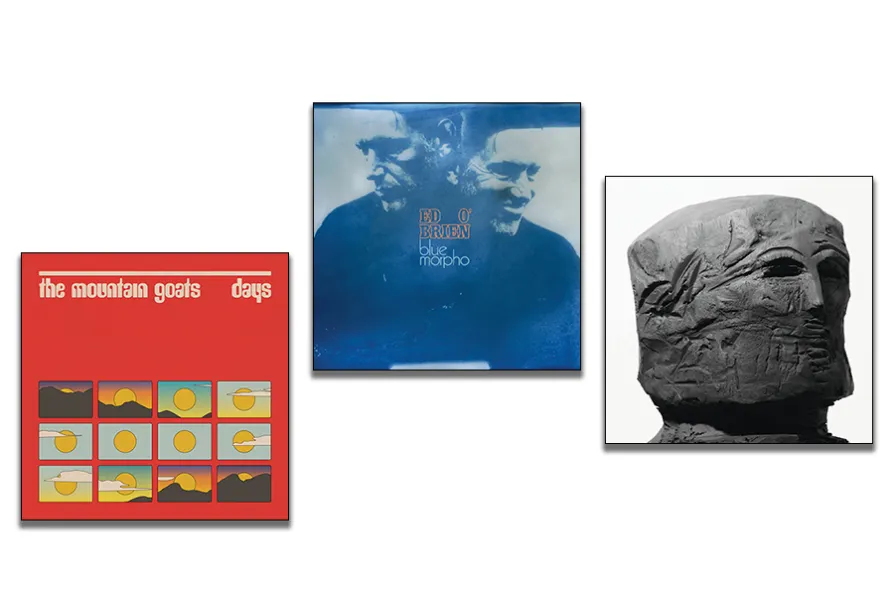
New releases from The Mountains Goats, Ed O’Brien, and YHWH Nailgun
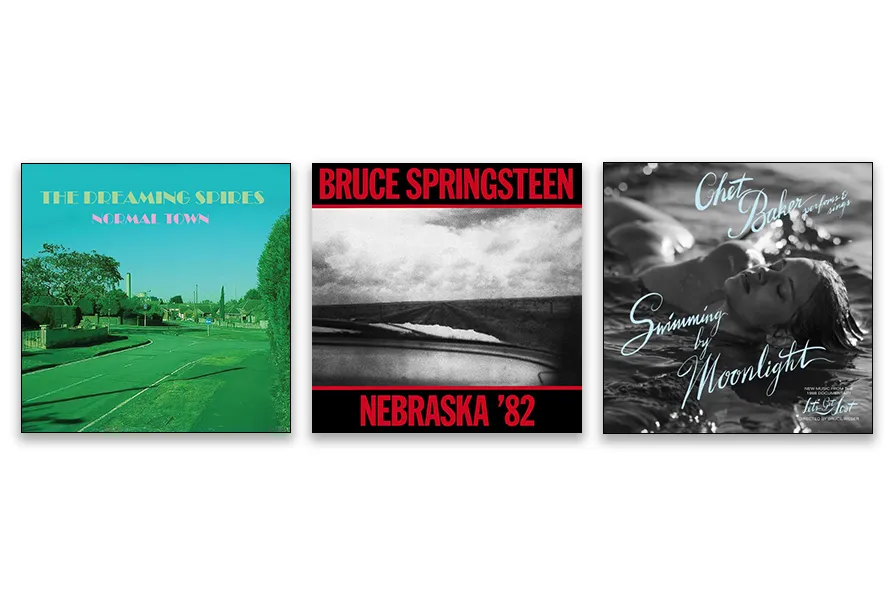
New releases from The Dreaming Spires, Bruce Springsteen, and Chet Baker