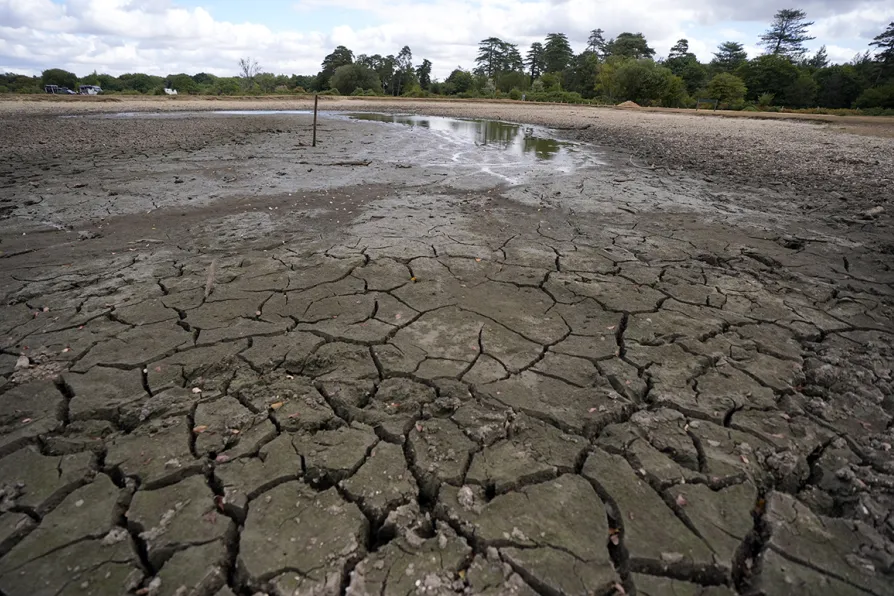
Andy Burnham could learn a few lessons from a previous Labour government in the pre-privatisation era on how to tackle water shortages, writes KEITH FLETT


 Latest editorial

‘We were staying out, ballot or no ballot’
In the first of two features, ex-miner PAUL KELLY shares his experiences as a 24-year-old striker in the miners’ strike against pit closures of 1984-5
North East Volunteers for Liberty plan to mark a double anniversary in October for local heroes who stood firm against tyranny, writes TONY FOX
India’s monsoon is running below normal overall, yet extreme rainfall has already caused deadly flooding in Kerala, explains LIGIN JOSEPH
Renewed illusions in social democratic reformism are sprouting as a result of Andy Burnham’s rhetoric, but material conditions are already intruding into the debate, argues NICK WRIGHT
The US is hell-bent on dismantling the International Criminal Court as part of its assault on global legal systems, but others also have valid reasons to seek its demise. BEN CHACKO provides the analysis





I WAS born in Lower Broughton, Salford, in Sussex Street, next to Andrew Street, where Ewan McColl was born. My father, grandfather and uncles were all coalminers.
My uncle Harold worked at Bradford colliery and was a friend of the playwright Jimmy Allen. Mining and politics were my life from an early age.
I began work at Agecroft colliery in the late 1970s. My dad also worked at the pit. I took part in the strikes of 1969, 1972 and 1974 picketing with my dad — all great victories for the miners and the working class.

Similar stories
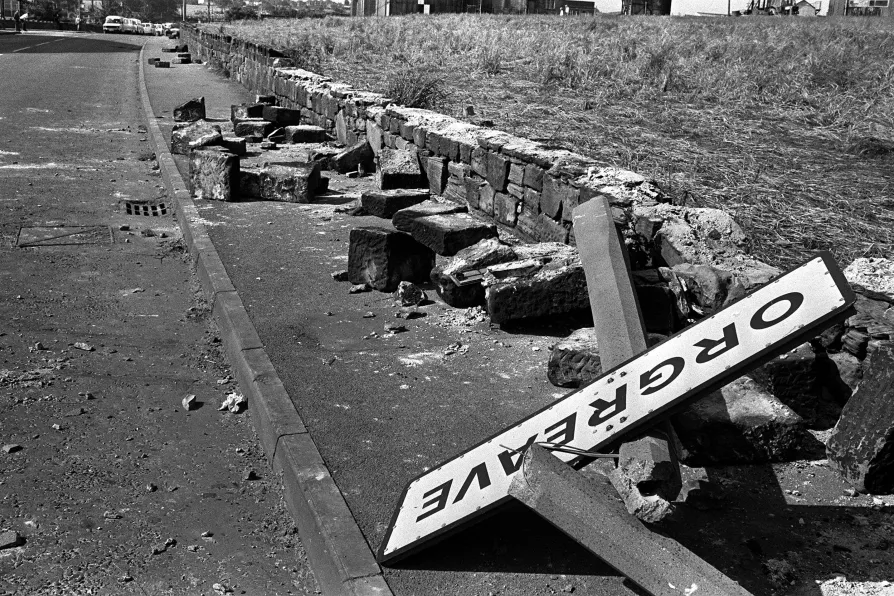
The public inquiry is the result of more than a decade of determined campaigning. Now, those who fought for justice want the full story of government involvement and police conduct to be told, says KATE FLANNERY
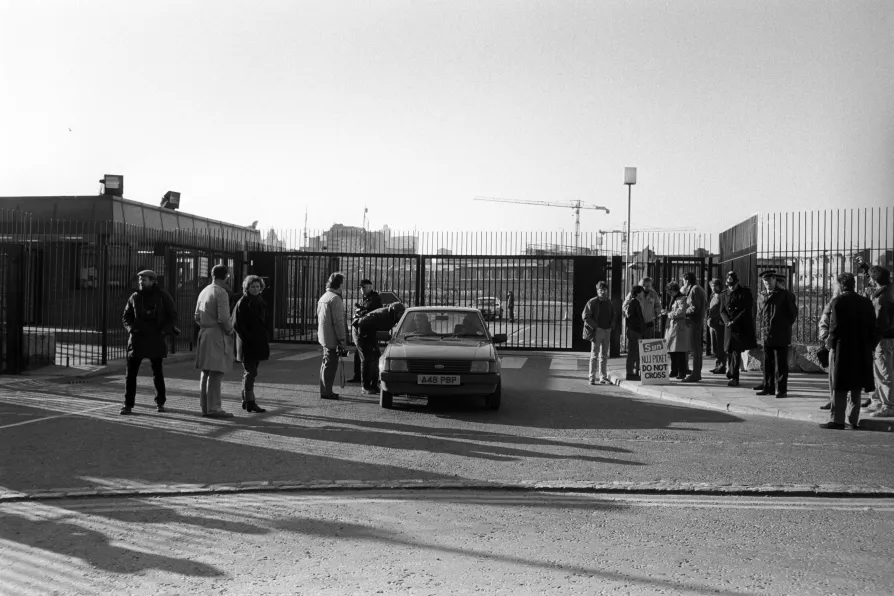
JOHN LANG recalls how Murdoch used scabbing electricians and even devised a fake newspaper to force a confrontation with printers – then sacked them all
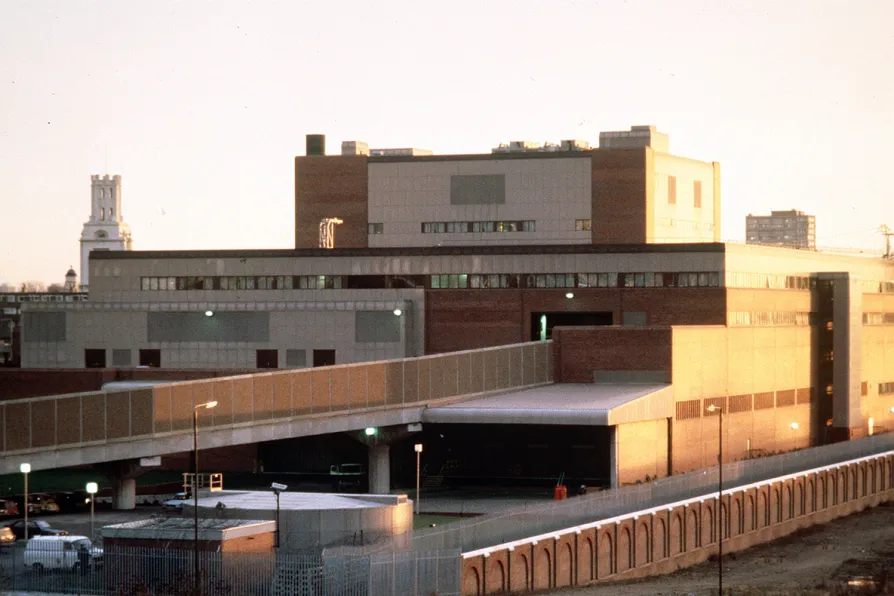
Forty years on, TONY DUBBINS revisits the Wapping dispute to argue that Murdoch’s real aim was union-busting – enabled by Thatcherite laws, police violence, compliant unions and a complicit media