CLAUDIA WEBBE speaks out against the lethal mechanics of Britain’s culture-war press


 Latest editorial

At Burston the Communist Party will launch its rural charter
PHIL KATZ, district secretary of the Communist Party in the East of England outlines the importance of the Burston Strike Rally, the food and land issue for workers and outlines the issues covered in the launch of a new Rural Charter
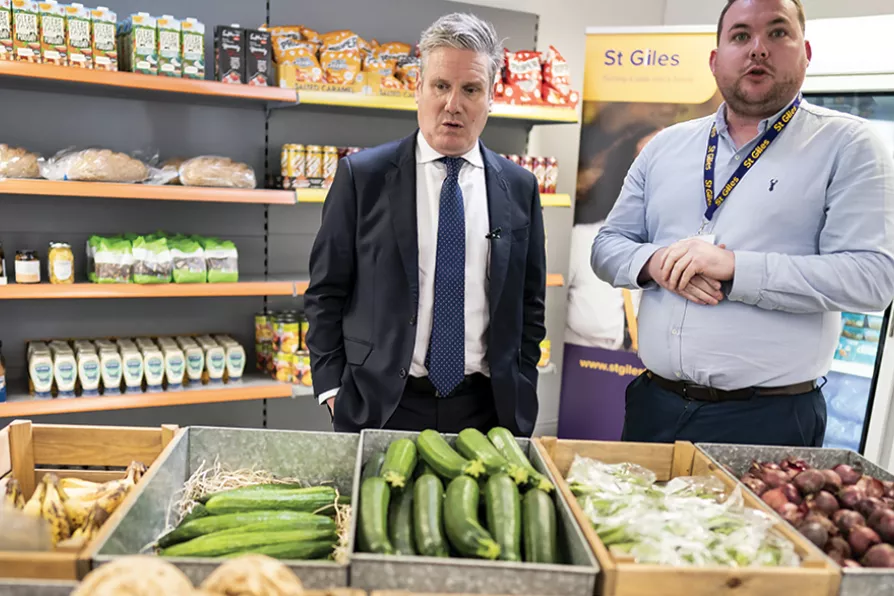 TIME TO ACT: Keir Starmer is shown surplus food produce available at The Pantry at St Giles Trust in south London a local food resource center, April 2023
Powerful agribusiness interests are trying to overturn efforts by the Lula government to protect the environment and indigenous peoples of the Amazon region, writes GABRIELA SA PESSOA
Trade unions and community groups are mobilising to push back against Trump’s racist raids after new revelations of spying on legal protesters. MARK GRUENBERG reports from the US state of Minnesota
The best wildfire service may begin with the community, argues KOMAL RAJ ARYAL
The evolution of the Scottish nationalist leadership into cheerleaders for Nato has led the party to betray its pledges on Palestine and social spending, writes COLL McCAIL
While riding the No 3 bus in Glasgow MATT KERR has ample time to dissect the moribund Scottish Labour decline into near oblivion and watch intriguing bus passenger dynamics





THIS weekend marks the 110th anniversary of the Burston Strike School Rally in Norfolk, commemorating the longest strike in British history. In 1914, beloved teachers Tom and Kitty Higdon, both socialists and trade unionists, were dismissed by the local authorities.
In protest, their students walked out, initiating a strike that lasted 25 years. Since 1984, the rally has been an annual event, symbolising the labour movement’s strength and progressive ideas in the east of England. This year’s rally also celebrates the recent electoral shift in the region, where the Conservative Party has been replaced by Labour, Lib Dems, and Reform UK in key constituencies. The rally will draw thousands, reflecting the changing political landscape.
The east of England has seen a significant political transformation, with Labour now holding 31 seats, the Lib Dems seven, and Reform UK securing three. The region also has a Green MP in Waveney Valley. In many areas, Reform UK has become a significant force, even in constituencies they didn’t win, demonstrating the shifting political allegiances. Despite the high engagement in political activities during the election, voter turnout was low, with some areas like Luton and South Bedfordshire seeing less than 50 per cent participation.

Similar stories
It may have become a traditional month for holidays, but episodes from early British labour movement history show that class struggle never takes time off, argues KEITH FLETT

Rising temperatures and human activity are making life far harder for these vital pollinators. ALEX DITTRICH explains
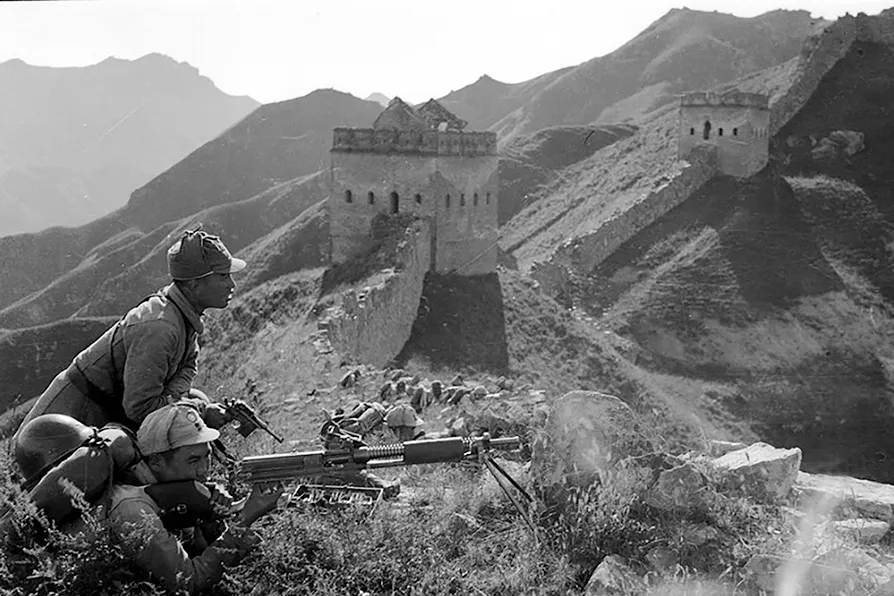
In Part 4 of her look at the Chinese revolution JENNY CLEGG addresses the relationship between the Peasant Movement and the National Movement
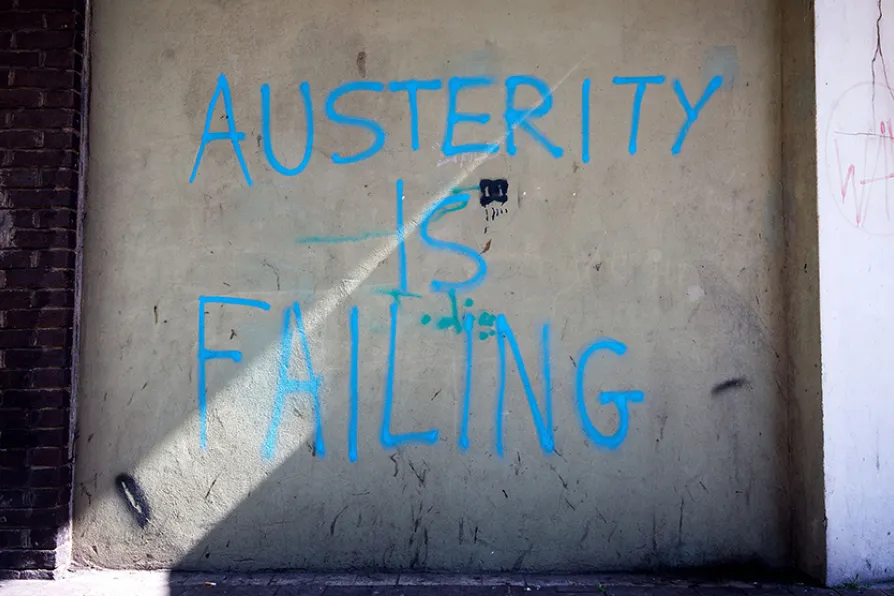
Our charter’s demands for fair pay, affordable housing and environmental security will recruit working-class youth into the political struggle for socialism, emulating the success of the Women’s Charter, writes YCL general secretary GEORGINA ANDREWS