Latest editorial

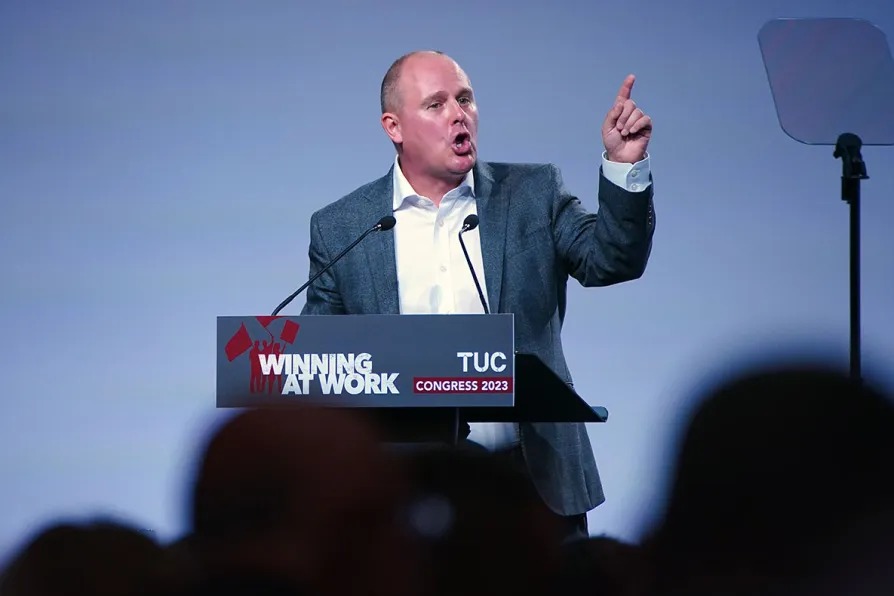
 Paul Nowak, general secretary of the TUC speaking at the TUC congress at the ACC Liverpool, September 11, 2023





MOST zero-hours or variable-hour workers are “stuck” on insecure contracts for at least two years, new TUC research says.
The union federation’s study found more than half of zero-hours or variable-hour workers report being at their current employer for at least two years, while one in six have worked at the same place for a decade or more.
TUC general secretary Paul Nowak slammed attempts to water down new employment rights, including on zero-hours contracts, as “blatant scaremongering.”
“We are talking about low-paid precarious workers who don’t know how much they’ll be earning from week to week or the hours they’ll be working,” he said.
“This analysis shatters the cynical claim that these are just students with a side hustle who can afford to lose shifts at the drop of a hat. The reality is most of these workers are reliant on their jobs as the main source of their income.
“That’s why it’s so important that the new Prime Minister ends the scourge of insecure work in Britain and delivers these new rights to guaranteed hours in full.
“Good employers have nothing to fear from these new rights. This will level the playing field for them and stop the cowboys.”
Joanne Thomas, general secretary of the shopworkers’ union Usdaw, said: “Many of our members are regularly working hours that aren’t guaranteed in their contract, which has a massive impact on their lives.
“The right to a guaranteed-hours contract has the potential to provide much greater security for millions of low-paid workers.
“The government must deliver this right in full to give people the baseline of security that they were promised in the manifesto.”
Work Foundation think tank director Ben Harrison said: “While zero-hour contracts are often presented as a way to give people greater choice over when they work, too often they only serve to empower employers, leaving workers in limbo.
“More than a million people are currently on a zero-hour contract, with no certainty over the hours they’ll work next week, the money they’ll earn, or if their shifts might change at the last minute.
“In the words of a worker we spoke to, this leads to ‘work-life chaos’ and generates significant financial anxiety.”