Latest editorial
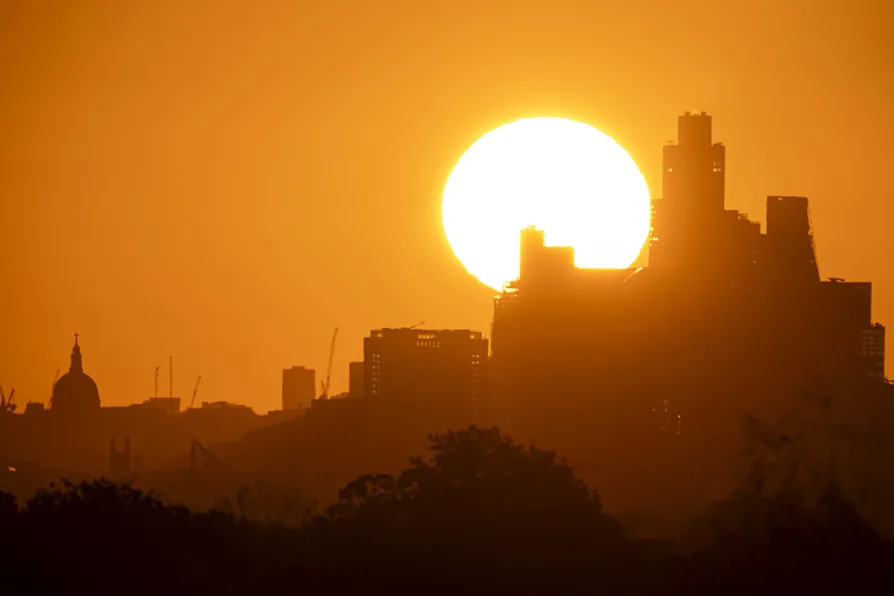






THE NHS must prepare for the effects of heatwaves each year in the same way as it plans for winter, Yvette Cooper said today as high temperatures caused by the climate crisis become routine.
The Health Secretary said NHS staff were feeling A&E pressures that would normally be expected only during flu season and the government would make major investments in NHS infrastructure, to improve the health service’s summer resilience.
Doctors and other medical professionals have warned of the impact that repeated heatwaves are having on the NHS, including advice from the Royal College of GPs to cancel surgeries in extreme weather.
Ms Cooper said rising global temperatures were causing challenges which the NHS had not encountered before.
“This is a new thing for the NHS to have to deal with,” she told the Guardian. “There is a remarkable determination of the NHS to respond, but we need much greater resilience.”
Unison has called for ambulance services to introduce plans to keep staff and patients safe, as many emergency workers have been expected to operate in conditions harmful to their health.
The union said its members are being sent out in ambulances in stifling heat with faulty or no air conditioning, often with limited access to drinking water or toilet facilities, during shifts that see long hours of queues for hospital handovers.
Crews are often required to work for prolonged periods in the glare of direct sunlight at road traffic collisions and other major incidents, wearing heavy uniforms that are not designed for the conditions.
Unison national officer Sharan Bandesha said: “Patients deserve to be transported at a comfortable temperature.
“These ambulances serve as workplaces, so simple steps such as hydration breaks could make a real difference to staff wellbeing and patient safety.”
The warnings come as a Citizens Advice study shows people are taking “drastic action” such as sleeping in the kitchen, missing work or booking hotels to cope with the heatwaves.
The charity found almost half of people feel they lack basic control to stop their houses overheating and is demanding government action on a “now year-round crisis.”
A government spokesman said it was changing the rules to ensure people can access grants for air-to-air heat pumps, strengthening protections for tenants and making sure new buildings are designed to minimise unwanted heat.


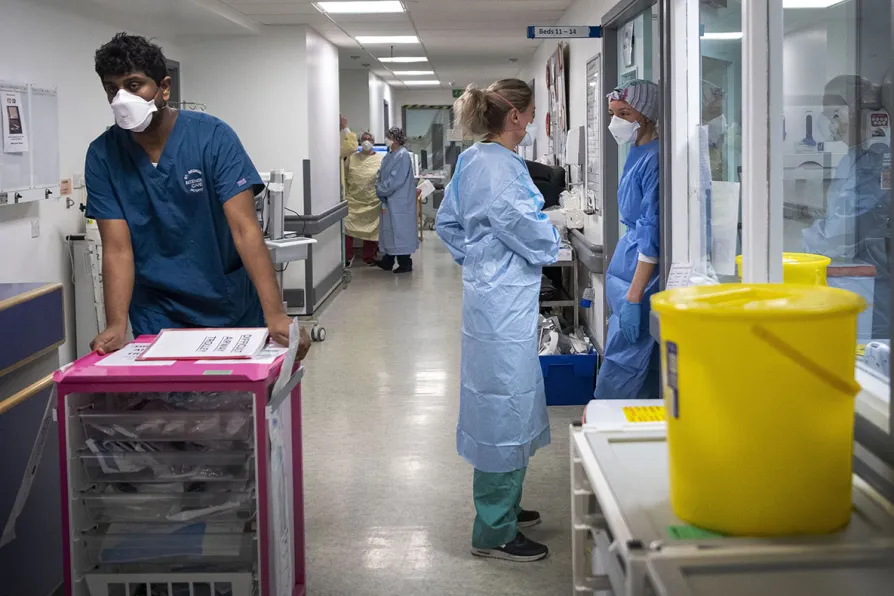

Extreme heat is now one of the defining public health challenges of a warming world, explains Prof IAN WILLIAMS