

 Latest editorial

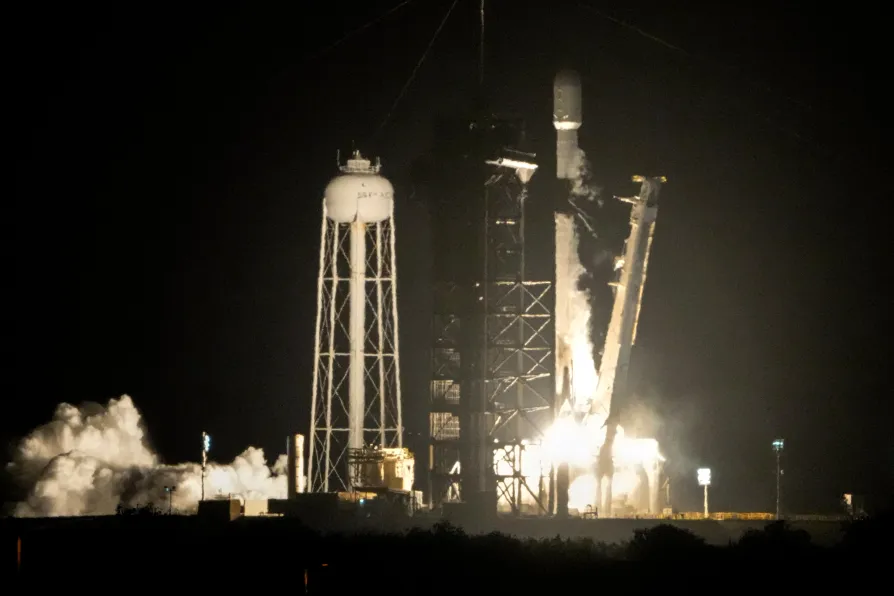 A SpaceX Falcon 9 rocket lifts off from pad 39A with a payload of a pair of lunar landers at the Kennedy Space Centre in Cape Canaveral, January 15, 2025 (AP Photo/John Raoux, File)






SCIENTISTS warned of the long-term effects of space debris today after part of a huge rocket crashed into the moon.
A section of a SpaceX Falcon 9 rocket, owned by mega-billionaire Elon Musk, is believed to have crashed close to the Einstein Crater on the moon’s north side at about 7.35am BST.
The upper stage is roughly the size of a five-storey building and has a mass on Earth of around 4.5 tonnes.
The object, the second stage of a Falcon 9 launched early last year, struck the moon at about 5,400mph, according to orbital trajectories mapped by independent astronomers and confirmed by space-tracking agencies.
It struck with the force of roughly three tonnes of TNT.
Such rocket hardware typically re-enters Earth’s atmosphere to burn up or splash down into the ocean.
But over 18 months, gravitational forces from the sun, Earth and moon gradually altered its flight path, setting it on a collision course.
SpaceX said the trajectory was unintentional but unpreventable, given the vehicle’s remaining fuel reserves.
Nasa confirmed that the collision posed “no danger to Earth,” adding that it would continue to observe the impact site.
A lunar satellite is expected to pass the site in around a week, allowing scientists to create before-and-after pictures.
University of Cambridge astronomer Dr Matt Bothwell told BBC Breakfast that while the collision was a “nice little neat experiment on the moon,” space is becoming more crowded with debris.
“It could feasibly be within a few decades hard to get past Earth’s orbit because space is so crowded. It’s called space debris and we should absolutely worry about it,” he said.
While about 2,000 active satellites are in orbit, there are also 3,000 dead ones, plus around 34,000 pieces of space junk larger than 10 centimetres and millions of smaller pieces.
University of Birmingham space safety expert Professor Hugh Lewis said more regulation may be needed to prevent future crashes from becoming a risk to human life and infrastructure.
“We could see these kinds of events happening again in the future. Then they would potentially be posing risks to human life, to infrastructure that’s there, to science,” he said.
Prof Lewis warned that future events could jeopardise landings, adding: “But the real question is whether regulation needs to tighten, if we need new standards and guidelines to help us with missions that go to the moon.”


A setback for IG Metall at Tesla’s Berlin plant has ignited claims of intimidation and raised fears for the future of collective bargaining and workplace democracy, says TONY BURKE

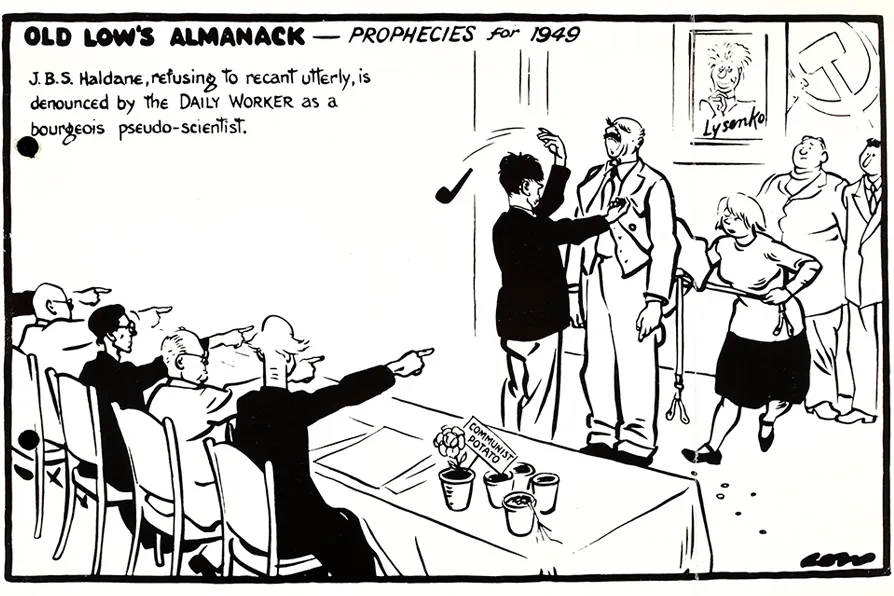
JOHN GREEN’s palate is tickled by useful information leavened by amusing and unusual anecdotes, incidental gossip and scare stories
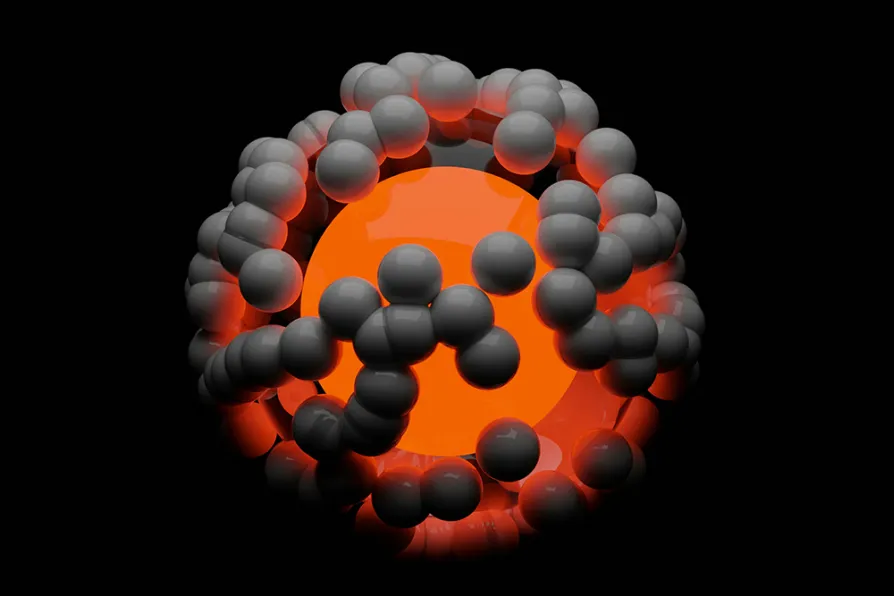
Neutrinos are so abundant that 400 trillion pass through your body every second. ROX MIDDLETON, LIAM SHAW and MIRIAM GAUNTLETT explain how scientists are seeking to know more about them