

 Latest editorial

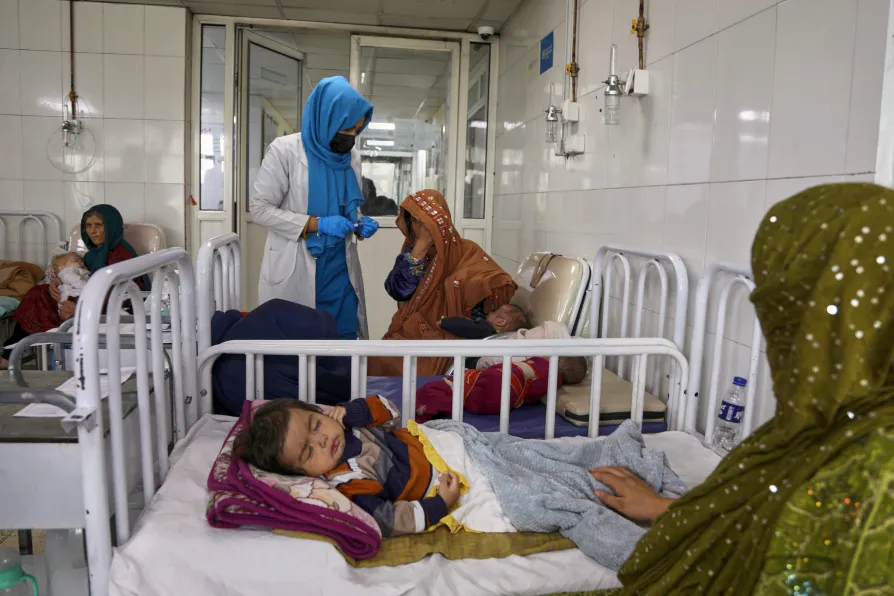 Afghan women care for their children in the malnutrition ward at Indira Gandhi Children's Hospital in Kabul, Afghanistan, February 15, 2026 (AP Photo/Siddiqullah Alizai, File)






CHILD malnutrition has reached critical levels in a third of Afghanistan’s provinces and is expected to worsen as funding shortfalls force cuts in food distribution, the World Food Programme (WFP) has warned.
“We must act now to stem the rise in child deaths, which this crisis is provoking,” John Aylieff, the United Nations agency’s country director, said on Tuesday, adding that “it is already too late for too many.”
Nearly 3.7 million Afghan children are projected to suffer from acute malnutrition this year, along with 1.2 million pregnant and breastfeeding women.
Twelve Afghan provinces have reached critical levels of acute child malnutrition, a record number.
The WFP said supply shortages linked to the US-Israeli war on Iran and the nine-month closure of Pakistan’s border had disrupted deliveries, leaving nearly one million malnourished women and children without essential nutrition services for five months.
Food distributions aimed at preventing famine are being suspended from August to the end of October for lack of funding, even though the annual peak season for malnutrition is between July and October.
WFP urgently needs $540 million (£400m) over the next six months.

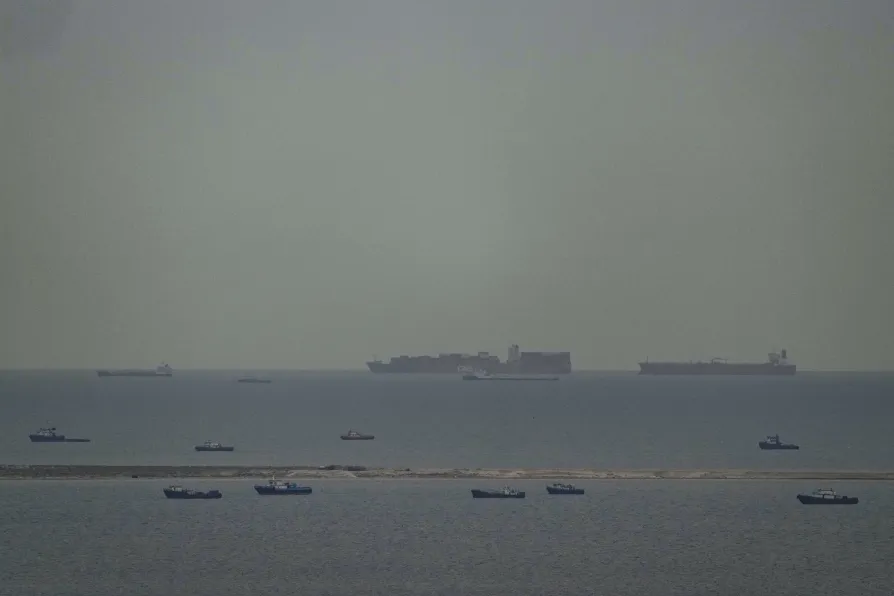
Fertiliser chaos triggered by Gulf conflict could send prices soaring and leave millions facing devastating hunger, writes DYLAN MURPHY
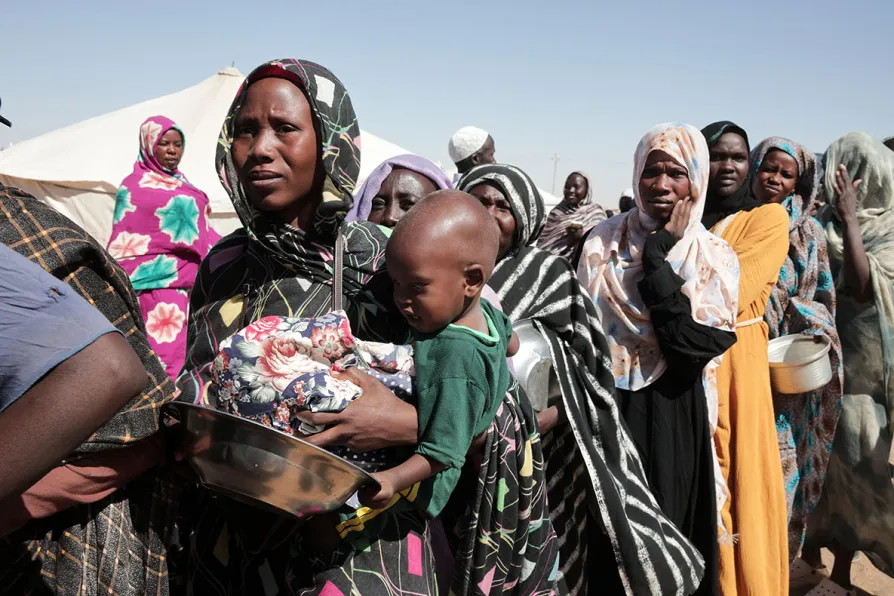
MAISSON HASSAN highlights how amid bombed-out cities and collapsing hospitals, women-led initiatives are keeping communities alive
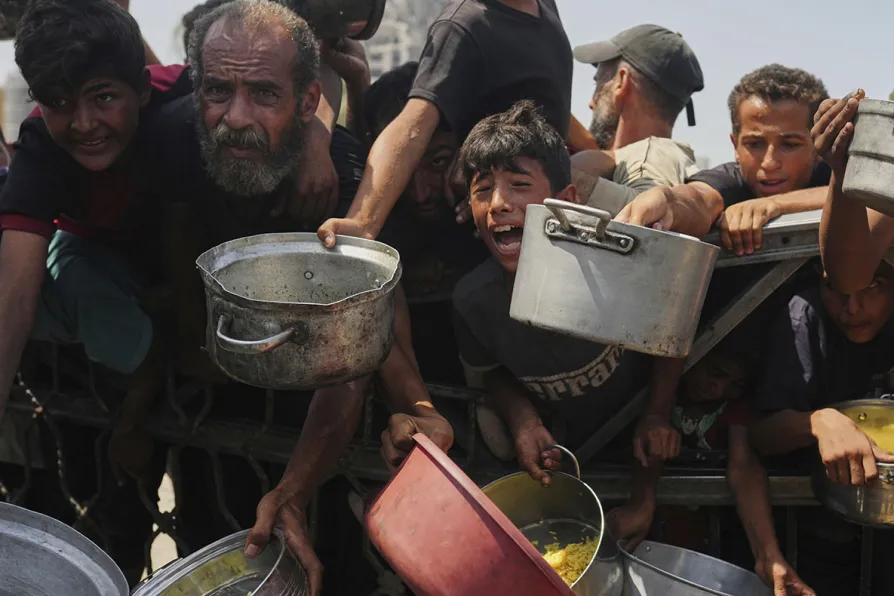
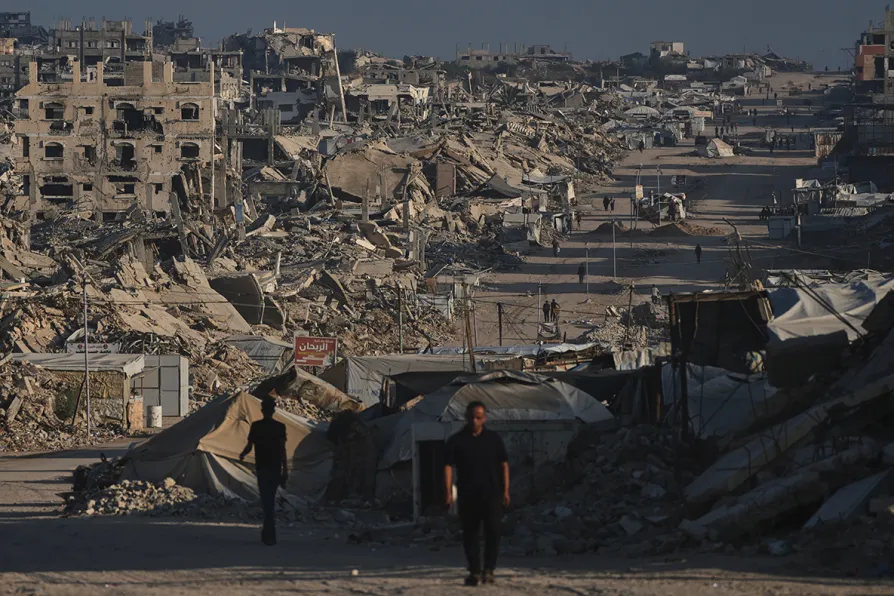
For those in the West, hunger is often just the familiar feeling of a growling stomach between meals — in Gaza, it has become a strategic weapon of slow, systematic and deadly destruction, writes MARC VANDEPITTE