ANGUS REID urges us to understand the persecution of Jason Arday from a political and historical perspective, and to see the victim in human terms



Nazi / Soviet Top Trumps
BRENT CUTLER is disappointed by a work of historical revisionism by a former US army officer, that makes a false equivalence between the two regimes
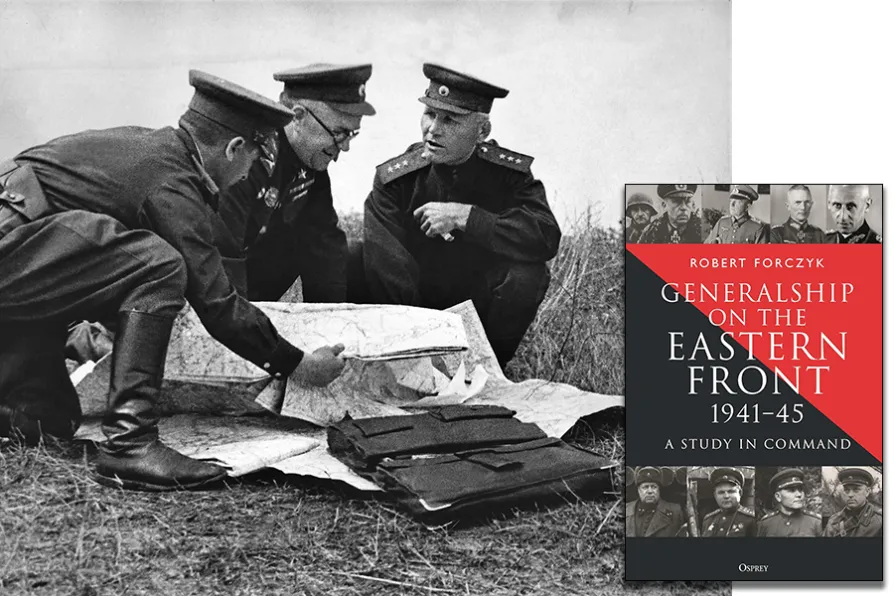
 HEROES: Deputy Supreme Commander-in-Chief, Marshal of the Soviet Union G.K. Zhukov, and Commander of the Steppe Front, Colonel General I.S. Konev, during the Battle of Kursk [Pic: Public Domain]

Re-releases of the classics Gypsy Rhumba and Buena Vista Social Club, and a stunning album by Palestinian artist Faris Ishaq
Nothing, says ANDY HEDGECOCK, can rescue this undistinguished amalgam of ponderous melodrama and shallow philosophical speculation
JAMIE BRITTON invites readers to visit 3,500 locals as part of a marathon artistic pub crawl
JOHN GREEN welcomes a valuable and incisive analysis of a world become hyperpolitical but without the mass movement institutions to represent it





Generalship on The Eastern Front 1941–45: A Study in Command
Robert Forcyk, Osprey, £30
WHEN it comes to the conflict between the Soviet Union and Nazi Germany I, along with most readers of the paper, have a slight bias toward the Soviet Union. The most striking problem with Robert Forcyk’s latest book is that he makes no distinction between either state, regarding them both as tyrannies. But what else should we expect, given that the author is a former US army officer?
This is a work of historical revisionism, which views the two regimes as equal, thus paving the way for fascism. Forcyk ignores the fact that Nazi Germany was the aggressor; his revisionist interpretation puts the state that initiated the Final Solution on the same footing with those who liberated Auschwitz.
The book studies the strengths and weaknesses of the generals on both sides of the conflict. In the book, Forcyk takes the Principles of War — objective, offensive, mass, manoeuvre, surprise and security — and uses them to measure the performance of generals of both sides. Think of the children’s card game, Top Trumps.
Forcyk makes no connection between war and wider social and economic factors, although he lets down his guard when he points out the very different class origins of the Soviet and German generals. Most Soviet officers were from working-class or peasant backgrounds; their German counterparts, many of whom began their military careers before World War I, came from elite backgrounds and would either have been trained at the Kreig Schule (War School) or joined the Kadeettekorps (Cadet Corps).
For example, Generalfeldmarschall Erich von Manstein, who held command at Leningrad and Stalingrad came from an aristocratic Prussian family with a history of military service, later joining the Kadeettekorps. In contrast, the most famous Soviet Commander, Marshall Zhukov, was from peasant stock and was conscripted in World War I, later joining the Red Army as a volunteer.
The Red Army, created in 1917 and the Wehrmacht, in 1935, were both new military formations. However, while the Red Army had its origins in workers’ militia, while the Wehrmacht was a reorganisation of its predecessor, the Reichswehr.
Forcyk exposes some of the problems of Blitzkrieg (Lightning War), highly successful in overrunning France and Belgium but less so when it came to larger areas like the Soviet Union. The Wehrmacht would often break through enemy lines but soon experience problems of supply. The origins of Blitzkrieg were economic; German capitalists and bankers favoured a war in short bursts which, if successful, would give an immediate return on their investment.
The Wehrmacht’s poor logistical backing, made up of horse pulled wagons and old trucks, was arguably a sign of German capital’s lack of investment in the war effort.
Germany’s failure to achieve unity of command, was a problem attributable to Nazism. Fascist regimes may take away civil liberties and workers’ rights but this does not stop backbiting and one-upmanship between different elements of the regime. The lack of co-operation between the Wehrmacht and the Luftwaffe is a striking example of this.
The book includes chapters on Barbarossa, the operations of 1942 and 1943, and ends with Operation Bagration, the final assault on Berlin. There is no mention of atrocities committed by the Wehrmacht or the SS, and even the Einsatzgruppen is not mentioned. Forcyk does, however, find the time to criticise the NKVD (Soviet Internal Security) for attempting to indoctrinate German POWs.
Fortunately the Soviet Union defeated Nazi Germany and we all owe it a massive debt. The Red Army may have been weakened by the purges of the interwar years, which Forcyk is keen to point out. However, its operational capabilities improved throughout the war while that of the Wehrmacht declined, resulting in its defeat.
In the final analysis, this conflict, or any other cannot be reduced to a game of Top Trumps.

Similar stories
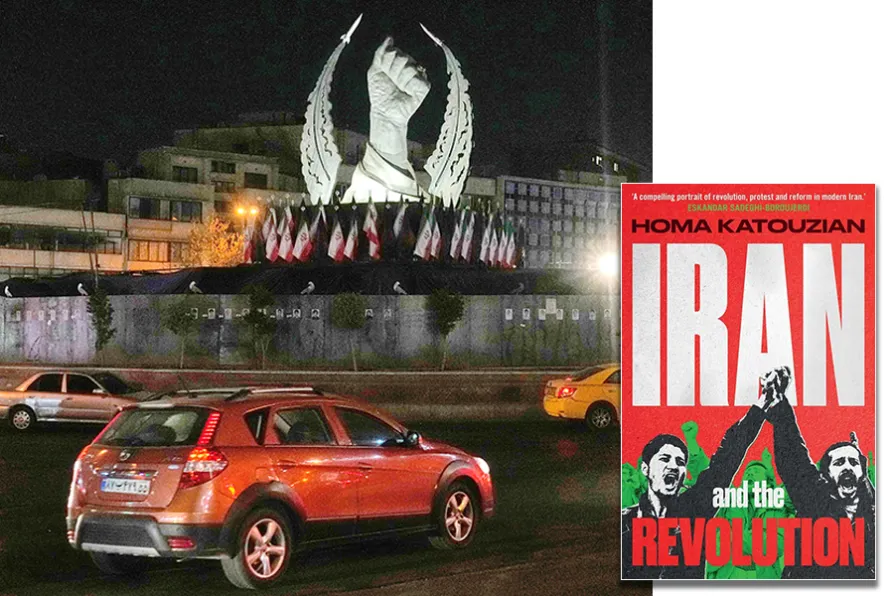
BRENT CUTLER searches a new history of contemporary Iran for an understanding of the Islamic Republic, finding both interesting detail and glaring omissions
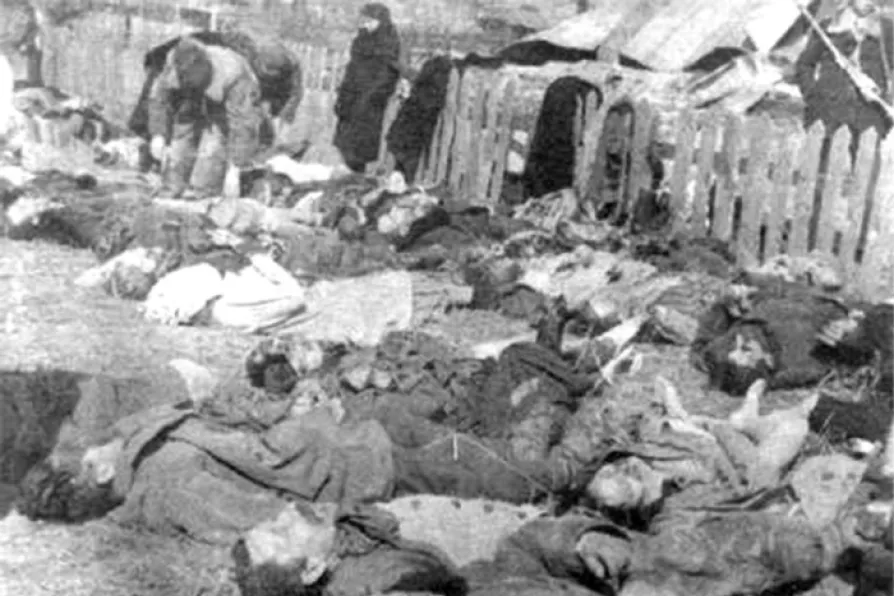
Poland’s anger over Ukraine’s celebration of the Nazi collaborationist UPA reflects more than historical grievance, says KENNY COYLE
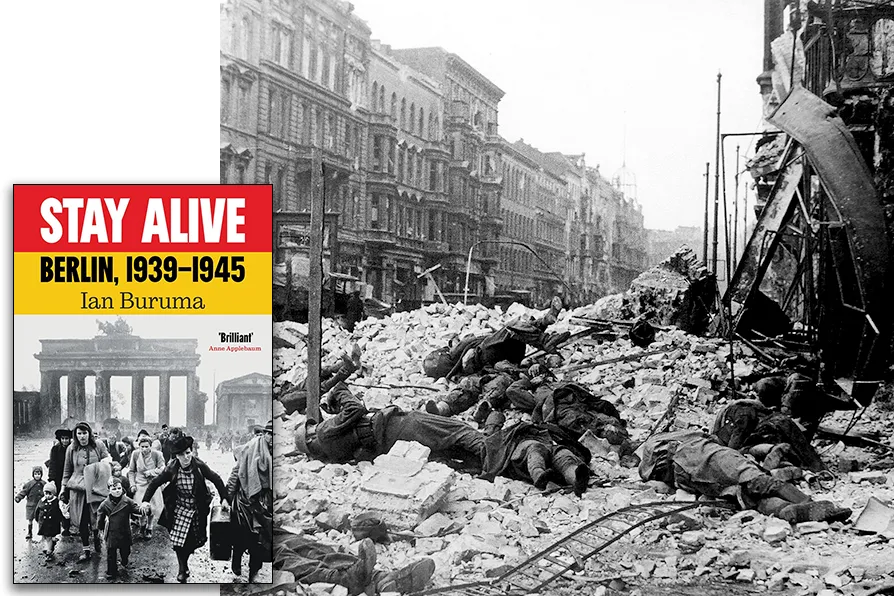
MARJ MAYO sees the contemporary relevance of this account of the consequences of a society’s accommodation with evil
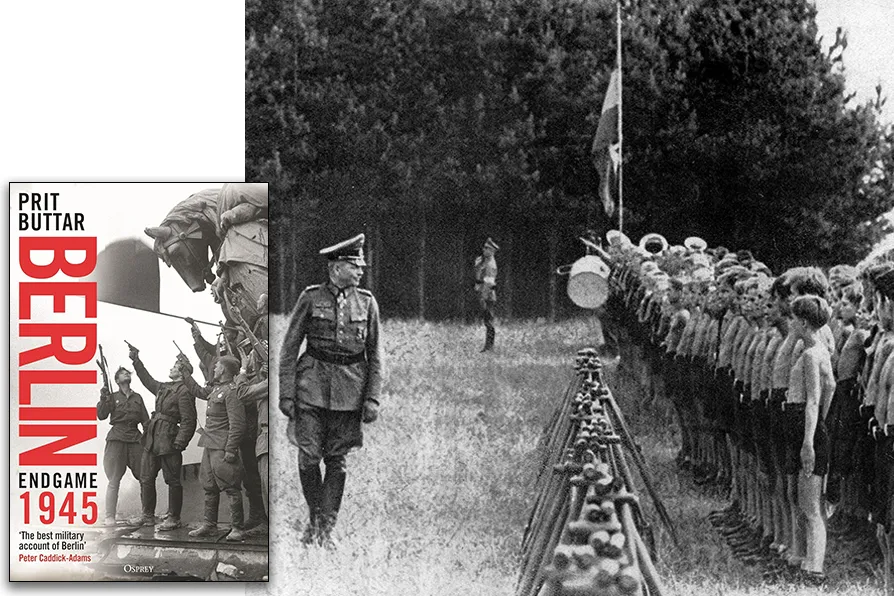
WILL PODMORE admires an account of the liberation of Berlin that overthrows the conventional US army-inspired account