 Latest editorial
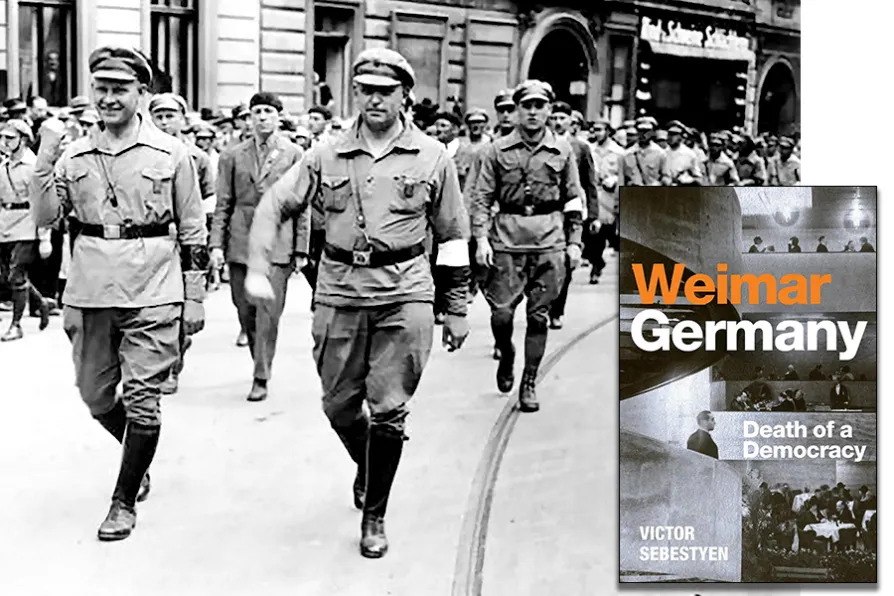
GORDON PARSONS recommends an entertaining account of the years between Germany’s defeat in WWI and Hitler’s seizure of power



Poetry rules: Emma Hammond on the Queen's poetry reception
Last week the Queen held a reception at Buckingham Palace for the UK poetry world. EMMA HAMMOND explains why the Queen symbolises everything rotten about contemporary society.
MIGUEL YOSHIDA explains the evolution and influence of the Cuban Casa De Las Americas in joining culture to the revolutionary struggle
ANDY HEDGECOCK is charmed by a skilful adaptation of Tove Jansson’s lyrical portrait of three generations of a family, overcoming grief
ALEX HALL treads warily through a messy, dialectical struggle fought in the mundane machinery of driving licences, criminal law, and birth registries
MICHAL BONCZA, FIONA O’CONNOR, JAMES WALSH and ANGUS REID review Atlas of Disappearance, Love Me Tender, Bouchra, and This Tempting Madness
Flitting between myth and the modern world, Medusa is determined to steer clear of human affairs. When her resolve crumbles, the result is petrifying in every sense





Many of us watched in wonder last week as a poetry maelstrom occurred. Around 300 poets were invited and went off to meet the Queen at Buckingham Palace for the purpose of celebrating British poetry. And why not? Poetry certainly deserves recognition for being one of the last art forms that is supposedly unsullied by capitalism: there is no money in poetry which means no vast sums of money changing hands. It is not fashionable (as much as marketing executives have tried), and most importantly, a large number of poets are hugely subversive and anti-establishment.
However, perhaps these things should not be the defining features of a poet - the ‘angry young men’ (or women- since they’ve been allowed) image of poets is probably outdated or a romantic notion in itself; but I had rather thought that poetry is at least one of the places where independent, progressive thought is best served.
Let’s be honest, elitism is not particularly civilised - if anything it drives people apart, causes rifts and gives weight to a kind of magical thinking or myth-making that is not at all based in truth. How can we move forward without a reasonable acceptance of reality?

Similar stories
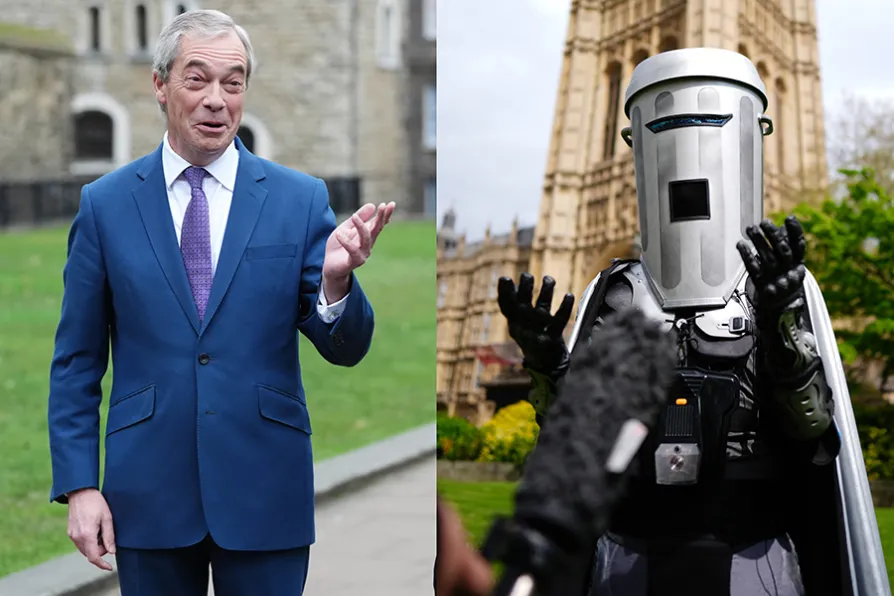
The Bard contributes to the campaign of Count Binface, and applauds Burnham’s plans for vocational training
In verse and polemic, the bard points out that he is a poet and musician, not a political party

RUTH AYLETT recommends that this mixture of memoir, diary and poetry by a young Gazan writer be read as widely as possible
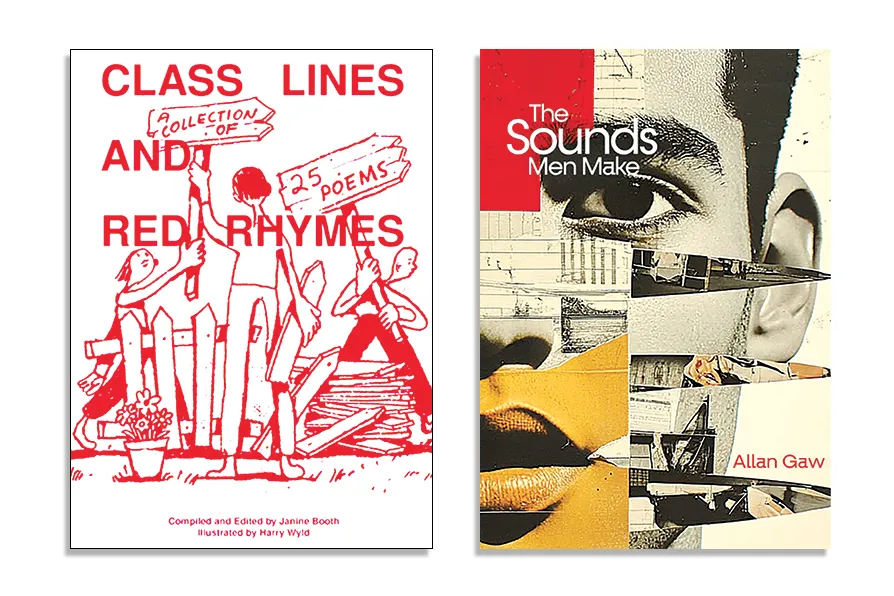
RUTH AYLETT reviews two collections of outright political poetry