WILL STONE samples the 20th anniversary atmosphere of this eclectic end-of-season indie festival


 Latest editorial
How Cuba organises culture
MIGUEL YOSHIDA explains the evolution and influence of the Cuban Casa De Las Americas in joining culture to the revolutionary struggle
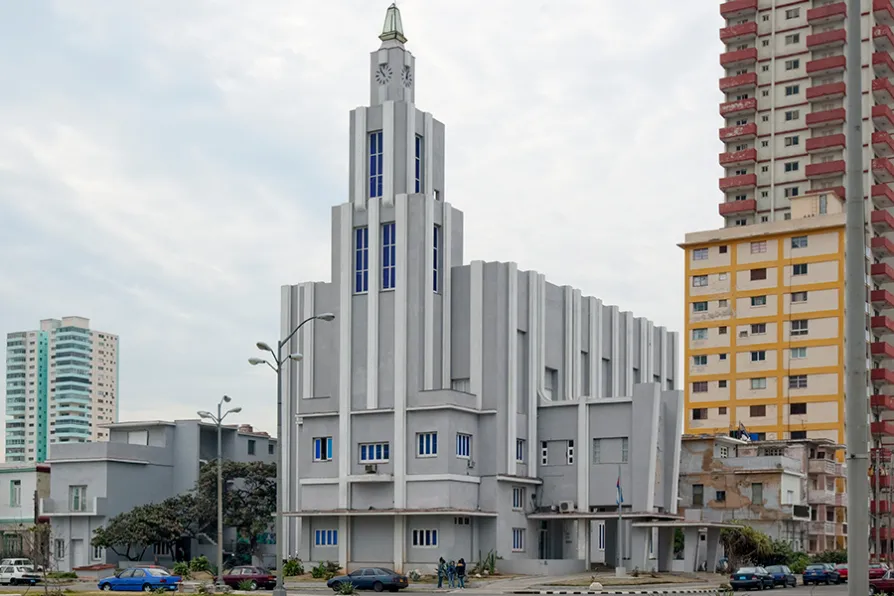 Casa de las Americas, Havana [Pic: Carol M. Highsmith/CC]

Comics are not just superheroes and spandex – it can be public art, telling public stories, suggests HARRIET EARLE
The bard serenades the Diggers of Wigan and their festive followers
ALEXEI SAYLE speaks to Angus Reid about a lifetime of protest, how to hone political art – and what to do now
ANDY HEDGECOCK, JAMES WALSH, LEO BOIX and MARIA DUARTE review Just An Illusion, Everybody Digs Bill Evans, Blue Film, Oasis: Don’t Look Back in Anger, and Runner
MARIA DUARTE recommends a nerve-wracking reconstruction of the 72 hours before the Normandy landings





WHILE imperialist offensives weaponise culture to neutralise resistance, a radical truth remains: art, literature, and imagination are never separate from political struggle, but a necessary form of collective defiance in building a new society.
In Latin America, the paths of people’s struggles and the development of their cultures have always been intertwined.
Jose Marti, one of the leading figures in Cuba’s struggle for independence, gave this resistance one of its most powerful expressions in Nuestra America (Our America), his 1891 essay on the political and cultural unity of the continent.
For Marti, Nuestra America named not only a geography — the vast territory stretching “from the Rio Grande to the Strait of Magellan” — but a civilisational project rooted in the histories, cultures, and struggles of the continent’s peoples. This was the anti-imperialist force of Marti’s reflection: Latin America could only free itself by knowing itself, by recognising the Indigenous, African, peasant, and popular roots that colonialism and sections of the intelligentsia had treated with contempt.
As Marti wrote in Nuestra America: “Solving a problem in full knowledge of its elements is easier than solving it without knowing them… To know is to solve. To know the country and govern it in accordance with that knowledge is the only way to free it from tyranny.”
Throughout its history, Latin American literature has been one of the principal means through which that self-knowledge has been produced. Through poetry, novels, essays, and song, the continent’s peoples have represented their realities not as abstractions but through lived experience.
The Cuban Revolution of 1959 ruptured the island’s subordination to the US and opened a process of socialist transformation that sought to remake economic, political, and cultural life, offering hope to peoples in struggle across the region.
In the first year of the revolution, the revolutionary government created numerous cultural institutions, including the National Theatre, the Cuban Institute of Cinematographic Art and Industry (ICAIC), and Casa de las Americas. Directed by Haydee Santamaria, Casa de las Americas became an indispensable reference point for thinking about culture, art, and literature in Latin America, and the Casa de las Americas Prize is one of the oldest and most prestigious prizes in Latin American literature.
Alongside the creation of these institutions, Fidel Castro’s 1961 speech “Palabras a los intelectuales” (Words to the Intellectuals) outlined the foundations of the revolution’s cultural policy. Initiatives such as the Conrado Benitez brigades, which were central to Cuba’s literacy campaign, and the free distribution of millions of copies of classical literature, formed part of this wider effort to make culture a right of the people. Notably, the first book published and distributed by the revolution was Miguel de Cervantes’s Don Quixote.
The Uruguayan writer Mario Benedetti (1920–2009) played a key role in deepening Casa’s political and cultural work, helping to establish literature as a terrain of resistance across Latin America. His own literary and political development, like that of many Latin American writers in the second half of the 20th century, was also closely linked to Casa de las Americas.
Image
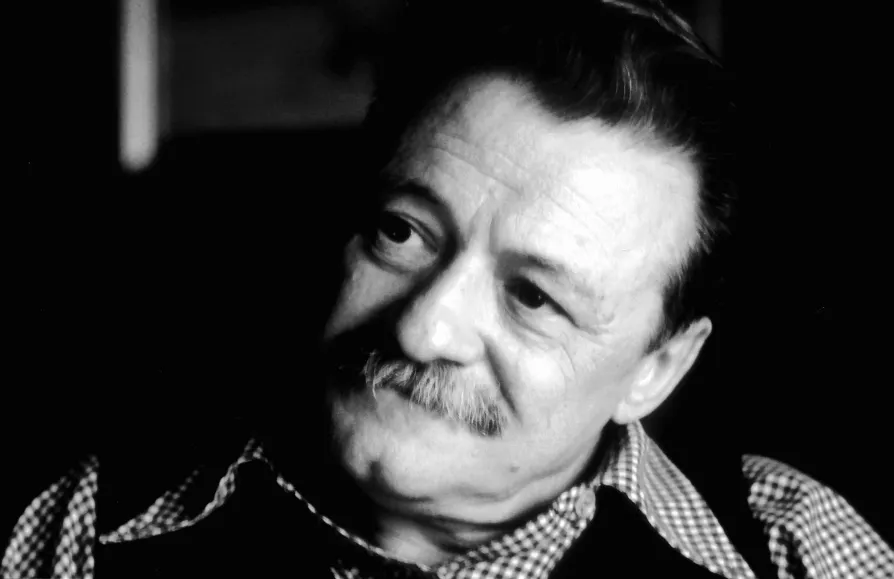
Benedetti argued:
“If the duty of every revolutionary is to make the revolution, the duty of every writer, as such, is to make literature… literature, among other functions, expands the horizons of human beings. To the extent that the people can grasp the meanings — whether ultimate or intermediate — of great works of fiction, they come closer to our struggle, and even more so if they are capable of analysing the alienation imposed upon them by the enemy. For this reason, we see no need to impose on militant writers a narrow thematic or generic line.”
He insisted that culture is not a luxury but a right: “The artist who defends their right to dream, to create beauty, to create imagination, with the same determination and conviction with which they defend their right to eat, to have a roof, and to care for their health — that artist will be the only one capable of demonstrating that their work is not a luxury but a necessity, not only for themselves but also for others.”
His poetry, like much of his writing, is marked above all by an ethic of proximity and solidarity, as seen in one of his haiku:
the closest
of all borders
is with my neighbour
Revolutionary culture could not be treated as secondary to political struggle. Art, literature, and imagination were part of what made it possible for people to interpret their conditions, defend their dignity, and struggle for a new society.
Mario Benedetti’s legacy — both as a writer and a militant — is essential for understanding how intellectuals can act not only as cultural workers but also as organisers within revolutionary processes. Casa de las Americas continues to be one of the most important cultural institutions in Nuestra America, promoting artistic production rooted in the experiences of our peoples and keeping alive the conviction that culture is not separate from political struggle but one of its necessary forms.
At a time when the United States intensifies its attempts to suffocate Cuba through blockade, sanctions, and isolation, solidarity from people’s organisations is essential to keeping the flame of the Cuban Revolution alive so that present and future generations may continue the struggle.
Miguel Yoshida is a member of Tricontinental: Institute for Social Research and editor at Expressao Popular, Brazil.
This is an abridged version of an article republished from Tricontinental.org

Similar stories
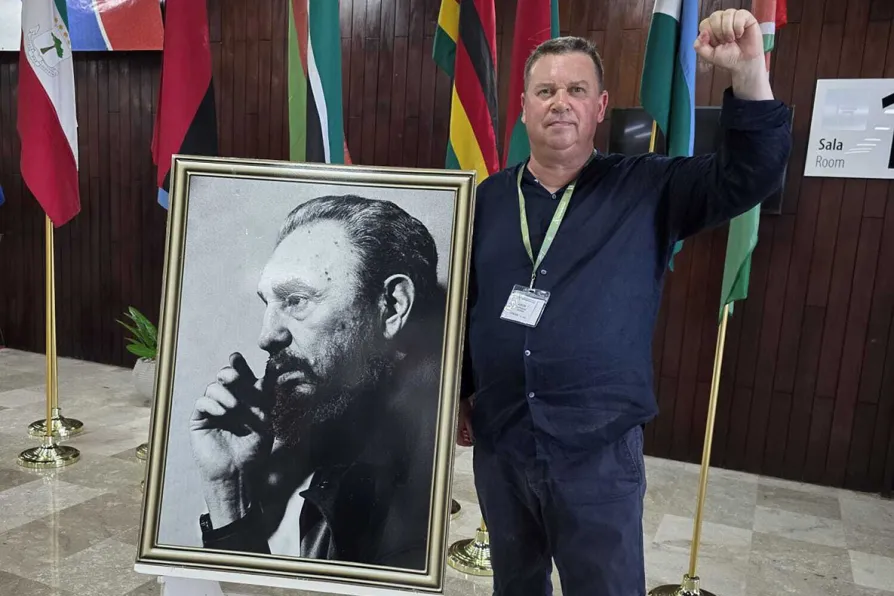
ALEX GORDON and LORRAINE DOUGLAS report from Havana, Cuba, where they represented the Communist Party of Britain at the 24th International Meeting of Communist and Workers’ Parties on August 7-8
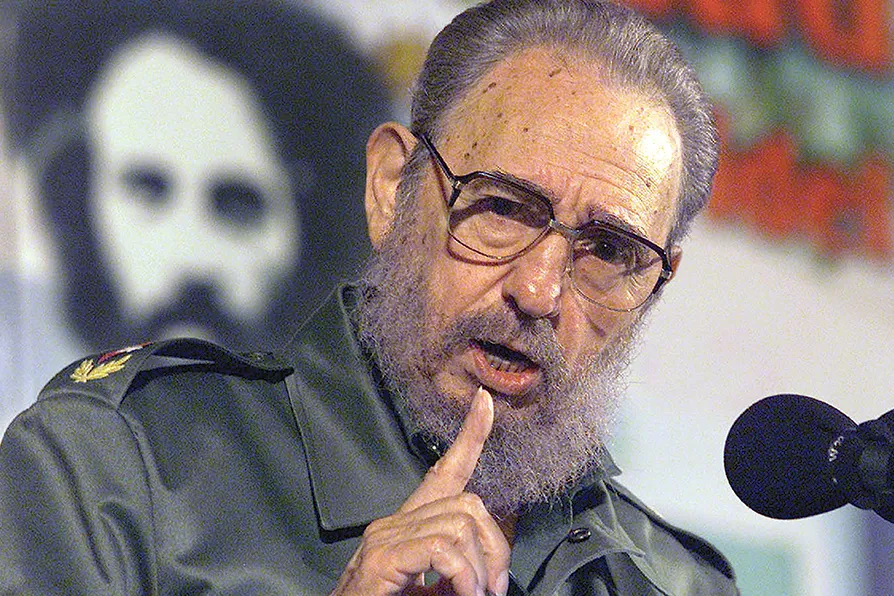
DR STEPHEN WILKINSON assesses the life and legacy of a revolutionary giant
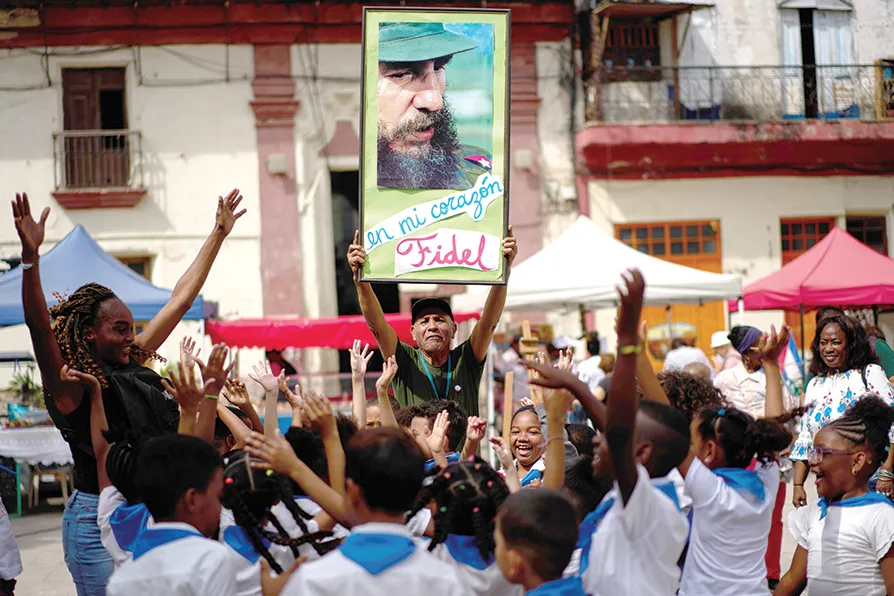
As the US intensifies its economic and political pressure it is now vitally important to demand the British government intervene to end US aggression, writes GEOFF BOTTOMS
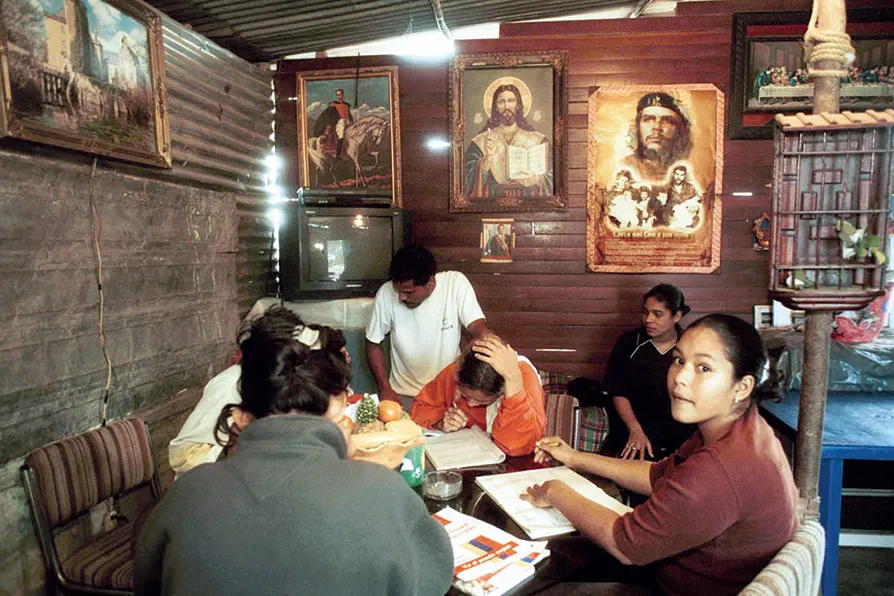
ISAAC SANEY points to the global stakes involved in defending the Cuban revolution against imperialism and calls for resistance