Latest editorial
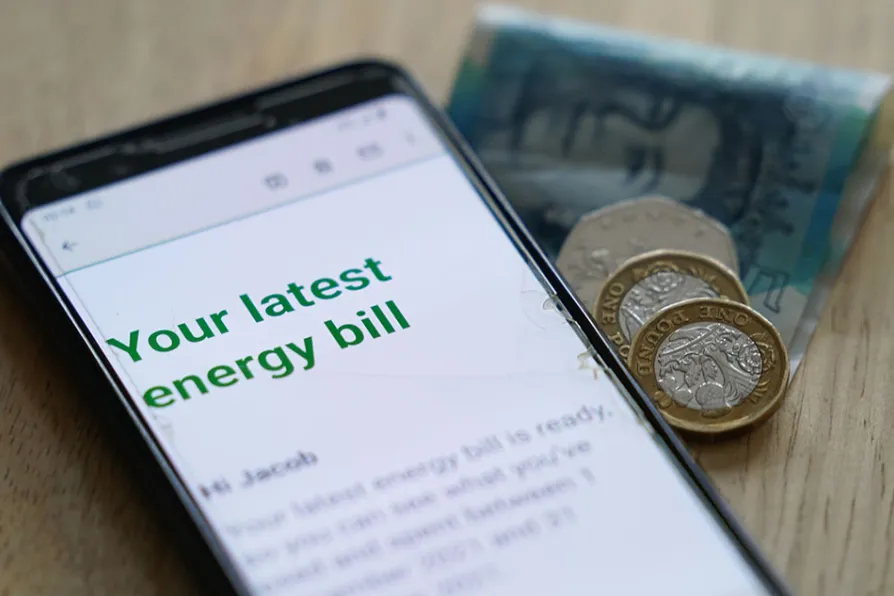






US PRESIDENT Donald Trump and Israeli Prime Minister Benjamin Netanyahu’s illegal adventurism in the Middle East is costing Scottish households £25 million a week, according to a leading climate think tank.
Energy & Climate Intelligence Unit (ECIU) analysis has found that the US and Israel’s attacks on Iran have so far cost households almost £230m as oil and gas prices soared.
Over half the household figure is made up of hikes in transport costs, while the rising costs of domestic fuel have cost the average household £90 since the crisis began — amounting to a staggering £25m-a-week domestic bill for US and Israeli banditry.
ECIU senior consultant Laura Anderson warned: “The conflict in Iran has once again exposed how vulnerable Scotland remains to volatility in international oil and gas markets.
“While households are hit by higher petrol prices now and higher energy bills to come, Scottish businesses, manufacturers and public services are currently carrying the biggest burden, with gas driving up their costs and making them less competitive.
“These costs are effectively a fossil-fuel price shock being imported into the Scottish economy.”
ECIU estimates that the attacks have also cost business and industry as much as £290m, with £170m of that coming from increasing road transport costs for petrol and diesel alone.
It warned that little relief is in sight amid a crumbling ceasefire that has seen oil prices climb to a four-month high of over $90 (£67) a barrel and decimated oil and gas infrastructure across the Middle East.
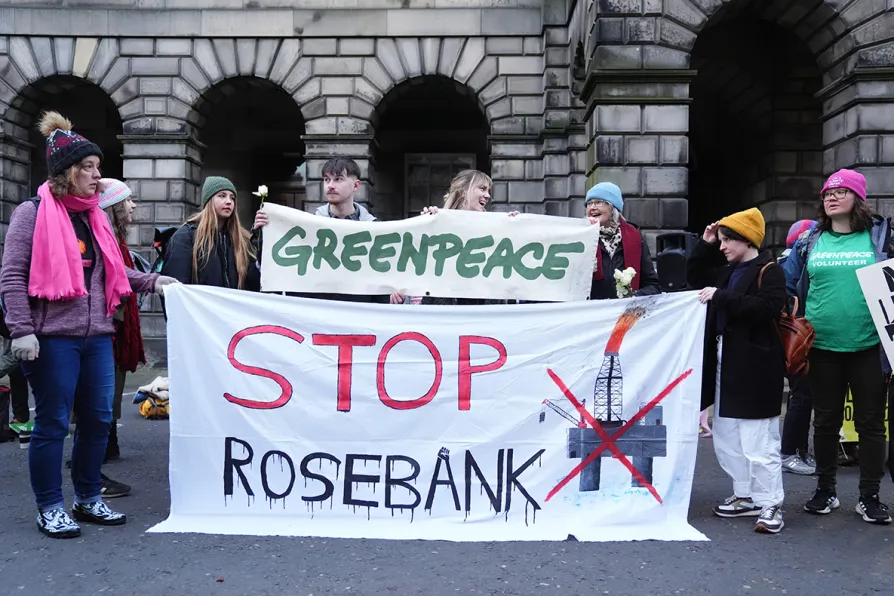
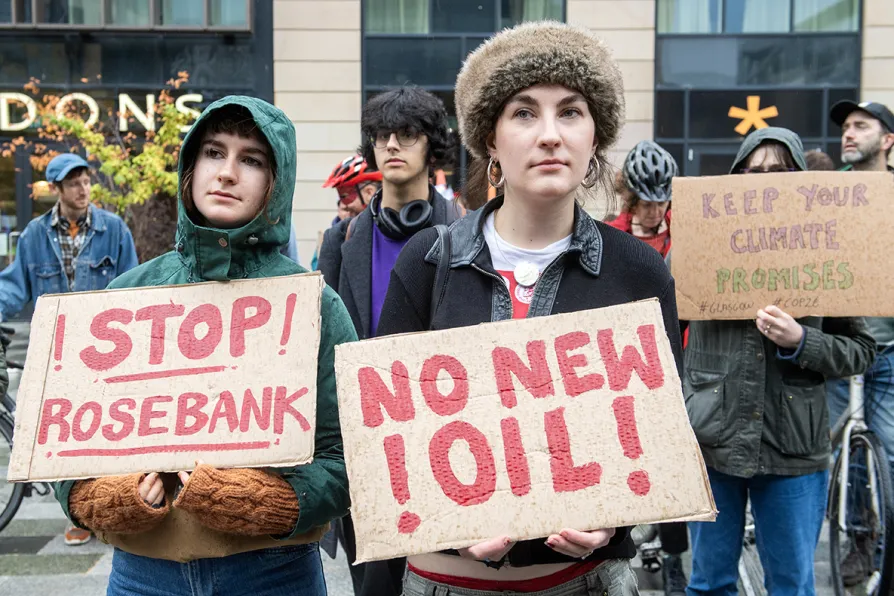
A fortnight before the government consultation on granting licences to allow the 300-million-barrel Rosebank and 250-million-barrel Jackdaw oil and gas fields, Ms Anderson made clear that they were not the answer to soaring energy costs.
Urging Prime Minister Andy Burnham to stick to Labour 2024 manifesto pledge to block any new oil and gas licences in the North Sea, she said: “The new UK PM has already pledged energy-bill help to bail households out of some costs, but the only lasting protection from international oil and gas market turmoil caused by war thousands of miles away is to reduce dependence on fossil fuels altogether through electrification and British renewable power.”
A government spokesperson said: “We’ve cut VAT on electricity to give families breathing space. [Energy Secretary’s Miatta Fahnbulleh’s] focus is working to bring bills down for good.”


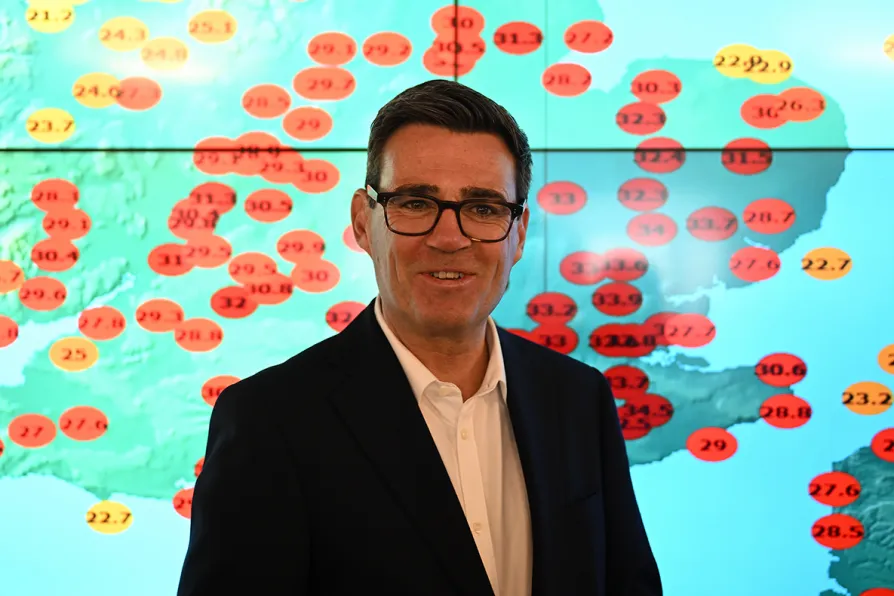
Burnham urged to stand up to the fossil fuel giants and reject plans to drill Britain’s largest untapped oil fields