Latest editorial

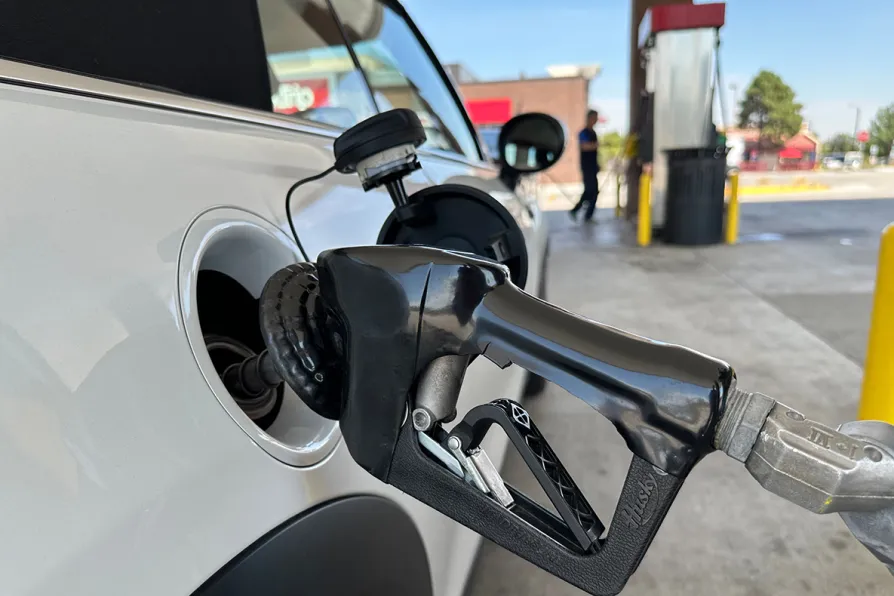 A motorist fills up their car at a petrol station in Colorado, August 12, 2026






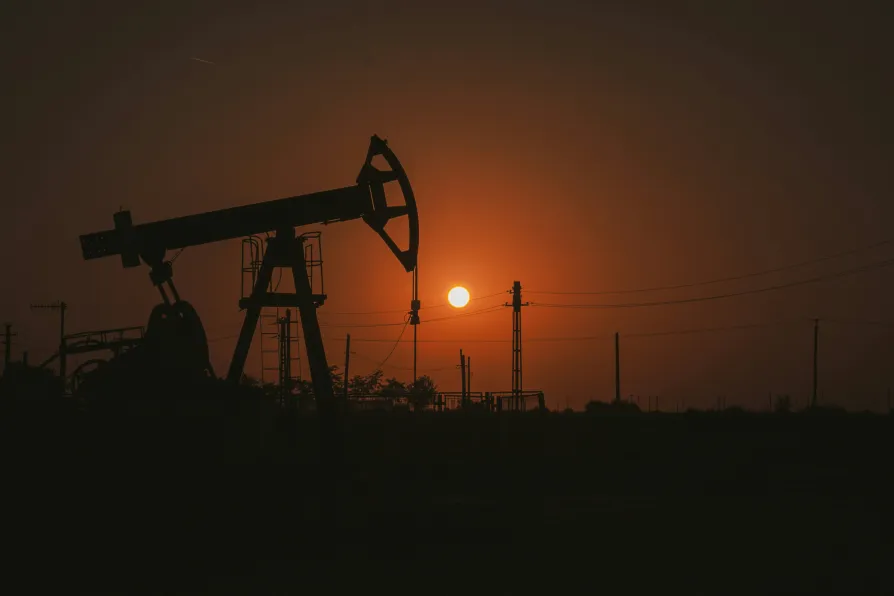
UNITED STATES oil reserves have sunk to a 40-year low, it was reported today.
They are so low that there could be damage to the massive caverns holding them.
CNBC is reporting that the US Strategic Petroleum Reserve (SPR) has fallen below 300 million barrels for the first time since it was filled in the early 1980s, after Washington released 172 million barrels in response to supply disruptions caused by the illegal war launched by the US and Israeli war on Iran on February 28.
Oil stocks are projected to fall to around 243 million barrels, prompting experts to warn that the rapid reduction could damage the underground salt caverns used to store the oil, reduce the reserve’s ability to respond to future energy emergencies, and leave critical infrastructure at increased operational risk, according to reports.
Energy experts told CNBC that while the US Department of Energy says the reserve can safely operate with as little as 70 million barrels, the practical operational floor is closer to 250–300 million barrels, warning that repeated large-scale releases over decades have weakened the ageing storage system.
They said the level of reduction risks slowing emergency oil releases, damaging pumping equipment, destabilising the storage caverns, and reducing the reserve’s long-term viability.
A Government Accountability Office report also warned that repeated drawdown-and-refill cycles have deformed caverns and left parts of the reserve unavailable.
The warnings arrive as drivers in the US face unprecedented petrol prices.
The average petrol price across the US today was $4.07 (around £3), the highest levels on record for mid-August.
The crude is held within 60 salt caverns thousands of feet below ground at four sites across Texas and Louisiana.
To extract crude, operators pump fresh water into the bottom of a cavern to force oil up to pipeline intakes.
But, petroleum engineering Professor Siddharth Misra of Texas A&M University told CNBC that “because the system was not designed for this many cycles, the repeated injection of water and extraction of oil have caused severe cavern deformation, accelerated the rate of massive salt falls from the ceilings, and significantly weakened the overall structural integrity of the aging reserve.”
In a statement, Energy Department spokesman Ben Dietderich said assertions regarding cavern collapse were false and that the Trump administration was “responsibly managing the SPR as the critical national security asset it was designed to be.”