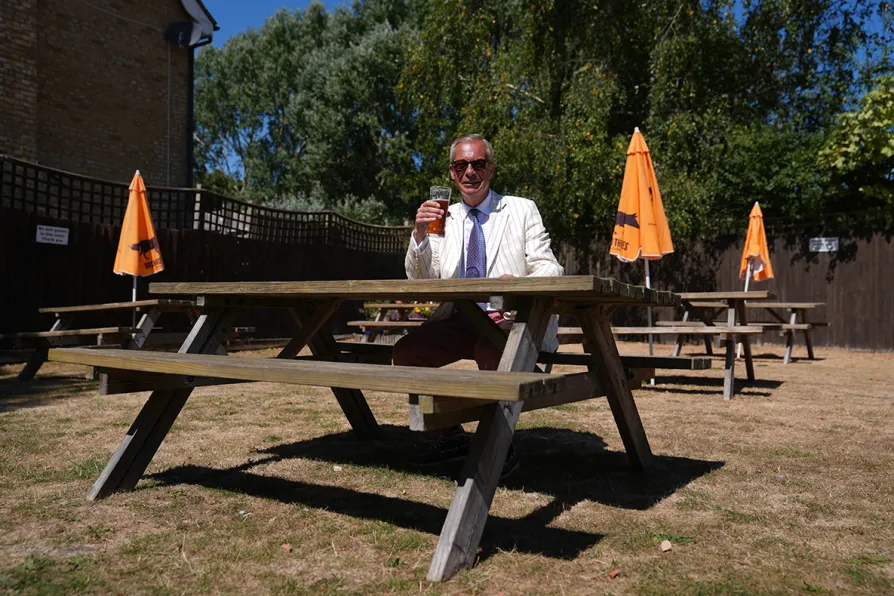
 Reform UK leader Nigel Farage drinks a pint on his own after voting this morning in the Clacton by-election, August 13, 2026
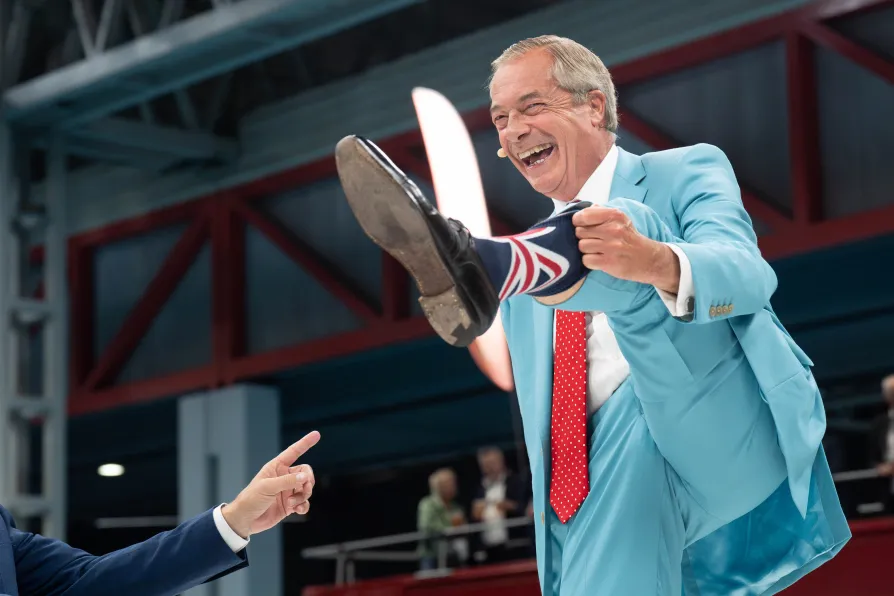





PETULANT, self-pitying and dishonest: Nigel Farage’s reaction to his victory in the Clacton by-election suggests his gamble has backfired on him.
He talks airily of his “resounding victory,” but avoided the count with a resentful sneer (he was not going to stand on a stage and be “humiliated by nobodies”) and an apparent untruth (that he was advised by Essex Police not to attend for his own safety, a claim the force appears to contradict). Reform also cancelled a planned speech by its leader in the town.
He forced this election, and now he wants no association with it. He used the voters of Clacton as a prop in a stunt designed to take the heat off over investigations into his murky finances, and cannot even be bothered to address them on the result. If he really believed this showed an “overwhelming” endorsement of him personally (as he says) he would be standing with the people who elected him and defying Westminster from some sort of victory rally, not scurrying away.
Farage’s sulk is linked to the gloomy knowledge that his re-election proves nothing and solves nothing, since he was not up against any serious candidates.
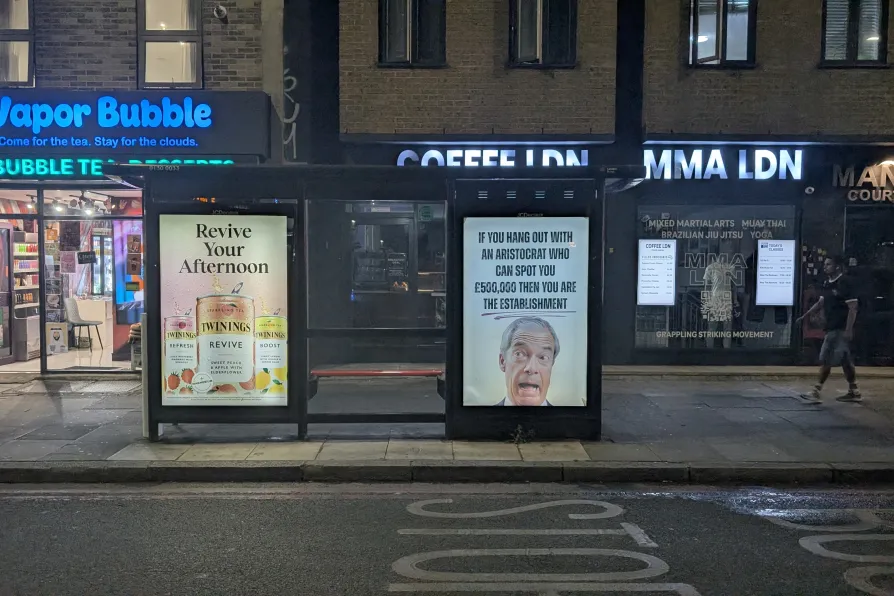
He returns to Parliament and its investigation into whether he should have declared the £5 million gifted him by Thai-based millionaire Christopher Harborne, while other probes rumble on into his receipt of hundreds of thousands of pounds linked to convicted fraudster George Cottrell and his mother. The stench of dodgy donors may cling to Farage from now on, and it seriously undermines his self-presentation as a man of the people taking on the Establishment.
So far so good. But it is also true that the Clacton by-election “proves nothing and solves nothing” for the socialist and anti-racist left.
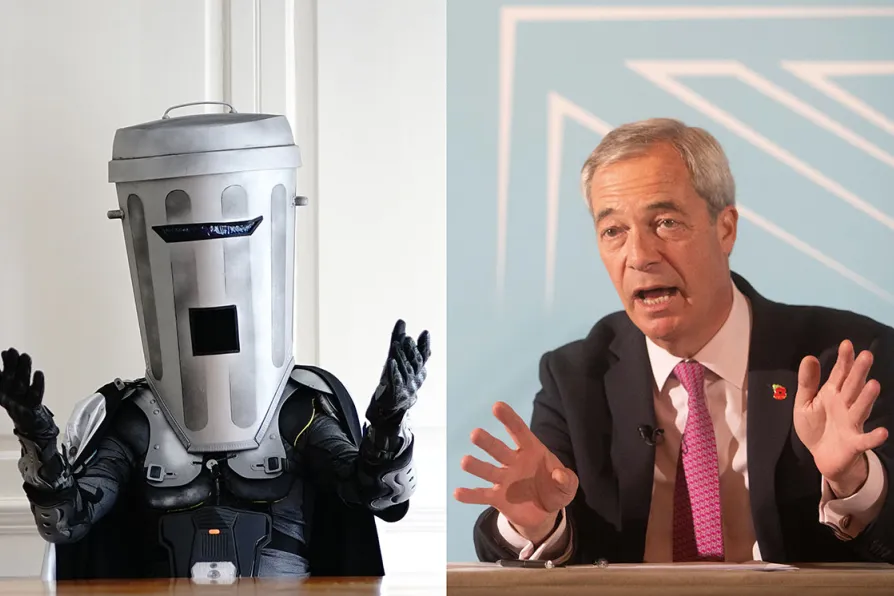
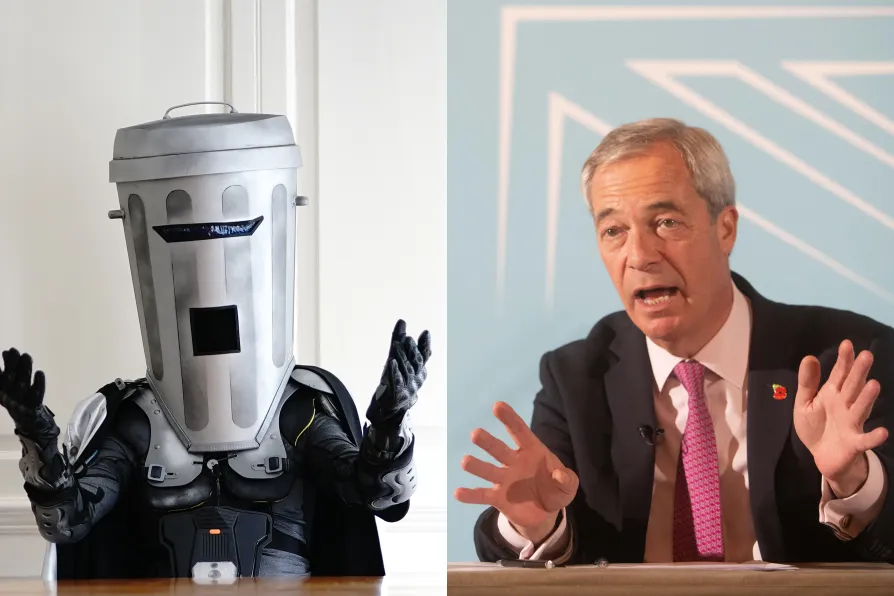
Yes, Count Binface winning nearly 10,000 votes is mildly embarrassing for Farage, but given the comedy candidate became the sole high-profile anti-Reform option it is not a huge surprise either.
Farage’s comfortable majority of 63 per cent was on a relatively high turnout for a by-election, and the number of votes cast for him was slightly higher than at the general election: there is no indication that support for Reform in the constituency has shrunk.
Nationally, while Reform has lost some ground in opinion polls and Labour has gained some since installing Andy Burnham as PM, the shifts are not dramatic and Burnham’s failure to match promises of change with serious policy shifts will begin to tell unless the labour movement can force the government in a more radical direction.
The Tories have also gained as Reform has retreated, and the two right-wing parties combined on current polling dwarf the Labour vote.
Most of what passes as political analysis in Establishment media focuses purely on electoral outcomes, and is likely to ponder the likelihood or not of a pact between the big right-wing parties.
That’s a potential threat, but the serious left needs to face deeper problems.
The scale of support for a political right whose main calling cards are xenophobia and racism — witness the Conservatives’ recent pledge to bar foreign nationals from council housing, the shortage of which is overwhelmingly their own party’s fault — is already having toxic political and social effects.
It sets the tone on all immigration debate, with Labour not showing any sign of retreating from Shabana Mahmood’s attacks on immigrant workers or refugees.
And it is normalising the racism we are increasingly seeing expressed in abuse and assaults, including on people at work doing their jobs, from retail to transport to the NHS.
So there is no room for complacency. The hard right has not been defeated in Clacton — in fact it was never even taken on.


Parliamentary probe into the Reform UK leader’s £5m gift from crypto-billionaire to resume